Bank of Korea Releases "Preliminary Balance of Payments for October 2025"
Exports Fall to 55.88 Billion Dollars, Marking a Decline After Two Months
Semiconductor Growth Continues, but One-off Ship Export Adjustments Impact Overall Figures
In October 2025, South Korea recorded a current account surplus of 6.81 billion dollars. While this marked the 30th consecutive month of surplus, the scale significantly decreased due to the Chuseok holiday period.
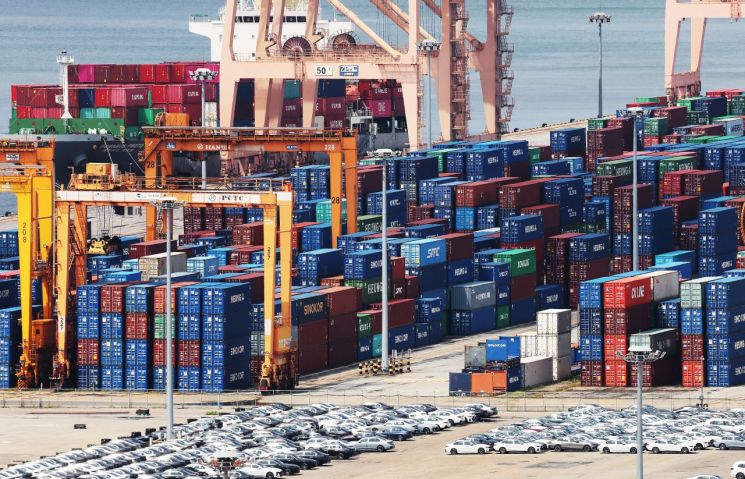
According to the "Preliminary Balance of Payments for October 2025" released by the Bank of Korea on December 5, South Korea posted a current account surplus of 6.81 billion dollars in October. This continued a surplus streak for 30 consecutive months since May 2023, making it the second longest such period since 2000. However, the surplus amount decreased compared to both the same period last year (9.4 billion dollars) and the previous month (13.47 billion dollars).
The goods account, which accounts for the largest portion of the current account, posted a surplus of 7.82 billion dollars. However, the surplus narrowed compared to both the same month last year (8.07 billion dollars) and the previous month (14.24 billion dollars). In addition to the effects of Chuseok, the surplus was reduced due to adjustments in ship exports.
Exports amounted to 55.88 billion dollars, a 4.7% decrease from the same period last year. This marked a return to decline after two months of growth. While IT items, led by semiconductors, continued to increase, non-IT items were affected by a one-off adjustment in ship exports and a reduction in the number of working days.
In October 2025, semiconductor exports based on customs clearance totaled 15.86 billion dollars, surging 25.6% year-on-year and driving the overall IT export growth rate to 12.0%. Exports of computer peripherals also increased by 3.5%, but wireless communication devices decreased by 8.7%. Non-IT items saw passenger car exports decline by 12.6% to 5.25 billion dollars, while steel products (-14.1%), chemical products (-13.1%), and machinery and precision instruments (-12.3%) also fell, resulting in a 1.3% overall decrease.
Imports stood at 48.06 billion dollars, down 5.0% from the same month last year. Despite a sharp increase in gold imports (834.4%) and a 9.9% rise in consumer goods, imports turned to a decline after two months, mainly due to fewer working days and falling energy import prices, with raw materials dropping by 6.4%.
In October, raw material imports based on customs clearance were 23.59 billion dollars, down 6.4% year-on-year. Imports of gas (-37.2%), coal (-18.6%), petroleum products (-13.1%), and chemical products (-7.6%) all decreased, while crude oil imports rose by 6.8%. Capital goods imports slightly decreased by 0.6% to 19.76 billion dollars, mainly due to declines in information and communication devices (-5.6%) and semiconductors (-1.6%). However, imports of transportation equipment (19.3%) and semiconductor manufacturing equipment (2.3%) increased. Consumer goods imports rose by 9.9% to 10.17 billion dollars, largely due to a sharp 834.4% increase in gold imports, which led to a 43.4% jump in durable consumer goods. In contrast, imports of non-durable consumer goods and direct consumer goods fell by 10.7% and 10.8%, respectively.
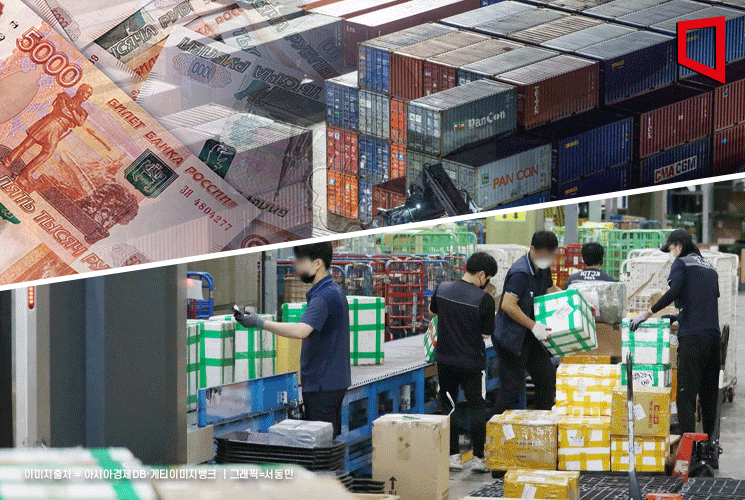
The services account recorded a deficit of 3.75 billion dollars, widening from the previous month's deficit of 3.32 billion dollars. The travel account deficit increased from 910 million dollars in the previous month to 1.36 billion dollars in October, as the number of outbound travelers rose during the Chuseok and other extended holidays. The surplus in telecommunications, computer, and information services narrowed to 150 million dollars, as payments for computer services, including software for semiconductor equipment, increased.
The primary income account posted a surplus of 2.94 billion dollars, mainly due to a 2.29 billion dollar surplus in dividend income.
Net external assets in the financial account, which is calculated by subtracting liabilities from assets, increased by 6.81 billion dollars, a smaller increase than the previous month's 12.9 billion dollars.
© The Asia Business Daily(www.asiae.co.kr). All rights reserved.
![Clutching a Stolen Dior Bag, Saying "I Hate Being Poor but Real"... The Grotesque Con of a "Human Knockoff" [Slate]](https://cwcontent.asiae.co.kr/asiaresize/183/2026021902243444107_1771435474.jpg)

















