Due to Inflationary Pressures and Fiscal Burdens
Governments Increase Issuance of Low-Interest Short-Term Bonds
Rising Risk of Surging Government Interest Expenses
Major economies such as the United States, Japan, and the United Kingdom have recently been increasing the issuance of short- and medium-term government bonds while reducing the issuance of long-term bonds. According to Bloomberg, the average maturity of global government bonds is now 8.9 years, the lowest level since 2014.
On December 5, Hana Securities published a report titled "Changes in the Issuance Trends of Government Bonds by Global Central Banks," analyzing that governments are shifting their bond issuance structures toward shorter maturities with relatively lower interest rates amid inflationary pressures and rising fiscal burdens. The report also noted a decrease in demand for long-term bonds from institutional investors such as pension funds, which has contributed to the reduction in long-term bond issuance.

United States Shifts Focus to Short-Term Bonds... MMFs and the Fed Serve as Buffers
The U.S. Treasury announced in its November Quarterly Refunding Announcement (QRA) that it will increase the issuance of short-term bonds starting in January next year. Since last year, the U.S. net interest expense has surged to surpass defense spending, and despite an increase in tariff revenues, these account for less than 4% of total government income, fueling ongoing concerns about the fiscal deficit. As a result, an expansion in short-term bond supply appears inevitable.
However, money market funds (MMFs), the Federal Reserve, and funds related to stablecoins-which are considered the main buyers of short-term bonds-are expected to act as buffers. MMFs already hold more than $7.5 trillion in assets and are projected to remain a stable source of funding even as interest rates decline.
Additionally, following the end of quantitative tightening (QT) on December 1, the Federal Reserve plans to reinvest proceeds from maturing mortgage-backed securities (MBS) and agency bonds into short-term government bonds. As a result, the average maturity of the Fed's holdings (currently 9 years) is likely to gradually approach the market-wide average maturity (6 years).
The expansion of stablecoin issuance could also lead to increased purchases of short-term bonds, which serve as their underlying assets. The U.S. Treasury Borrowing Advisory Committee (TBA) has estimated that stablecoin holdings of short-term government bonds could rise to $1 trillion by 2028, representing an increase of more than eightfold.

United Kingdom: Share of Long-Term Bonds Falls to Lowest Since 2007
The UK government also plans to significantly increase short-term bond issuance for the 2025-2026 fiscal year. The total issuance will rise by 4.6 billion pounds year-on-year to 303.7 billion pounds, with short-term bonds (under 7 years) up by 15.6 billion pounds and medium-term bonds (7-15 years) up by 12.4 billion pounds. In contrast, long-term bonds (over 15 years) will decrease by 1.1 billion pounds (with a 22.5 billion pound reduction in the unallocated portion to balance the total increase). Consequently, the share of short-term bonds will jump from 35% to 44%.
This shift is largely due to higher long-term interest rates caused by inflationary pressures and a decline in demand for long-term bonds resulting from changes in the pension system. According to the Office for Budget Responsibility (OBR), the share of government bonds held by pension funds is expected to plummet from 29.5% of GDP in 2024-2025 to just 10.9% by the early 2070s.

Japan: Shift Back to Higher Share of Short-Term Bonds After Three Years
The Japanese government, reflecting the supplementary budget of the Kishida Cabinet, increased its government bond issuance by 6.9 trillion yen this year. Most of this increase was allocated to short-term bonds (less than one year) and medium-term bonds with maturities of two to five years. In contrast, the issuance of long-term bonds (10 years or more) remained at previous levels.
As a result, the structure of Japanese government bond issuance has shifted from a focus on long-term bonds since 2020 to an emphasis on short- and medium-term bonds. The share of short-term bonds increased from 23.5% to 28.6%, medium-term bonds from 33.9% to 35.6%, while long-term bonds decreased from 33.6% to 30.6%. The current average remaining maturity of Japanese government bonds is about 9.4 years.
In addition to the burden of interest payments, declining demand is another reason for avoiding long-term bond issuance. Recently, Japanese banks and life insurers have shown reduced demand for ultra-long-term Japanese government bonds.
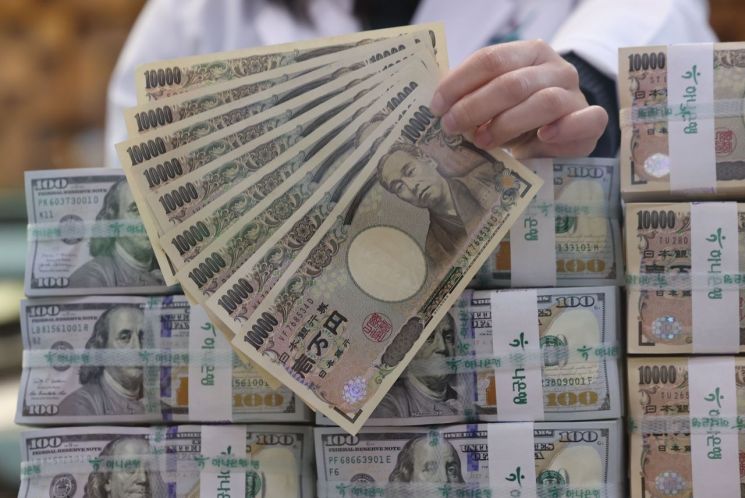
Short-Term Issuance Reduces Interest Costs, But Increases Refinancing Risk
While governments are expanding short-term bond issuance to ease immediate fiscal pressures, managing risks associated with greater interest rate volatility is emerging as a key challenge in the long term.
Huh Sungwoo, an analyst at Hana Securities, commented, "While the expansion of short-term bond issuance offers the advantage of reducing government interest expenses in the short term, it also entails increased refinancing risk. It is important to keep in mind that if market interest rates rise, the government's interest expenses could surge significantly when rolling over maturing debt."
© The Asia Business Daily(www.asiae.co.kr). All rights reserved.



















