54 Indicators Improved from Previous Year
ER Satisfaction Rate Ranks Second Nationwide
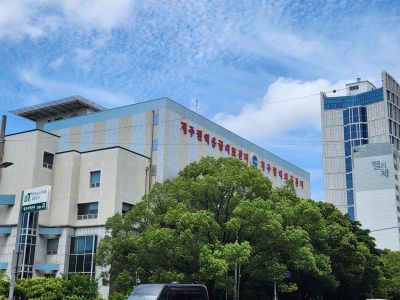
Despite challenges such as legislative conflicts last year, Jeju Special Self-Governing Province achieved notable results by establishing a region-centered emergency medical care system. Most indicators in the "2024 Regional Emergency Medical Capacity Index" either improved or increased.
The "Regional Emergency Medical Capacity Index" is an annual statistical report published by the National Emergency Medical Center of the National Medical Center. To assess emergency medical capacity by region and strengthen local emergency medical systems, the entire emergency care process is divided into four stages (pre-hospital, hospital, community, and disaster/infection), and 92 indicators are surveyed across these areas.
Jeju Province received higher scores than both the previous year and the national average in three of the four stages, excluding the disaster/infection stage, and its overall score also improved.
In this year’s survey, 54 indicators for Jeju showed improvement compared to the previous year, and 59 indicators were rated higher than the national average. Notably, Jeju ranked second nationwide in both the emergency room (ER) satisfaction rate and the timely ER arrival rate for the three major categories of acute severe emergency patients.
The ER satisfaction rate was 73.7%, a 42.8 percentage point increase from the previous year, significantly surpassing the national average of 66.5%.
Additionally, the proportion of patients from the three major acute severe emergency categories who arrived at the ER within the appropriate time for their condition was 58.6% (compared to the national average of 50.6%), and among them, the arrival rate for acute stroke patients was 61.4%, the highest in the country.
Along with the ER satisfaction rate, indicators such as the ER bed saturation index, in-hospital mortality rate for the three major categories of acute severe emergency patients, and the transfer rate of severe emergency patients within the region all improved compared to the previous year, exceeding national averages.
The intention rate to visit an emergency medical institution based on severity was 73.3%, higher than the national average of 71.8%, though it showed a slight decrease from the previous year. While the final proportion of severe cases among patients visiting regional and area emergency medical centers improved from the previous year, it remained below the national average. Therefore, Jeju is strengthening its campaign to promote the "Proper ER Utilization Culture" to encourage patients to visit emergency medical institutions according to the severity of their condition.
Jeju attributes the improvement in regional emergency medical capacity indicators to several initiatives: the early launch of the Jeju Emergency Medical Support Group, the establishment of a hotline between fire services and emergency medical institutions, the development of Jeju-specific transfer guidelines, the formation of a working-level emergency medical consultative body among related organizations, the creation of a Jeju-style on-call system for severe emergency conditions, and the introduction of a priority signal system for emergency vehicles.
In February last year, immediately after establishing the Emergency Medical Support Group, Jeju set up a hotline between fire services and emergency medical institutions to support the transfer and referral of severe emergency patients so they could receive appropriate treatment, aiming to eliminate the so-called "ER carousel" phenomenon.
Furthermore, by applying the priority signal system for emergency vehicles such as ambulances at all intersections, Jeju contributed to reducing emergency patient transfer times.
Jo Sangbeom, Director of Safety and Health for Jeju Province, stated, "These achievements are the result of Jeju’s efforts to overcome the geographical limitations of being an island and to establish a regionally integrated emergency medical system." He emphasized, "We will continue to maintain close cooperation with the province, fire services, and medical institutions so that residents can receive prompt and appropriate treatment for emergencies anywhere on the island."
© The Asia Business Daily(www.asiae.co.kr). All rights reserved.

















