Introducing the History of Korea-Japan Art Exchange from Liberation to the Contemporary Era
Exhibition of 160 Works by Nam June Paik, Lee Bul, Tanaka Koki, and Others
To commemorate the 60th anniversary of the normalization of diplomatic relations between Korea and Japan, an exhibition retracing the journey of art exchanges between the two countries over the past 80 years, from 1945 to the present, will be held.
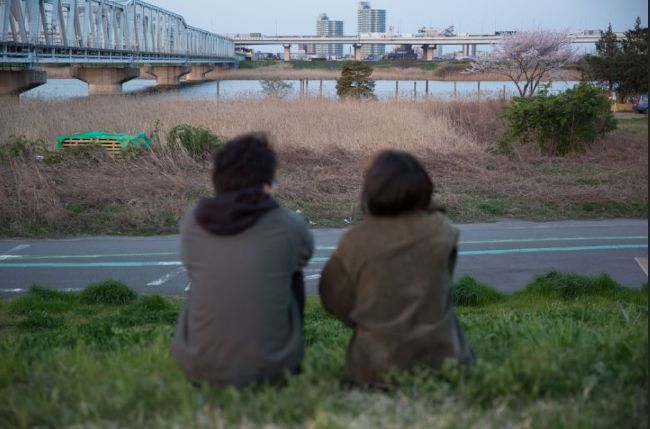 Goki Tanaka, Fragile Histories (2018). Courtesy of the National Museum of Modern and Contemporary Art
The National Museum of Modern and Contemporary Art announced on December 2 that it will co-host the exhibition "Road Movie: Korean and Japanese Art after 1945" with the Yokohama Museum of Art. The exhibition will take place at the Yokohama Museum of Art in Japan from December 6 of this year until March 22 of next year.
The exhibition historically examines the development of art exchanges between Korea and Japan from 1945 to today, featuring around 160 works by more than 50 artists (or artist teams) from both countries. It sheds light on how the art scenes of the two countries intersected against the backdrop of major historical turning points, such as Korea’s liberation and Japan’s defeat in 1945, and the normalization of diplomatic relations in 1965, which dramatically changed the global landscape.
Another key aspect of the exhibition is how contemporary artists have coexisted and influenced each other in different environments. Through a variety of works and materials, the exhibition introduces figures such as Nam June Paik, who actively interacted with Japanese artists even before the normalization of diplomatic relations in 1965, and Lee Ufan, who has served as a bridge between the art worlds of the two countries since normalization, highlighting how they helped shape the trends of their times.
The early 1990s study abroad experience of Japanese artist Masato Nakamura in Korea is also spotlighted as an important moment in Korea-Japan art exchange. During his studies, Nakamura interacted with young Korean artists of the time, such as Lee Bul and Choi Jeonghwa, engaging in artistic exchanges. He also invited his Tokyo University of the Arts classmate Takashi Murakami to Korea, and together they held the "Nakamura and Murakami Exhibition" (OZONE) in 1992. These experiences are considered to have had a significant impact on the direction and character of the exhibition.
Mika Kuraya, Director of the Yokohama Museum of Art, stated, "We are very proud to open a new chapter in the history of Korean and Japanese art together through this exhibition."
Kim Sunghee, Director of the National Museum of Modern and Contemporary Art, said, "This exhibition is an opportunity to look back on the historical moments experienced by the two countries and the traces of art exchange that were formed within them. We hope that through this exhibition, we can newly discover the significance and potential of contemporary art in Korea and Japan."
© The Asia Business Daily(www.asiae.co.kr). All rights reserved.

















