Publication of Research Book on Porcelain and Earthenware Kiln Sites in Jinjumok
Identification of Jinjumok's "Banryongjin" in Sacheon City
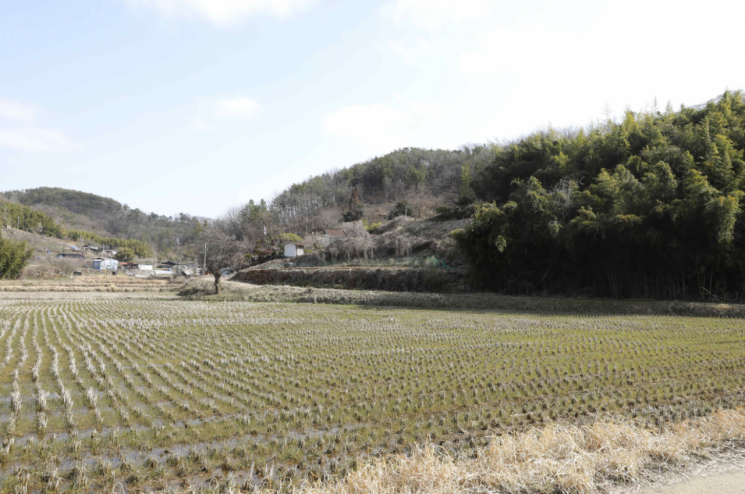
The actual location of the earthenware kiln site, previously recorded only in the "Geographical Appendix of the Annals of King Sejong," has been identified for the first time.
The National Naju Institute of Cultural Heritage announced on November 27 the publication of "Geographical Appendix of the Annals of King Sejong: Porcelain and Earthenware Kiln Sites - Jinjumok," which compiles the results of field research on porcelain and earthenware kiln sites in Jinjumok, Gyeongsang Province, from the early Joseon Dynasty.
The "Geographical Appendix of the Annals of King Sejong" contains detailed records of the locations and quality of porcelain and earthenware kiln sites by region. These kiln sites produced ceramics used by the royal court and government offices. During the early Joseon Dynasty, 139 porcelain kiln sites and 185 earthenware kiln sites were in operation nationwide.
The existence of porcelain kiln sites has been confirmed in some cases through the excavation of Buncheong ware kiln remains. In contrast, the existence of earthenware kiln sites in the Jinjumok area had not been clearly proven until this recent field investigation.
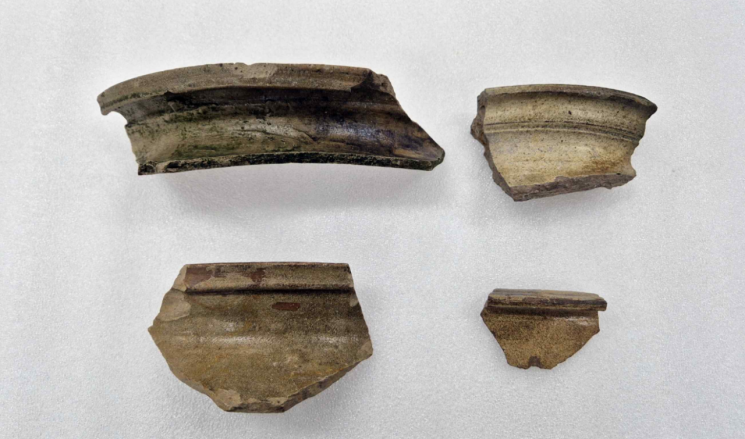
The newly identified earthenware kiln site is "Banryongjin," affiliated with Jinjumok and located in Banryong-ri, Chukdong-myeon, Sacheon City. Numerous earthenware fragments and kiln wall pieces were discovered at the site. The "Geographical Appendix of the Annals of King Sejong" records Banryongjin as specializing in the production of "Hwangong," which is presumed to refer to yellowish earthenware.
Since 2013, the institute has conducted research on ceramic production sites, focusing on Buncheong ware, a representative porcelain of the early Joseon Dynasty. To date, it has published four research reports, mainly covering the Honam region, and identified forty-one out of seventy porcelain and earthenware kiln sites in the area.
The published book is available for anyone to view on the National Research Institute of Cultural Heritage’s National Heritage Knowledge Sharing website.
© The Asia Business Daily(www.asiae.co.kr). All rights reserved.
![User Who Sold Erroneously Deposited Bitcoins to Repay Debt and Fund Entertainment... What Did the Supreme Court Decide in 2021? [Legal Issue Check]](https://cwcontent.asiae.co.kr/asiaresize/183/2026020910431234020_1770601391.png)