New H3N2 Subvariant of Influenza A Spreads Worldwide
ECDC: "Possible Antigenic Mismatch"
Experts: "Vaccination Still Essential"
Recently, a new subvariant of influenza A H3N2 has been driving the current flu outbreak, but there is a difference between the circulating variant and the virus targeted by the current vaccine. However, experts explained that vaccination remains an important preventive measure, citing its effectiveness in preventing severe illness.
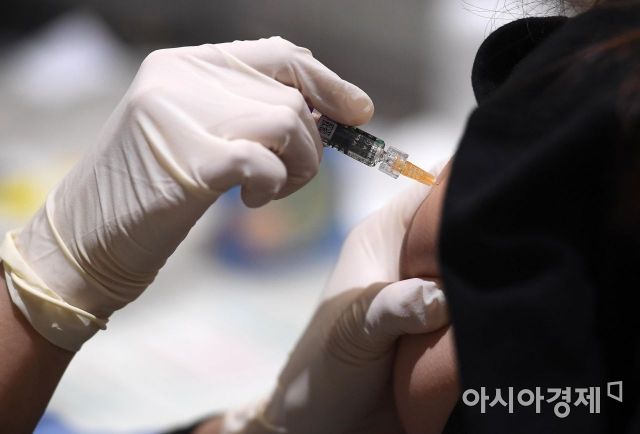
According to an analysis by the Korea Disease Control and Prevention Agency (KDCA) of domestic circulating viruses from November 1 to 8, the new subvariant 'K (subclade K)' of influenza A H3N2 accounted for 97.2% of cases.
During the 46th week of the year, from November 9 to 15, 66.3 out of every 1,000 outpatients who visited 300 sentinel medical institutions showed flu symptoms, which is about 14 times higher than the 4.6 cases per 1,000 recorded during the same period last year.
The K variant, which has recently spread worldwide, is being identified as a major factor driving flu outbreaks in many countries. Canada, Japan, and the United Kingdom have also seen a marked increase in cases. The United States Centers for Disease Control and Prevention (CDC) reported that, among about 150 recently registered H3N2 influenza samples, more than half were identified as the K variant.
The European Centre for Disease Prevention and Control (ECDC) also stated that the K variant is currently driving the increase in flu cases. According to the ECDC, an analysis of H3N2 sequences registered on the Global Initiative on Sharing All Influenza Data (GISAID) platform from May to November showed that about one-third of global cases and nearly half of those in the European Union (EU) and European Economic Area (EEA) were of the K variant.
The ECDC explained that, since H3N2 has not been the dominant circulating virus in recent years, the overall level of natural immunity in the population may have decreased.
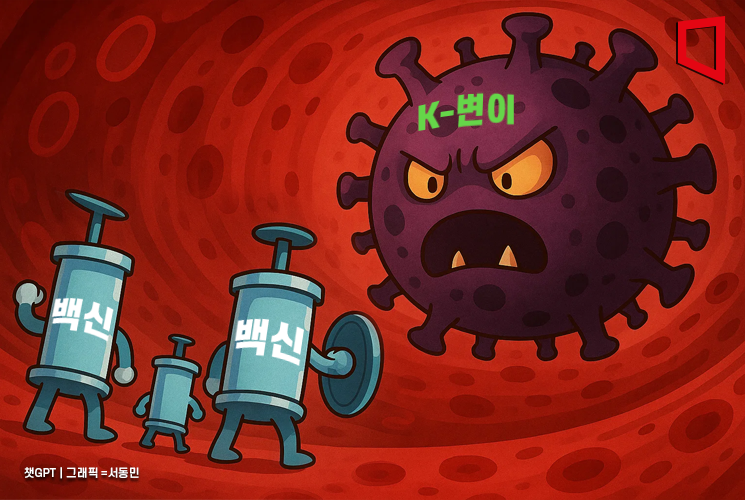
The main concern is that the newly spreading K variant does not perfectly match the currently used flu vaccines. The ECDC stated, "Genetic lineage analysis revealed that the K variant showed significant genetic differences from the H3N2 target virus included in the current Northern Hemisphere flu vaccine," and "Antigenic and serological analyses performed in vitro also suggested the possibility of an antigenic mismatch between the vaccine and the variant."
Experts emphasized that, even if there is a difference between the vaccine target and the circulating variant, flu vaccination remains an effective defense. Dr. Tara Narula, chief medical correspondent for ABC News and a cardiologist, said, "Vaccination is key," adding, "It is not too late. It takes about two weeks for antibodies to form, but vaccination helps reduce the risk of death."
There are also warnings that influenza should not be considered the same as the common cold. Influenza increases the risk of complications such as otitis media and sinusitis, can progress to pneumonia if treatment is delayed, and in severe cases, may lead to death. In particular, the K variant has been shown to cause more severe symptoms in the elderly and children. The CDC identified high-risk groups for influenza as including adults aged 65 and older, children under 5, immunocompromised individuals, pregnant women, and those with underlying conditions such as diabetes, heart disease, or lung disease.
© The Asia Business Daily(www.asiae.co.kr). All rights reserved.
![Clutching a Stolen Dior Bag, Saying "I Hate Being Poor but Real"... The Grotesque Con of a "Human Knockoff" [Slate]](https://cwcontent.asiae.co.kr/asiaresize/183/2026021902243444107_1771435474.jpg)

















