Sharp Rise in Non-Homeowning Households Among Seoul Residents in Their 30s; Homeownership Rate Falls to 25%
Soaring Housing Prices and Stricter Lending Regulations Raise Barriers to Homeownership for Young People
Last year, the homeownership rate among households in their 30s living in Seoul fell to its lowest level since related statistics began to be compiled. The number of non-homeowning households reached an all-time high, while the number of homeowners in their 30s continued to decline for the third consecutive year, resulting in a widening gap.
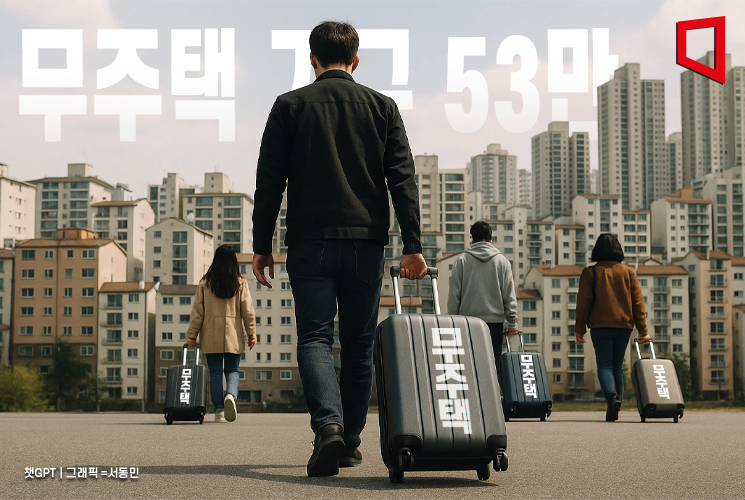
According to the Housing Ownership Statistics released on the 24th by the National Data Agency (formerly Statistics Korea), there were 527,729 non-homeowning households in Seoul headed by someone in their 30s last year. This represents an increase of 17,215 households compared to the previous year, marking the largest number since statistics began in 2015.
The number of non-homeowning households in their 30s in Seoul decreased from 475,606 in 2015 to 456,461 in 2018, but has been on the rise for six consecutive years since 2019. Notably, in both 2023 and last year, the increase exceeded 17,000 households, reaching record highs.
In contrast, the number of households in their 30s who own homes in Seoul has declined for three consecutive years. Last year, there were 183,456 such households, a decrease of 7,893 from the previous year, also marking a record low. The number of non-homeowning households was 2.9 times higher than that of homeowners, the largest gap ever recorded.
The homeownership rate among people in their 30s in Seoul steadily declined from 33.3% in 2015 to 25.8% last year. Although there was a slight rebound in 2021 (31.2%), it dropped again to 20.3% in 2022 and has not recovered since.
Soaring Home Prices and Loan Regulations: Homeownership Becomes More Distant for Young Adults
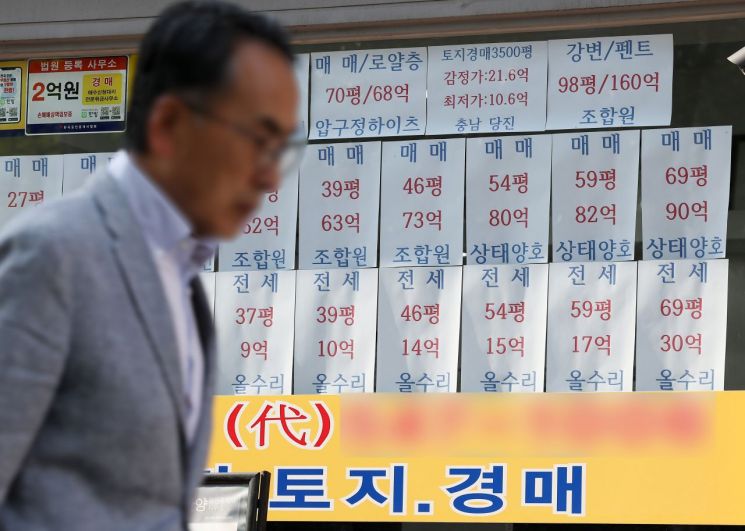
The nationwide homeownership rate for people in their 30s (36.0%) has also declined for six consecutive years, but there is still a gap of more than 10 percentage points compared to Seoul. Experts analyzed that the concentration of population in Seoul and the sharp rise in housing prices have made it even more difficult for young adults to enter the housing market.
Additionally, structural factors such as delayed marriage and employment, as well as an increase in single-person households, are believed to have contributed to the decline in the homeownership rate. An official from the National Data Agency explained, "The proportion of single-person households is high in Seoul, which results in a relatively lower homeownership rate."
On top of this, the government's stringent real estate and loan regulations appear to have added to the burden. As lending standards have tightened, such as through reduced loan-to-value (LTV) ratios, dissatisfaction among young people is growing, with many saying, "Only those with cash can buy a home."
Meanwhile, a survey conducted by the Korea Land and Housing Institute of 700 non-homeowning single-person households aged 19 to 39 found that 83.2% of respondents said that owning a home is necessary. The most frequently cited policy needs were support for home purchase funds (24.3%) and support for jeonse rental deposits (22.3%), followed by the supply of public rental housing (18.6%) and public housing sales (14.4%).
© The Asia Business Daily(www.asiae.co.kr). All rights reserved.


















