Court: "Weekly Hours Likely Exceeded 52"
Work-Illness Link Recognized Even Without Overtime
A worker in his 60s, who repeatedly started work early, worked overtime, and even worked on public holidays before dying of a cerebral hemorrhage, has been recognized as having suffered a work-related injury through an administrative lawsuit.
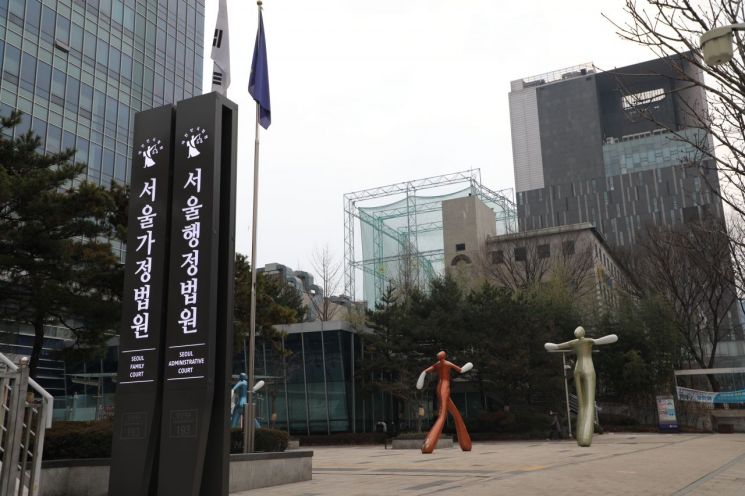
According to Yonhap News on the 23rd, the 13th Administrative Division of the Seoul Administrative Court (Presiding Judge Jin Hyunseop) ruled in favor of the plaintiff last September in a lawsuit filed by the family of Mr. A, who died while working at a garment processing company, seeking to overturn the decision by the Korea Workers' Compensation and Welfare Service to deny survivor benefits and funeral expenses.
Since 2020, Mr. A had been working at a garment processing company, performing tasks such as removing loose threads and attaching price tags. Around 6:30 a.m. in June 2023, he showed symptoms of paralysis in his arms and legs while at work and was taken to the emergency room, but died about a month later. The direct cause of death was intracerebral hemorrhage.
The family claimed that Mr. A’s death was a work-related injury caused by long working hours, frequent early starts, overtime, and working on public holidays, and requested survivor benefits and funeral expenses from the agency. However, the agency denied the claim in March last year, stating that there was no recognized causal relationship between the illness and work. The reason cited was that Mr. A’s average weekly working hours in the 12 weeks prior to the onset did not exceed 52 hours. The family appealed the decision, but when their request was rejected, they filed an administrative lawsuit. The family argued that the agency had underestimated Mr. A’s working hours by relying solely on materials submitted by the employer.
The court acknowledged the family’s claims, stating, “The deceased not only worked six days a week, but also frequently started work before 8:30 a.m. or repeatedly worked overtime.”
It was accepted as evidence that Mr. A had told his spouse during his lifetime, “I am so busy that I have to go to work even on Sundays,” and “I go to work around 6 or 7 a.m.”
The court also considered that Mr. A had phone calls with the company manager in the early morning, late at night, and even on holidays, and determined that “it is reasonable to conclude that the average weekly working hours in the 12 weeks before the onset exceeded 52 hours.” The court added, “Even if the weekly working hours did not exceed 52 hours, when considering factors that increased the work burden, this case falls under circumstances where the correlation between work and illness is heightened.” The court further noted that Mr. A had never received treatment for cerebrovascular disease prior to his death, nor did he suffer from other underlying conditions, making it reasonable to conclude that overwork or stress from work contributed to the onset of his illness.
© The Asia Business Daily(www.asiae.co.kr). All rights reserved.

















