Refused Due to Lack of Pediatric Neurology Specialists
Recently in Busan, a high school student who was unable to find an emergency room eventually passed away, sparking various opinions regarding the circumstances of the transfer at the time.
According to Yonhap News on November 19, at around 6:17 a.m. on October 20, a citizen urgently called 119 near a high school in Busan. The caller reported that a student had collapsed and was exhibiting severe seizure symptoms indicative of epilepsy.
The paramedics who responded classified the severity of the case as Level 2, “urgent,” out of five levels according to the Pre-KTAS triage system. Taking into account the student’s symptoms, they contacted hospitals with neurology departments. However, all four hospitals they reached refused admission. It was reported that the hospitals responded that it would be difficult to provide follow-up care related to pediatric neurology.
Ultimately, the paramedics requested the Emergency Medical Situation Management Center under the Busan Fire and Disaster Headquarters to find a hospital that could accept the patient. However, eight more hospitals they subsequently contacted also refused, mostly citing the lack of pediatric neurology specialists.
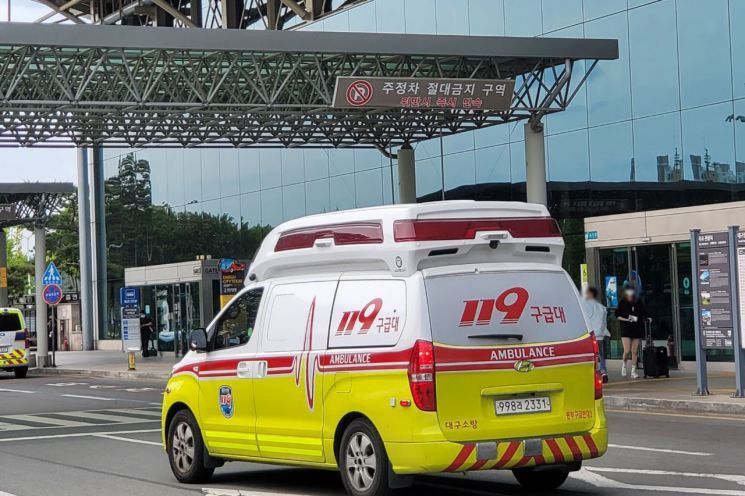
Nearly an hour passed inside the ambulance, and the student eventually went into cardiac arrest. The paramedics then upgraded the Pre-KTAS classification to Level 1, “resuscitation,” and at around 7:30 a.m., headed to Daedong Hospital, which was the nearest facility at the time. When a patient is in cardiac arrest, the nearest hospital is required to accept them.
Upon arrival at the hospital, the medical staff removed the student’s clothing and discovered a serious injury to the tailbone area. It was later found that the student had suffered a significant injury before being discovered by the citizen, but the trauma was not externally visible. Ultimately, the student died about an hour after the initial emergency call.
There are various opinions regarding why the deceased student was unable to receive timely emergency care. Some argue that it is important to examine whether the paramedics properly communicated the patient’s condition to the hospitals and whether emergency measures were taken promptly. The key point is what actions the paramedics took before the patient went into cardiac arrest, given that they did not detect the trauma.
Conversely, others claim that since it would have been difficult for the paramedics to detect trauma inside the ambulance, it was more important to transport the patient to the emergency room as quickly as possible. In this case, communication with the patient was difficult, and the severe seizure symptoms meant the trauma was only discovered after removing the patient’s clothing. This suggests that, given the challenges in accurately assessing the patient’s symptoms on site, it is crucial to prioritize transport to a hospital equipped with the necessary personnel and equipment. Additionally, there is criticism regarding why hospitals refused to accept the patient due to the lack of pediatric neurology specialists, even though the patient was a high school student.
A medical professional stated, “We need to hear the exact conversations exchanged between the fire authorities and the hospitals, but there could be various opinions regarding the reasons why the student was not treated in time,” adding, “It remains to be determined whether it was a mistake by the fire authorities for not properly checking for trauma, or an issue with the hospitals for refusing the patient simply because there was no pediatric neurologist, even though the patient was a high school student.”
© The Asia Business Daily(www.asiae.co.kr). All rights reserved.

















