The First International Tour Exhibition of the Lee Kun-hee Collection
National Museum of Asian Art, Washington, D.C., USA
172 Works Including 7 National Treasures and 15 Treasures, 297 Pieces in Total
The National Museum of Korea and the National Museum of Modern and Contemporary Art announced that the first overseas touring exhibition of the late Lee Kun-hee’s donated collection, titled "Korean Treasures: Collected, Cherished, Shared," will open on November 15 at the National Museum of Asian Art in Washington, D.C.
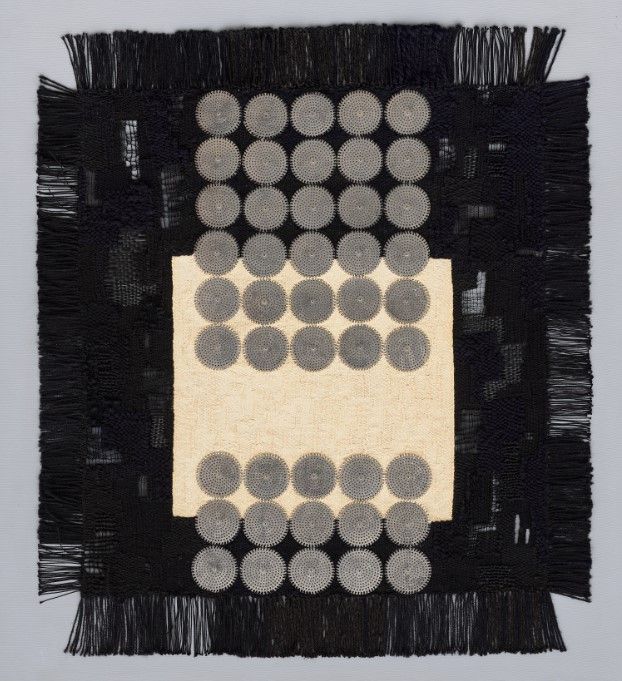
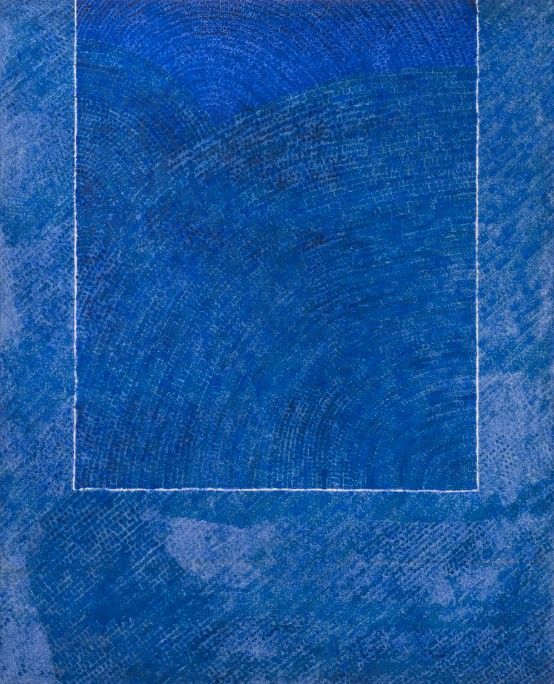 Kim Whanki 'Sanullim 19-II-73#307' (1973). Courtesy of the National Museum of Modern and Contemporary Art
This exhibition features 297 cultural heritage pieces from 172 works, including seven National Treasures and fifteen Treasures such as Jeong Seon’s "Inwangjesaekdo," held by the National Museum of Korea, as well as 24 modern and contemporary Korean artworks by artists such as Park Soo-keun and Kim Whanki from the National Museum of Modern and Contemporary Art. The National Museum of Asian Art postponed the exhibition’s opening once due to a temporary closure caused by the U.S. federal government’s shutdown, but with the government’s reopening on November 12 (local time), the special exhibition is now able to proceed.
The National Museum of Asian Art, a Smithsonian Institution, was established in 1923 when businessman and collector Charles Lang Freer donated his Asian art collection. It holds the distinction of being the first museum in the United States to exhibit Korean art.
An Invitation from a Collector, Extended to America
In April 2021, the family of the late Lee Kun-hee, former chairman of Samsung Group, donated approximately 21,000 pieces from his collection to the National Museum of Korea and around 1,000 pieces to the National Museum of Modern and Contemporary Art. Over the past four years, both institutions have made various efforts to honor this noble act of donation and to ensure that these invaluable cultural assets could be enjoyed by all. The National Museum of Korea published 14 catalogues by field (totaling over 3,000 pages) and made the entire collection’s information available on its e-museum platform, while the National Museum of Modern and Contemporary Art published a 900-page catalogue of the Lee Kun-hee Collection.
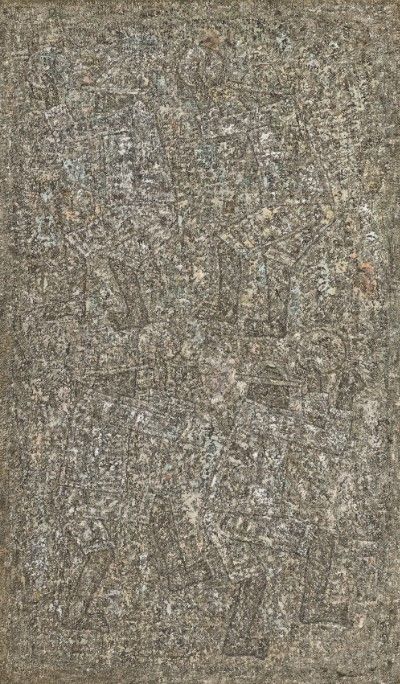
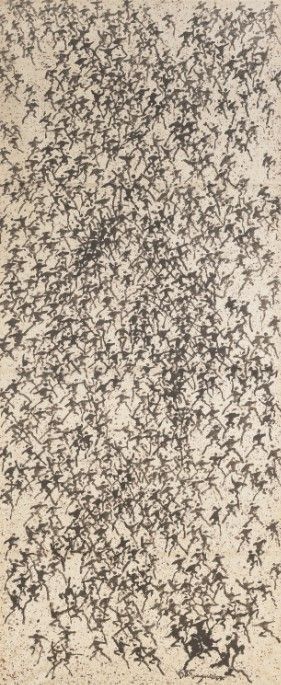 Eungno Lee's "Group" (1985). Courtesy of the National Museum of Modern and Contemporary Art
To allow more people to appreciate and enjoy the donated works, both museums launched the first introduction exhibition of the donations in 2021, and in 2022, held a special exhibition titled "An Invitation from a Collector" at the National Museum of Korea in Seoul. This exhibition attracted 250,000 visitors in Seoul and subsequently toured the Gwangju, Daegu, Cheongju, Jeju, and Chuncheon branches of the National Museum of Korea, exceeding a cumulative total of 1.16 million visitors. The first Lee Kun-hee Collection exhibition at the National Museum of Modern and Contemporary Art in Seoul in 2021 also drew 250,000 visitors despite the COVID-19 pandemic, and then traveled to ten cities including Gyeongnam, Busan, Ulsan, Gyeonggi, and Jeonnam, with a cumulative audience of 1.46 million (a total of 2.62 million visitors across both institutions). Thanks to this nationwide support, the newly curated exhibition is now touring major museums in the United States and the United Kingdom, reaching audiences around the world.
The Beginning of the Exhibition: Support Projects for Korean Galleries
This large-scale special exhibition of Korean culture, held at major museums in the United States and the United Kingdom that house Korean galleries, is the result of long-term collaboration through the National Museum of Korea’s "Support Projects for Korean Galleries" at key museums in these countries. Since discussions began in 2021, support agreements were signed with the Art Institute of Chicago in 2022 and the National Museum of Asian Art in 2023. After the exhibition at the National Museum of Asian Art concludes, the tour will continue at the Art Institute of Chicago in 2026 and the British Museum (which signed a support agreement in 2020).
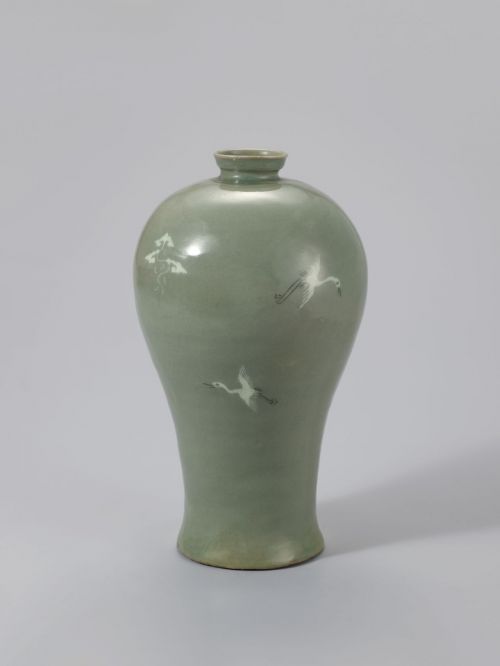 Celadon Inlaid with Cloud and Crane Pattern Maebyeong Vase. Provided by the National Museum of Korea
The deep partnership between the National Museum of Korea and Smithsonian museums began in 1961 with the loan of Korean gallery pieces to the National Museum of Natural History. This was followed by the 1981 "Five Thousand Years of Korean Art" exhibition at the National Museum of Natural History, the 1994 "18th Century Korean Art" exhibition at the National Museum of Asian Art, the 2011 renovation of the Korean gallery, the 2019 "Buddhist Sculpture of Korea" exhibition, and the 2022 "Korean Chimhae" exhibition, achieving continuous results. In addition, curators from the National Museum of Korea are dispatched to both the National Museum of Asian Art and the Art Institute of Chicago to ensure the exhibition’s quality and safe operation, working closely with local institutions.
Korean Treasures: A Broad and Deep Re-examination of Korean Culture
This exhibition showcases the creativity and innovation of Korean art spanning centuries, from the Three Kingdoms period to the 20th century.
It is organized into ten themes. Beginning with a look at Korean collecting culture through a Joseon Dynasty chaekgado (bookshelf painting) folding screen, the exhibition explores key topics in Korean cultural history as revealed by the diverse artworks collected.
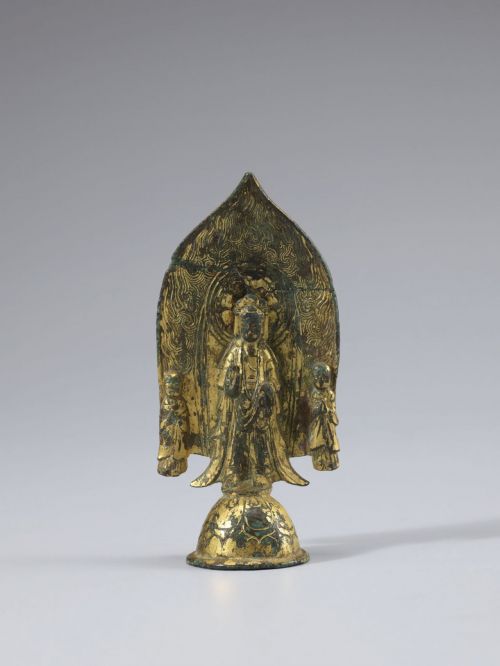
Books, paintings, furniture, and other collectibles that filled seowon (Confucian academies) and sarangbang (scholars’ studies) during the Joseon Dynasty provide insight into the lives and spiritual world of Confucian scholars, who valued restraint and humility. In contrast, the splendid royal art reflects the history, traditions, and Buddhist beliefs of the Joseon royal family. Buddhist art, including gilt-bronze Buddhas from the Three Kingdoms period, lavish Goryeo sutra manuscripts, and powerful Joseon Buddhist paintings, demonstrates the enduring vitality of Buddhism throughout Korean history.
In addition, a variety of ceramics-from Goryeo celadon to Joseon blue-and-white porcelain-illustrate the development of Korean ceramic technology, while paintings from the Joseon Dynasty to the modern era reveal the evolution and trends of Korean art. The exhibition concludes with a reinterpretation of the chaekgado folding screen, reflecting on Korea’s tradition of collecting.
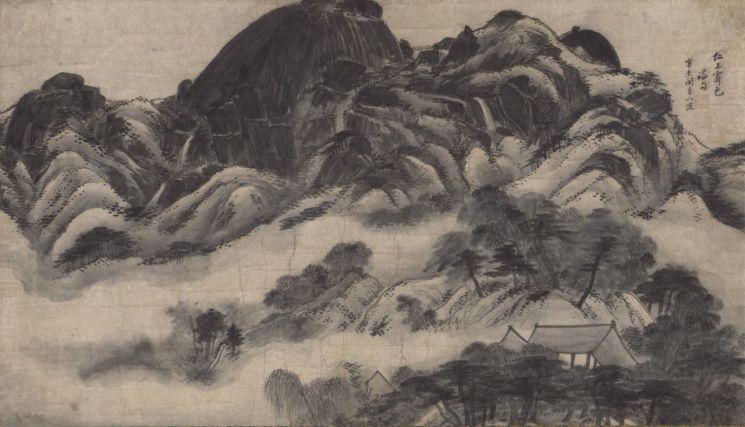
The 297 pieces from 172 works donated by the late Lee Kun-hee to the National Museum of Korea, which are featured in this exhibition, represent the cultural identity of Korea. Highlights include Jeong Seon’s "Inwangjesaekdo," a masterpiece of true-view landscape painting; "Chaekgado," which illustrates the collecting culture of Confucian scholars; Lee Myeonggi’s "Portrait of Jo Hangjin," depicting the inner spiritual world; and Kim Hongdo’s "Chuseongbudo," capturing the laws of nature. Also noteworthy are "Irwol-oakdo," which gained fame through "K-Pop Demon Hunters," and "Worinseokbo," which showcases the history, artistry of Hangul, and royal Buddhist faith. Buddhist art is represented by the Three Kingdoms period "Gilt-Bronze Standing Triad of Bodhisattvas," the Goryeo "Avatamsaka Sutra, Volume 15" written and painted in gold, and the Joseon "Sajiksa Jado" and "Beopgodae," which demonstrate Buddhist faith and rituals. Ceramics are represented by the Goryeo celadon "Inlaid Cloud and Crane Pattern Bowl," renowned for its inlay technique and jade color, the Joseon white porcelain bowl inscribed with "Heaven, Earth, Black, Yellow," and the "Blue-and-White Landscape Bottle," which harmonizes form and painting.
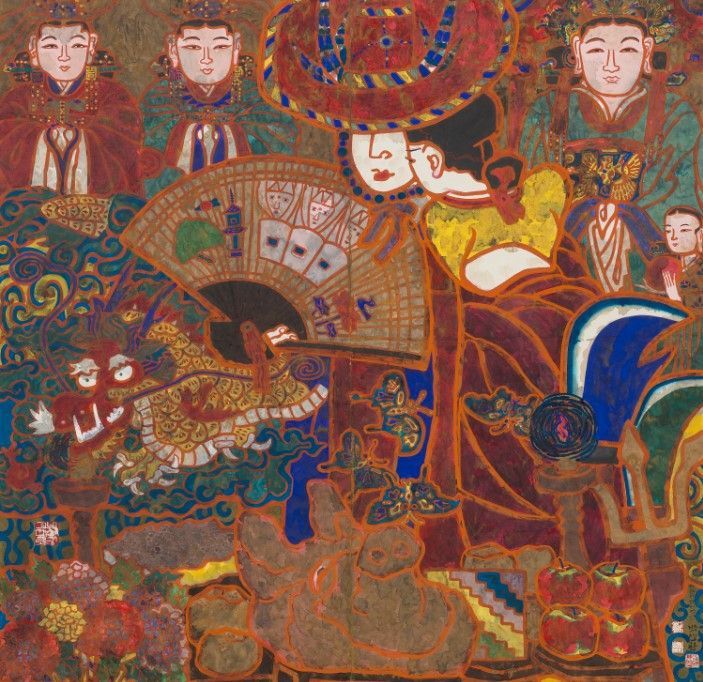
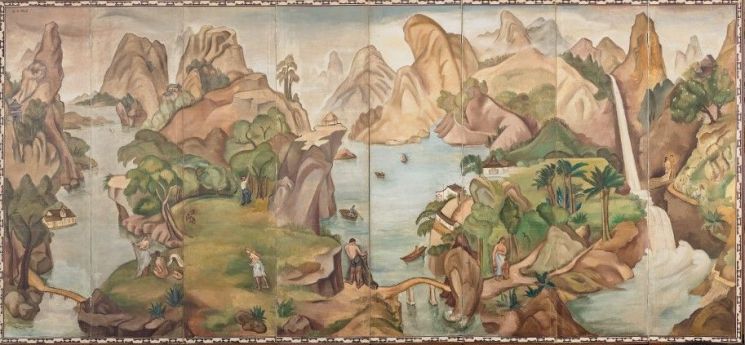
The Lee Kun-hee Collection at the National Museum of Modern and Contemporary Art also presents modern and contemporary masterpieces that reflect Korea’s tumultuous 20th-century history, transcending tradition. Carefully selected works demonstrate the innovation of traditional Korean painting, reinterpretation and creative fusion of Western painting and sculpture genres, and actively reinterpreted traditional forms, including works by women artists, offering a glimpse into the diverse layers of contemporary Korean art. The exhibition features 24 works, including Park Soo-keun’s "Nongak" (1960s), Lee Eungno’s "Composition" (1964), Kim Whanki’s "Sanullim" (1973), Namsoon Baek’s eight-panel folding screen "Paradise" (1936, 3.7 meters), Kim Byungki’s seven-panel series "Mountains" (1967, 6.4 meters), Lee Sangbeom’s "14 Scenic Views of Mount Geumgang" (1930s), Chae Yongshin’s "Portrait of an Old Lady" (1932), Byun Gwansik’s "Nine Dragons Waterfall at Mount Geumgang" (1960s), as well as works by Park Laehyun, Park Sangkwang, and Jeong Kwangho, which showcase experimentation with new media. These works reveal the intense process through which Korean culture and art in the 20th century sought a new visual language by combining Western influences with modern and contemporary experiences.
Following the 16 pieces from seven National Treasures such as Jeong Seon’s "Inwangjesaekdo," 26 pieces from fifteen Treasures including Kim Hongdo’s "Chuseongbudo" and "Worinseokbo," and over 330 works including Kim Whanki’s "Sanullim," Park Sangkwang’s "Work," and Lee Eungno’s "Group," visitors will experience the essence of traditional Korean art. In connection with this exhibition, an international symposium on Korean art and collecting is scheduled for January 22-23 next year.
The Origins of K-Culture: From Washington, D.C. to Chicago and London
With growing interest in Korean pop culture-such as K-pop, film, and drama-among American audiences, this exhibition provides an opportunity to rediscover the roots of K-culture by exploring Korea’s traditional cultural heritage and contemporary art, and to experience the power and innovation that traverse Korea’s past and present. For the first time in an overseas exhibition, popular cultural products from the National Museum Foundation, such as Inwangjesaekdo fans and lamps, Goryeo celadon and moon jar keyrings, and miniature Banjasayusang statues, will also be presented in conjunction with the exhibition.
After closing on February 1 next year, the exhibition will move from Washington, D.C. to the Art Institute of Chicago, the heart of the American Midwest, where it will run from March 7 to July 5. The tour will then cross the Atlantic to the British Museum in London, where it will be held from September 10, 2026, to January 10, 2027. In Chicago and London, the exhibition will be partially reconfigured and presented in diverse ways to reflect the characteristics of local audiences and hosting institutions.
Yoo Hongjun, Director of the National Museum of Korea, stated, "As this exhibition, which began in Washington, D.C., continues to Chicago and London, I hope the creativity and artistry of Korean culture, as the origin of K-culture, will be widely shared with people around the world. This exhibition will serve as a platform for the world to engage with Korea’s history, spirit, and timeless aesthetic values through cultural heritage."
Kim Sunghee, Director of the National Museum of Modern and Contemporary Art, remarked, "This meaningful exhibition demonstrates that Korean culture and art, while rooted in tradition, are advancing in new directions that embrace historical diversity and hybridity. With the combined efforts of the National Museum of Korea and the National Museum of Modern and Contemporary Art, Korean culture and art will be showcased in Washington, D.C., Chicago, and London, reaching audiences across the globe."
© The Asia Business Daily(www.asiae.co.kr). All rights reserved.
![Clutching a Stolen Dior Bag, Saying "I Hate Being Poor but Real"... The Grotesque Con of a "Human Knockoff" [Slate]](https://cwcontent.asiae.co.kr/asiaresize/183/2026021902243444107_1771435474.jpg)


















