Jeonnam Health and Environment Research Institute Reports First Virus Detection in 45th Week
Sharp Rise in Flu Cases... Epidemic Advisory Issued Two Months Earlier Than Last Year
Personal Hygiene Measures Such as Mask-Wearing and Handwashing Are Essential
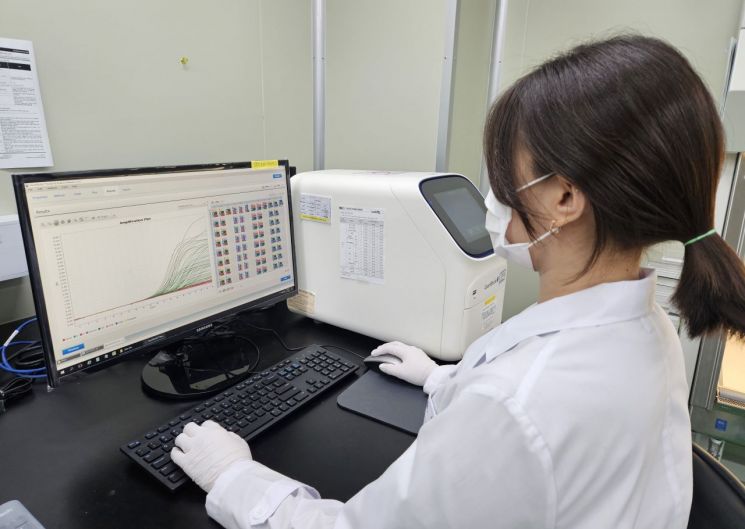 The Jeonnam Health and Environment Research Institute recently recommended thorough personal hygiene management along with vaccination as flu patients are rapidly increasing. Provided by Jeonnam Province
The Jeonnam Health and Environment Research Institute announced that, as temperatures have recently dropped significantly, cases of influenza (the flu) infections have surged, calling for heightened vigilance.
According to the results of the respiratory virus surveillance project (K-RISS) jointly conducted by the Jeonnam Health and Environment Research Institute and the Korea Disease Control and Prevention Agency, the influenza virus was first detected during the 45th week of this year (November 2-8). Although this is somewhat later than last year (42nd week), the virus detection rate reached 75%, which is actually higher. Notably, all detected viruses were identified as type A (H3N2).
Influenza is an acute respiratory infectious disease transmitted through droplets released by coughing or sneezing from infected individuals. The main symptoms include a fever of 38 degrees Celsius or higher, cough, sore throat, headache, and muscle pain.
On October 17, the Korea Disease Control and Prevention Agency issued an “epidemic advisory” two months earlier than last year, as the number of suspected influenza cases per 1,000 outpatients reached 12.1, surpassing the 2025-2026 season’s epidemic threshold of 9.1.
Yoon Yeonhee, Director of Infectious Disease Investigation Department 1 at the Jeonnam Health and Environment Research Institute, stated, “Since the issuance of the influenza epidemic advisory, the number of infections has been rapidly increasing,” and emphasized, “Practicing cough etiquette, wearing masks, and washing hands-basic personal hygiene-are more important than ever.”
She further stressed, “High-risk groups such as children, pregnant women, and those aged 65 and older should receive influenza vaccinations.”
© The Asia Business Daily(www.asiae.co.kr). All rights reserved.
![Clutching a Stolen Dior Bag, Saying "I Hate Being Poor but Real"... The Grotesque Con of a "Human Knockoff" [Slate]](https://cwcontent.asiae.co.kr/asiaresize/183/2026021902243444107_1771435474.jpg)
















