Starbucks Sells 60% Stake in China Business to Boyu Capital for $4 Billion
Starbucks announced on the 3rd (local time) that it has agreed to sell a 60% stake in its China business to Chinese private equity fund Boyu Capital for $4 billion (approximately 5.7368 trillion won).
Under this agreement, the two companies will establish a new joint venture and jointly operate Starbucks stores in China. Boyu Capital will hold a 60% stake in Starbucks' China retail business, while Starbucks will retain the remaining 40% stake and continue to provide the Starbucks brand and intellectual property licenses to the joint venture.
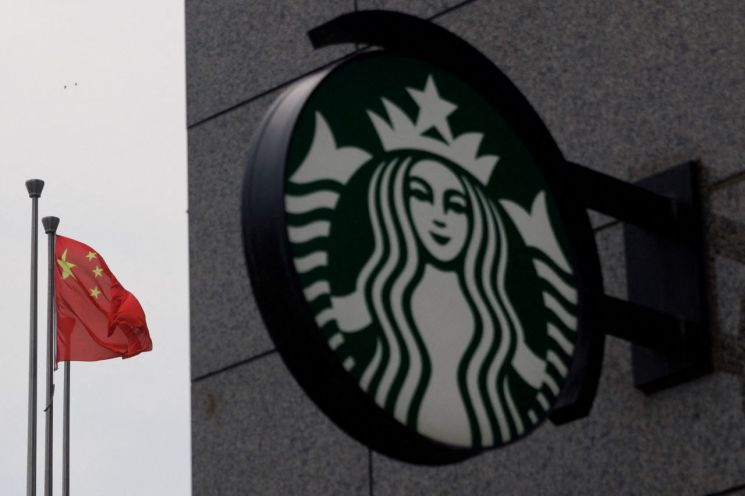
Starbucks estimated that the total value of its China retail business would exceed $13 billion, taking into account the proceeds from the stake sale to Boyu, the value of its 40% stake in the joint venture, and the expected license revenue over the next 10 years. The company projected that the number of stores currently operating across China, which stands at 8,000, could increase to as many as 20,000.
Starbucks expects to complete the joint venture in the second quarter of fiscal year 2026 (January to March 2026), following regulatory approval of the transaction.
Starbucks entered the Chinese market in 1999, and since 2015, China has become its second most important market after the United States. However, in recent years, Starbucks has faced difficulties in China due to the rapid expansion of local brands such as Luckin Coffee, which have gained ground by offering lower-priced coffee. In response, Starbucks has been exploring new growth strategies in China from multiple angles. The company reported a 2% increase in same-store sales in China in the fourth quarter of fiscal year 2026, but this result fell short of average expectations.
Meanwhile, with the prolonged deflation in China and the rise of local brands, many global companies are reassessing their China strategies. Earlier this year, Restaurant Brands International, the parent company of Burger King, moved to reacquire its struggling China business from its existing partner TFI Asia Holdings in preparation for a possible sale to another operator.
© The Asia Business Daily(www.asiae.co.kr). All rights reserved.

















