Unauthorized Filming at Four Air Bases Including Suwon, Osan, and Cheongju
Interpol Verification Requested After Statement: "My Father Works for Public Security"
Two Chinese teenagers have been handed over to the prosecution while in custody after being arrested for filming fighter jets and other military assets at South Korean and US military facilities and major international airports in South Korea.
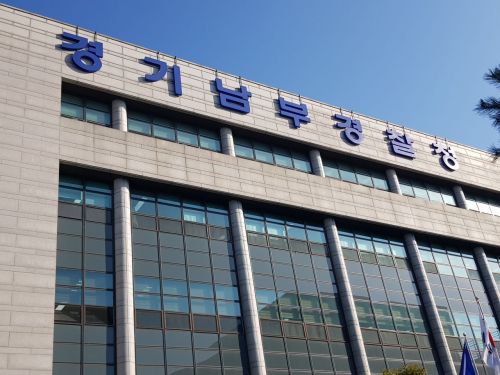
The Security Investigation Division of the Gyeonggi Nambu Provincial Police Agency announced on the 3rd that, at the end of last month, it had referred two Chinese high school students, A and B, both in their late teens, to the prosecution in custody on charges of violating the Criminal Act's general espionage provision, the Protection of Communications Secrets Act, and the Radio Waves Act.
According to the police, the two suspects are accused of entering South Korea multiple times from the second half of last year until March this year and visiting four South Korea-US military facilities-Suwon Air Base, Pyeongtaek Osan Air Base (K-55), Pyeongtaek US Military Base (K-6), and Cheongju Air Base-as well as three major international airports: Incheon, Gimpo, and Jeju. During these visits, they allegedly took thousands of unauthorized photographs of fighter jets taking off and landing, as well as air traffic control facilities, using cameras.
Their activities were discovered in March when a local resident witnessed them photographing fighter jets with a DSLR camera and a mobile phone near Suwon Air Base and reported them to the authorities. At the time of the incident, they were also found in possession of a radio transceiver that was turned on but unable to properly receive frequencies.
Previously, upon entering South Korea, the suspects would stay in the country for several days, roaming around various military facilities and international airports with DSLR cameras and mobile phones to take photographs.
The police initially investigated the case as a violation of the Act on the Protection of Military Bases and Installations, but after conducting forensic analysis on their mobile phones and reviewing their activities, they added the charge of general espionage and applied for a pretrial detention warrant, which was granted by the court. The general espionage provision punishes those who harm the military interests of the Republic of Korea or provide military benefits to enemy states.
During the investigation, suspect A reportedly stated that his father is affiliated with the Chinese public security authorities. The police have requested cooperation from Interpol to verify this information but have not yet received a response.
© The Asia Business Daily(www.asiae.co.kr). All rights reserved.

















