"Electronics and Clothing Prices Expected to Rise"
...Increased Financial Burden on Households
There is analysis suggesting that, due to the tariff policies of the Donald Trump administration, the amount American consumers spend on gifts during the year-end season-including Thanksgiving and Christmas-could rise significantly.
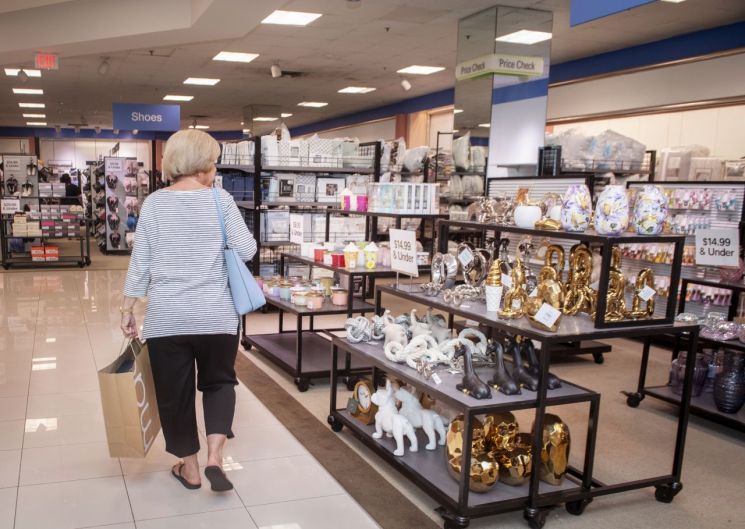 In June (local time), a consumer is browsing products at the opening event of the new Macy's store in Connecticut, USA. Photo by AP News
According to CNBC on November 2 (local time), U.S. online lender LendingTree applied the current tariff levels to last year's year-end gift purchase data and estimated that gift spending per American would increase by $132 (approximately 190,000 won).
The total additional cost borne by consumers and retailers was estimated to be $40.6 billion, with consumers shouldering $28.6 billion of that amount. In particular, electronics saw the largest increase, with per capita costs rising by $186, while clothing and accessories also rose by $82 per person.
These findings have raised concerns that tariffs could become a significant burden for consumers or businesses ahead of the biggest shopping season of the year in the United States, including Thanksgiving and Christmas. Matt Schulz, Chief Credit Analyst at LendingTree, pointed out, "For most Americans, having to pay an additional $132 for holiday gifts is quite significant."
He added, "Although the extra cost may not be enough to upend household finances, it could still have a real impact on many families," and noted that "consumers may end up taking on additional debt this year because of gift expenses." He also pointed out that while most consumers want to buy electronics and clothing as gifts, some people may no longer be able to afford these items.
Some have already assessed that the Trump administration's tariff policies are driving up prices in the United States. Jerome Powell, Chair of the U.S. Federal Reserve, stated at a press conference following the interest rate cut decision on October 29, "Higher tariffs are pushing up the prices of some goods, and as a result, they are increasing the overall price index."
© The Asia Business Daily(www.asiae.co.kr). All rights reserved.

















