Plans to Develop a Revitalization Model Connecting Culture, Jobs, and Economy
A New Model for Urban Regeneration Blending Youth, Art, and Commerce
Vacant Stores Transformed into Art Galleries and Pop-up Stores... Bringing Vitality to the Commercial District
"2025 Gumi Munhwaro Festival" Attracts Over 30,000 Visitors in Three Days
Building a Sustainable Economic Ecosystem
The "2025 Gumi Munhwaro Festival," held in Munhwaro, the representative old downtown commercial district of Gumi City, successfully concluded on November 2.
This festival took place over three days, from October 31 to November 2, throughout the Munhwaro autonomous commercial district, under the theme "Utilizing Vacant Stores Through Festivals: The Starting Point for Revitalizing the Old Downtown Economy."
During the festival, an average of 8,000 to 12,000 people visited daily, with over 30,000 attendees across the three days, confirming the potential for revitalizing the old downtown commercial district.
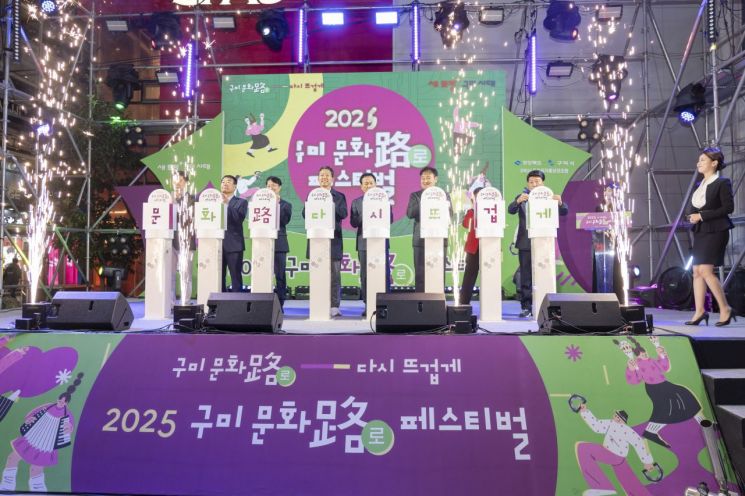 The "2025 Gumi Munhwaro Festival," held in Munhwaro, the representative old downtown commercial district of Gumi City, successfully concluded on November 2. / Photo by Gumi City Hall
The "Romantic Art Museum," which transformed vacant stores into art spaces, featured and sold over 20 works by local artists, attracting many visitors. One citizen commented, "Using vacant urban spaces as art galleries made the exhibition feel much more approachable."
Participating artists said, "We have struggled with a lack of exhibition spaces, but this festival showed us new possibilities," adding, "If this kind of support continues, it will greatly benefit the local art ecosystem."
The "Youth Startup Pop-up Store" featured four teams of young local entrepreneurs who showcased unique products such as food, traditional snacks, and accessories. One young entrepreneur stated, "It was difficult to open a store due to high rent, but this experience became a significant challenge and opportunity."
Additionally, the "One-Day Pop-up Class," which attracted many families, offered popular experiences with oil pastels and acrylic painting. Children said, "I hope these kinds of experience spaces continue even after the festival," smiling brightly.
The Munhwaro area was divided into three themed sections: "Market Road," "Fun Fun Road," and "Food Road."
On "Market Road," over 20 local flea market teams participated, creating a consumer festival that blended with existing shops. On "Fun Fun Road," a beauty experience zone in collaboration with Gumi University drew attention. Citizens who tried nail art and makeup said, "Receiving these services at a city festival feels new and exciting."
"Food Road" featured 10 local food trucks offering a variety of foods such as tanghulu, hotteok, and craft beer, enhancing the festive atmosphere. Visitors who enjoyed the markets and performances naturally stayed longer in the food area, increasing their time spent within the commercial district.
In addition, event zones such as the mime performance zone, 360-degree photo zone, and Romantic Tommy Zone were set up throughout the area, attracting visitors. On the main stage, congratulatory performances by Bobby Kim and Woody, as well as local busking musicians, turned the entire downtown into a concert hall.
During the festival, the Munhwaro commercial district regained its vitality after a long time.
One shop owner said, "It's been a long time since so many people gathered even on a weekday afternoon. If festivals like this are held more often, the commercial district will come back to life."
Gumi City plans to use this festival as an opportunity to build a sustainable economic ecosystem centered on the Munhwaro autonomous commercial district and to develop a model for revitalizing the area by linking culture, jobs, and the economy.
Gumi City Mayor Kim Jangho said, "Through the Munhwaro Festival, we have once again confirmed the potential of the old downtown commercial district. We will connect the Ramen Festival and the K-Onnuri Pass project to transform the area around Gumi Station into Gyeongbuk's representative 'Romantic Street.'"
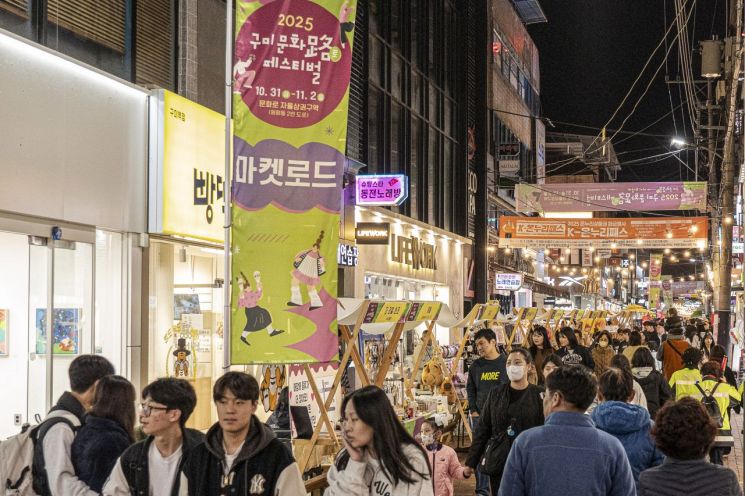 During the festival period, the commercial district regained its vitality through culture after a long time. / Photo by Gumi City Hall
© The Asia Business Daily(www.asiae.co.kr). All rights reserved.

![Clutching a Stolen Dior Bag, Saying "I Hate Being Poor but Real"... The Grotesque Con of a "Human Knockoff" [Slate]](https://cwcontent.asiae.co.kr/asiaresize/183/2026021902243444107_1771435474.jpg)
















