Safe Enjoyment of Shellfish
Perfected by the "Seasonal Core" Lifestyle
The trend of enjoying seasonal changes through foods, activities, and fashion unique to each season-known as "Seasonal Core"-is becoming a new lifestyle among Generation Z.
As climate change blurs the boundaries between seasons, there is a growing movement to seek out experiences that are only possible during the current season.
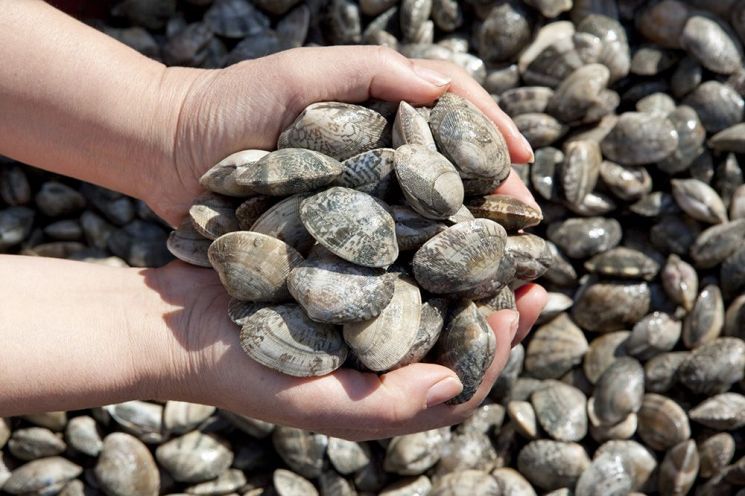
Seasonal foods are at their most delicious and nutritious during their peak season. As the cold wind begins to blow, people turn to "winter sea superfoods" such as oysters, scallops, mussels, and cockles. Shellfish gain weight as water temperatures drop from autumn to early winter, and after their spawning season, they have had enough time to feed, making them rich in nutrients such as zinc, iron, taurine, minerals, and protein. As a result, they act as natural supplements that help maintain health and vitality during the winter months.
However, if freshness is not maintained or proper hygiene is not observed during preparation, shellfish can cause gastrointestinal illnesses such as norovirus infection, Vibrio vulnificus sepsis, and foodborne enteritis, so caution is needed.
Norovirus infection is transmitted through consumption of food (such as seafood) or water (such as groundwater) contaminated with norovirus, or through contact with infected individuals. In Korea, it occurs mainly from November to March, is highly contagious, and can survive for up to three days in the living environment. It is common among those with poor personal hygiene or those living in group settings.
Additionally, because immunity is short-lived, those who have been infected in the past can be reinfected. Symptoms of acute gastroenteritis, such as vomiting, diarrhea, chills, fever, and abdominal pain, typically appear within 12 to 48 hours of infection.
Vibrio vulnificus sepsis occurs when one is infected by Vibrio vulnificus bacteria present in seawater. It is mainly contracted during summer to early autumn by eating undercooked or raw shellfish or seafood, or when an open wound comes into contact with contaminated seawater. Symptoms include acute fever, chills, diarrhea, vomiting, abdominal pain, and low blood pressure, and skin lesions such as rashes, blisters, and swelling may develop within 24 hours. People with liver disease, diabetes, weakened immune systems, or alcohol dependence are considered high-risk and require special caution.
Consuming undercooked or spoiled shellfish can lead to foodborne enteritis caused by various bacteria such as Vibrio parahaemolyticus, Staphylococcus aureus, and Salmonella. Symptoms include abdominal pain, diarrhea, fever, vomiting, and general weakness.
Kim Jaehan, Director of the Gastrointestinal Endoscopy Center at Daedong Hospital (Internal Medicine Specialist), advised, "As the cold wind begins to blow, people naturally seek out seasonal shellfish, but it is crucial to strictly observe safety guidelines such as ensuring ingredient freshness and maintaining hygiene in the cooking environment. Gastrointestinal symptoms such as diarrhea, vomiting, and abdominal pain after eating may simply be enteritis, but they could also indicate conditions like norovirus infection that require medical treatment. Ignoring symptoms or relying on home remedies can worsen the condition. If you experience persistent diarrhea, vomiting, high fever, bloody stools, or dehydration, it is essential to visit a medical facility promptly and consult a specialist."
Before and after eating or cooking, always wash your hands with soap under running water for at least 30 seconds, choose fresh ingredients, and clean them thoroughly. Seafood should be stored at temperatures below 5°C and cooked thoroughly at temperatures above 85°C before consumption. It is also important to use separate cutting boards and knives for different ingredients or to thoroughly disinfect cooking utensils.
If you have a skin wound, avoid contact with contaminated seawater. If contact occurs, wash the exposed area thoroughly with clean water and soap. If you have gastrointestinal symptoms, refrain from cooking. If norovirus infection is suspected, avoid contact with others for at least 48 hours after symptoms disappear, keep living spaces-including bathrooms-separate at home, and strictly follow hygiene practices such as handwashing and disinfection to prevent secondary infections.
© The Asia Business Daily(www.asiae.co.kr). All rights reserved.

















