Joint Response by Government, Local Authorities, Fire and Police
Comprehensive Review of Laboratory Safety Systems
"As flames erupted from the lithium battery, smoke instantly filled the laboratory."
On October 30, the "2025 National Disaster Response Safety Korea Drill for Laboratories" held at a research lab at the Korea Advanced Institute of Science and Technology (KAIST) in Daejeon closely resembled a real fire emergency. The drill simulated a scenario in which a sudden, unexplained explosion occurred while student researchers were handling a lithium battery, causing a fire that threatened to spread to adjacent buildings. Both government and private sector participants worked together to assess their response capabilities.
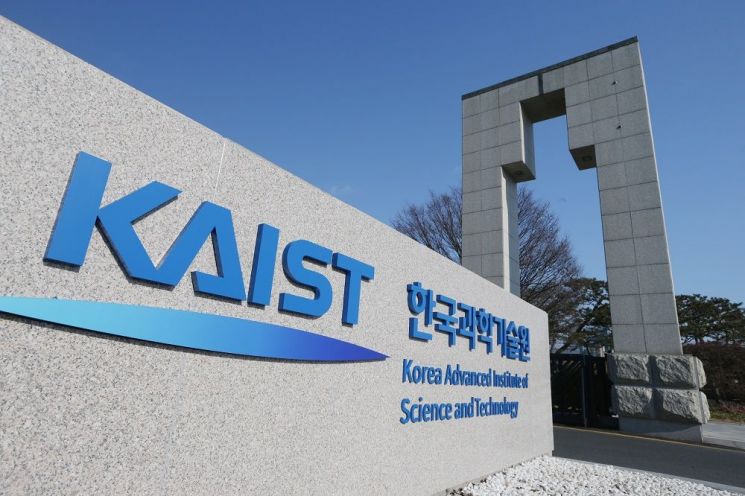
This exercise was a comprehensive, government-wide drill designed to prepare for a major disaster caused by a lithium battery fire. It was the first such drill since laboratory disasters were classified as social disasters last year. The simulation covered every stage, from the immediate on-site response after an explosion or fire in the laboratory to crisis management by the central government, replicating real-life conditions.
The Ministry of Science and ICT conducted the drill in cooperation with the Ministry of the Interior and Safety, the Ministry of Trade, Industry and Energy, the Ministry of Climate, Energy and Environment, the Korea Gas Safety Corporation, the Geumgang Basin Environmental Office, Daejeon City Hall, and Yuseong Fire and Police Stations, among others. Deputy Prime Minister and Minister Bae Kyunghoon personally directed the scene as the head of the Central Disaster and Safety Countermeasures Headquarters.
On site, fire, police, and public health agencies worked together to extinguish the fire and transport the injured. A secondary drill was also conducted to prevent the flames from spreading to a high-pressure gas storage room in an adjacent building. The KAIST safety team operated a real-time fire monitoring system and a hazardous materials information system to manage the spread of dangerous substances.
Additionally, the Ministry of Science and ICT used a discussion-based drill (situation response simulation) to review procedures such as reporting on-site situations via the Public Safety LTE network (PS-LTE), escalating the crisis alert level (from caution to severe), and activating the Central Disaster and Safety Countermeasures Headquarters. Each ministry used a video conferencing system to share information and test the government-wide cooperation system in real time.
Deputy Prime Minister Bae Kyunghoon stated, "Laboratory safety is directly linked to the lives of researchers," and added, "We will thoroughly prepare for risk factors in research on new technologies such as lithium batteries and internalize our response capabilities through regular drills." He also emphasized, "We will strengthen a comprehensive laboratory disaster management system through close cooperation with relevant agencies."
© The Asia Business Daily(www.asiae.co.kr). All rights reserved.
![Clutching a Stolen Dior Bag, Saying "I Hate Being Poor but Real"... The Grotesque Con of a "Human Knockoff" [Slate]](https://cwcontent.asiae.co.kr/asiaresize/183/2026021902243444107_1771435474.jpg)
















