Preventing Offshore Tax Evasion
Enhancing Transparency of Taxable Income
Starting in 2027, tax authorities from various countries will regularly exchange information each year regarding cryptocurrency transactions conducted by residents of other countries. This marks the beginning of full-scale international cooperation aimed at preventing offshore tax evasion and enhancing the transparency of taxable income related to crypto-assets.
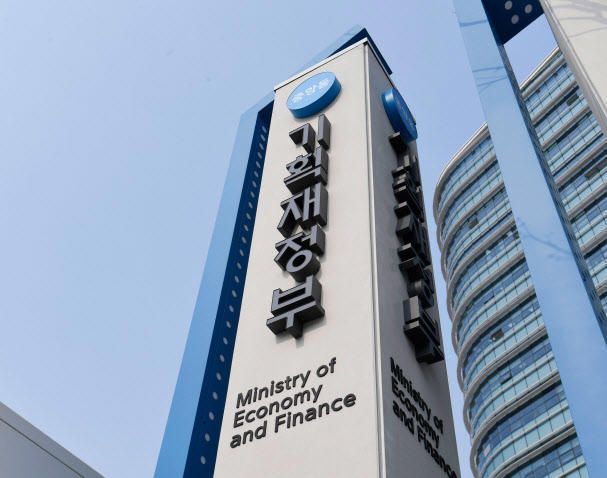
On the 28th, the Ministry of Economy and Finance announced that it will issue an advance notice of legislation until November 17 for the enactment of the “Regulations on the Implementation of Automatic Exchange of Crypto-Asset Information under the Information Exchange Agreement” and the amendment of the “Regulations on the Implementation of Automatic Exchange of Financial Information under the Information Exchange Agreement.”
This measure follows South Korea’s signing of the Multilateral Competent Authority Agreement on the Crypto-Asset Reporting Framework (CARF MCAA) at the OECD Global Forum in November last year. Under this agreement, participating countries will exchange information with each other based on the Crypto-Asset Reporting Framework (CARF), which was jointly developed by the OECD and G20. According to the new regulations, crypto-asset businesses with certain ties to South Korea must verify the residency of their customers and collect transaction information for those residing overseas. The transactions subject to reporting include: ▲ exchanges between crypto-assets and fiat currency, ▲ exchanges between different crypto-assets, and ▲ transfers of crypto-assets (including retail payment transactions exceeding USD 50,000).
The reporting items include key details such as the name of the crypto-asset, the annual number of transactions, the number of units traded, and the total transaction amount. Businesses are required to report the previous year’s transaction information to the National Tax Service by the end of each year, and the National Tax Service will then exchange this information with tax authorities in countries that are party to the agreement. The first exchange is scheduled to take place in 2027, based on transaction information from 2026.
The amendment to the “Regulations on the Implementation of Automatic Exchange of Financial Information,” which is also being announced for public comment, includes an expansion of the types of assets subject to exchange. Central Bank Digital Currencies (CBDCs) and certain electronic money products (electronic money for payment) will be newly included, and whether an identity verification certificate has been provided will also be added as a reporting item. These measures are intended to broaden the scope of asset tracking by tax authorities and improve the accuracy of information. However, accounts with a low risk of tax evasion, such as small rechargeable electronic money accounts, will be classified as “excluded accounts” to reduce the administrative burden on financial institutions.
© The Asia Business Daily(www.asiae.co.kr). All rights reserved.

















