Akita Prefecture Requests Self-Defense Forces Deployment
172 Casualties in the First Half of the Year... Surge in Incidents
Climate Change and Expanding Habitats Lead to More Human Encounters
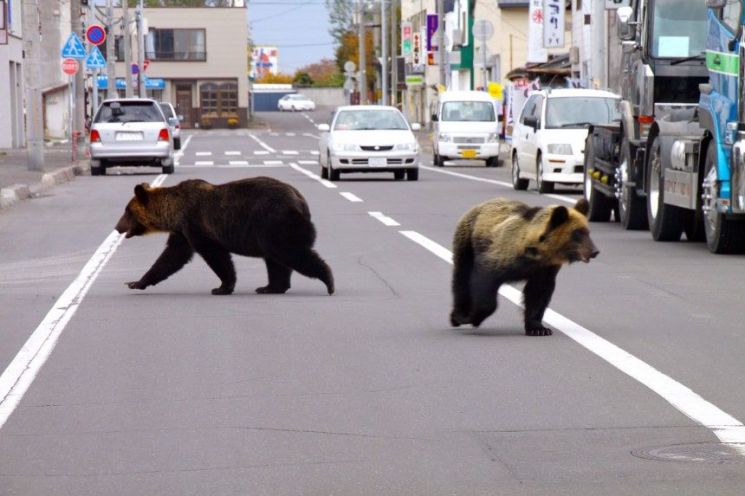
As wild bear attacks have surged, particularly in northeastern Japan, some regions have even requested the deployment of the Self-Defense Forces to control the bears. With more than 170 casualties reported nationwide in just the first half of this year, the Japanese government is struggling to come up with countermeasures. In the medium to long term, the frequency of bears raiding residential areas is expected to increase further due to the combined effects of declining birth rates, an aging population leading to abandoned villages, and abnormal weather patterns. As a result, concerns are growing that bear-related damage will worsen in the future.
Akita Prefecture Requests Self-Defense Forces Deployment... "Bear Damage Extremely Severe"
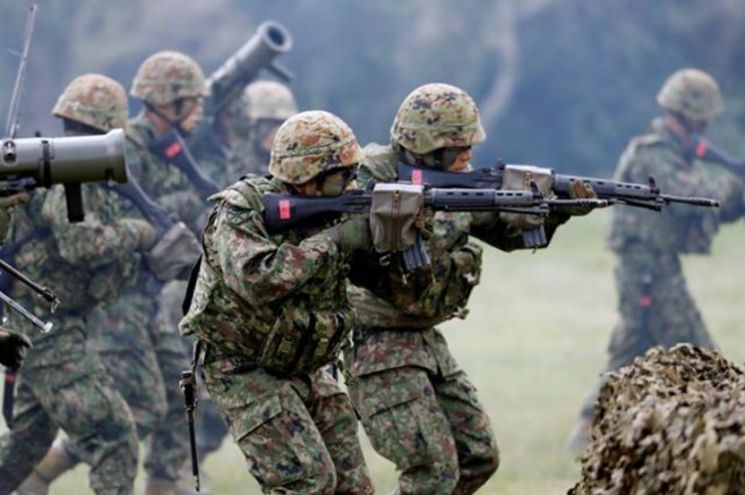
According to NHK, on October 28, Akita Prefecture Governor Kenta Suzuki visited Japan’s Ministry of Defense to discuss the issue of wild bear control in the prefecture with the central government. He reportedly requested that the Ministry of Defense dispatch Self-Defense Forces personnel to help control the bears, stating that the damage caused by bears has become extremely severe and that local governments have reached the limits of their capacity to respond.
As of October 26 this year, Akita Prefecture had recorded 54 casualties from wild bear attacks. This represents a sharp increase compared to the total of 11 casualties for all of last year. The number of reported wild bear sightings in Akita Prefecture this year also reached 8,044, six times higher than last year. With wild bears descending not only on residential areas but also into urban centers, the number of victims continues to rise.
On October 26, an 85-year-old resident was attacked and injured on the head by a bear at a private home in Kazuno City, Akita Prefecture. In Akita City, the prefectural capital, a bear was also spotted in the downtown area. After repeated bear sightings in a park near Akita Station over two days from October 25, city authorities temporarily closed the park. Earlier, on October 20, a bear that appeared in downtown Yuzawa City attacked four men; the bear hid in a residential area and was eventually captured in a trap in the early morning of October 25, after about 120 hours.
Not only Akita Prefecture, but also Iwate and Hokkaido, along with other northeastern regions of Japan, have seen a continuous surge in wild bear-related incidents this year. Across Japan, wild bear attacks resulted in 172 casualties in just the first half of this year.
Abandoned Villages Due to Low Birth Rates and Aging Population... Climate Change Triggers Bear Raids on Homes
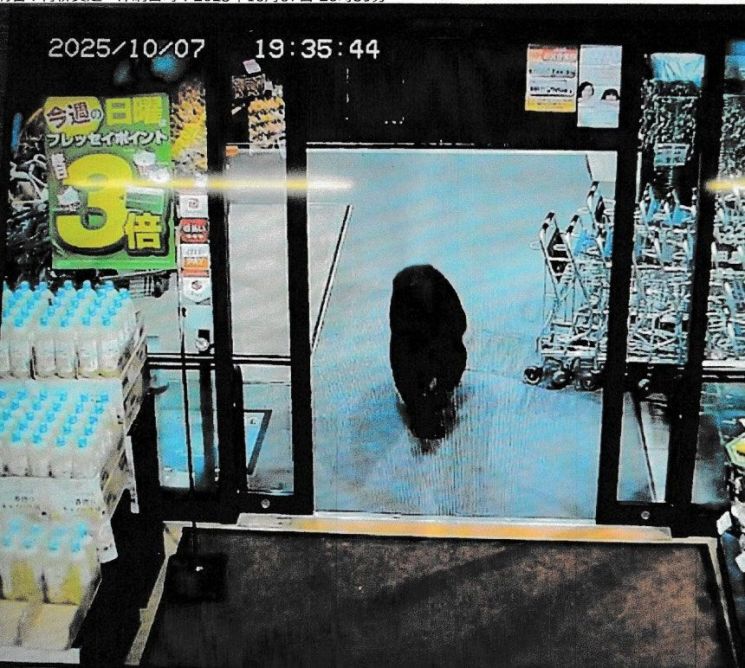
The main reason for the sharp increase in bear attacks in Japan compared to previous years is believed to be abnormal weather patterns. As the main food sources within their habitats have disappeared due to climate anomalies, bears have no choice but to descend into residential areas to stock up on food for hibernation.
In a recent report, Japan’s Ministry of the Environment stated, "Due to climate change and a decline in acorn production in autumn, wild bears are increasingly descending from the mountains into urban areas in search of food. We will prioritize resident safety by mapping areas where bears frequently appear, strengthening drone surveillance, and increasing capture efforts."
Ordinarily, wild bears become less active from late October as they prepare for hibernation, but with temperatures remaining higher than average due to global warming, bear activity has increased. Additionally, frequent typhoons this year have led to a poor crop of beech nuts, a primary food source for wild bears, resulting in a significant decline in their numbers and forcing bears to come down into residential areas more often.
Some point out that, beyond abnormal weather, the accelerating decline of rural populations due to low birth rates and aging, leading to a surge in abandoned villages in Japan’s rural and small-town areas, is a major cause of increased wild bear appearances. As rural areas disappear, bears have expanded their habitats to the outskirts of cities. The Yomiuri Shimbun noted, "The appearance of wild bears is, in fact, another face of regional depopulation. Population decline and the breakdown of communities are blurring the boundaries between wildlife and humans."
© The Asia Business Daily(www.asiae.co.kr). All rights reserved.



















