China Threatens Container Ship Orders, Prices Likely to Fall
Profitability of U.S. Defense Block Construction Is Key
This year marked a full-fledged re-rating for the shipbuilding industry. Following the dominance in LNG carrier orders, expectations for winning U.S. defense contracts have also gained momentum. If the details of MASGA (Make America Shipbuilding Great Again), which is currently under negotiation with the United States, become clear, optimism for the shipbuilding sector is expected to rise once again.
Will the high level of interest in shipbuilding continue into next year? On October 28, Yuanta Securities released its report, "2026 Annual Outlook: The Year of Pioneering a Great Path," projecting that while the commercial ship segment may see a slight adjustment, the defense sector is expected to take off in earnest.
Diverging Fates of Commercial and Defense Shipbuilding
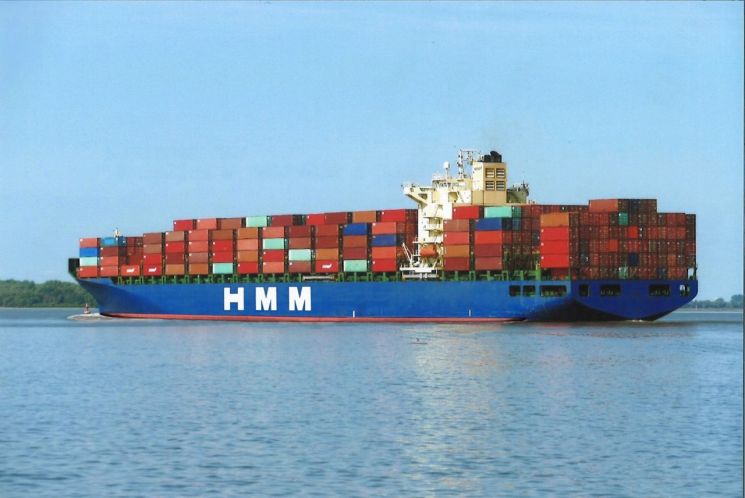
The order backlog for commercial ships surged after the COVID-19 pandemic. Since shipping companies are still replacing aging fleets, concerns about a decrease in the order backlog are expected to remain very limited from an order volume perspective. However, as competition in ordering eco-friendly container ships-which drove up newbuilding prices-eases, and the share of tanker orders rises, upward pressure on ship prices is expected to subside. As seen in the container ship order volume from 2022 to 2025, with China accounting for 32% and Korea for 29%, there is a high possibility of price declines driven by China. In addition, as preparations for eco-friendly regulations have progressed to some extent, demand for secondhand ships is also expected to increase.
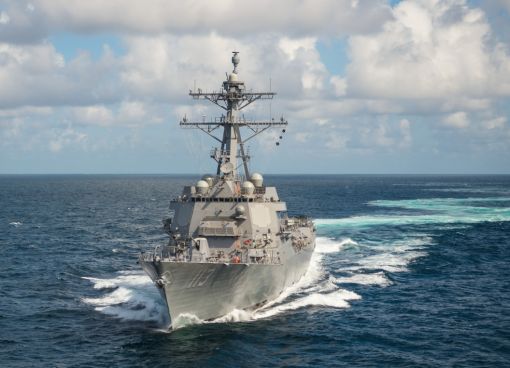
It is already widely known that domestic shipbuilders can benefit from winning orders from the U.S. Navy in the defense sector. Kim Yongmin, an analyst at Yuanta Securities, stated, "Speculating on the feasibility of these contracts is an old story; what matters now is forecasting the scale of potential profits if the projects actually proceed." He added, "If a block construction contract for U.S. Navy vessels is secured, we expect an operating margin of over 30%."
A Different Shipbuilding Cycle from the Past
The shipbuilding industry suffered a prolonged downturn for more than a decade following a sharp drop in market capitalization in 2008. Recently, concerns have been raised about a possible earnings peak-out after 2028. However, Yuanta Securities analyzed that the current shipbuilding cycle is different from the past. In the 2000s, the industry saw: ▲ a surge in new fleet orders due to rapid growth in the shipping market; ▲ expansion of production capacity without demand forecasting; and ▲ a steep decline triggered by the global financial crisis. In contrast, in the 2020s, the industry is characterized by: ▲ replacement demand rather than rapid market expansion; ▲ a reluctance to expand reduced production capacity; ▲ confidence in mid- to long-term order volumes; and ▲ benefits from U.S.-China maritime power competition. Therefore, the likelihood of boom-and-bust cycles similar to the past is considered low.
This year, the market capitalization of domestic shipbuilders has risen not because of commercial ship orders, but due to expectations for the defense sector. Analyst Kim Yongmin commented, "If we evaluate the current shipbuilding sector solely based on commercial ship business metrics, it will inevitably appear overvalued." He added, "In a phase where unprecedented expectations for U.S. defense shipbuilding orders are turning into conviction, concerns about a peak-out in core business profits can be easily offset." While leading indicators for the commercial segment show slight adjustments, a more pronounced profit improvement is expected next year to offset this, and as the defense business becomes more visible, it is expected to serve as a trigger for further stock price gains in the coming year.
© The Asia Business Daily(www.asiae.co.kr). All rights reserved.

















