Three-Party Alliance of Middle-Aged Seoul Residents, Small and Medium Cities, and Regional SMEs
"Encouraging Baby Boomer Reemployment... Revitalizing Regional Economies"
There has been a proposal to address both the retirement security of the baby boomer generation in the Seoul metropolitan area (those born between 1955 and 1974) and the labor shortages faced by regional small and medium-sized enterprises (SMEs) by encouraging these retirees to seek employment at local SMEs.
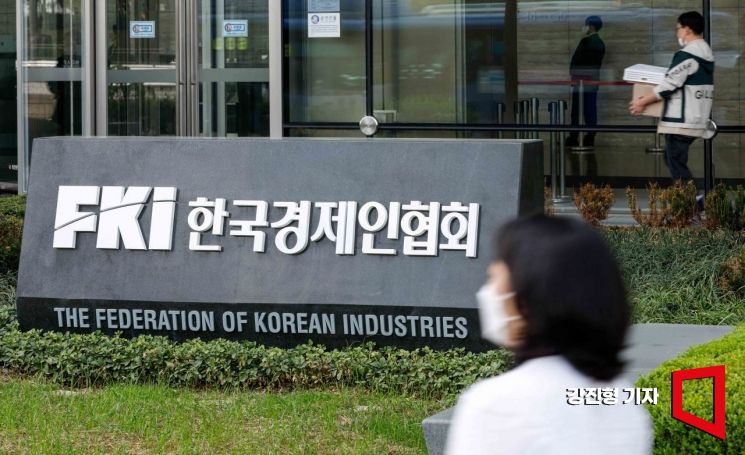
On October 23, the Korea Economic Association announced that it will launch the "Baby Boomer Regional Economy Boom Up Project" to tackle the complex challenges facing Korean society, including the negative effects of population concentration in the Seoul metropolitan area, rising real estate prices in the region, retirement insecurity among baby boomers, and labor shortages at regional SMEs.
As the first phase of the project, the Korea Economic Association released findings from a survey on labor shortages at regional SMEs. The survey, conducted by the polling agency Mono Research, targeted 500 SMEs outside the Seoul metropolitan and Jeju areas. According to the results, 51.4% of these companies reported experiencing labor shortages. The situation was especially acute in the manufacturing sector, where 60.8% of companies indicated a shortage of workers. A follow-up survey of 257 companies experiencing labor shortages found that the main job categories affected were: technical/production roles (35.3%), service positions (27.7%), office/administrative work (12.1%), and research and development (10.0%).
Due to factors such as low wages, population decline in the regions, and job seekers' preference for the Seoul metropolitan area, many young people are leaving these areas. As a result, 52.2% of regional SMEs indicated a willingness to hire middle-aged and older workers aged 50 and above. Among companies already experiencing labor shortages, this figure rose to 60.7%, indicating that the more severe the labor shortage, the stronger the willingness to hire older workers.
The Korea Economic Association proposed a "three-party alliance" model to encourage employment of retiring baby boomers from the Seoul metropolitan area at regional SMEs and to promote their relocation to these regions. The model aims to create a cooperative structure in which all three parties-middle-aged individuals from the Seoul metropolitan area, small and medium-sized cities in the regions, and regional SMEs-can benefit. According to the survey, 45.8% of regional SMEs responded that the three-party alliance model would help alleviate labor shortages. The anticipated benefits of this model included resolving labor shortages at regional SMEs (24.3%), providing stable jobs and income for baby boomers (22.9%), and increasing population inflow into regional communities (17.1%).
Lee Sangho, Director of the Economic and Industrial Division at the Korea Economic Association, stated, "Regional SMEs are experiencing management difficulties due to labor shortages caused by population decline. If we can encourage baby boomers from the Seoul metropolitan area to return to their hometowns and seek reemployment in these regions, it will help ease labor shortages at regional SMEs and stimulate both local and domestic economies."
© The Asia Business Daily(www.asiae.co.kr). All rights reserved.

















