Isaacman, Whose Nomination Was Withdrawn in May, Interviewed Again
Ongoing Political Controversy Over NASA Administrator Position
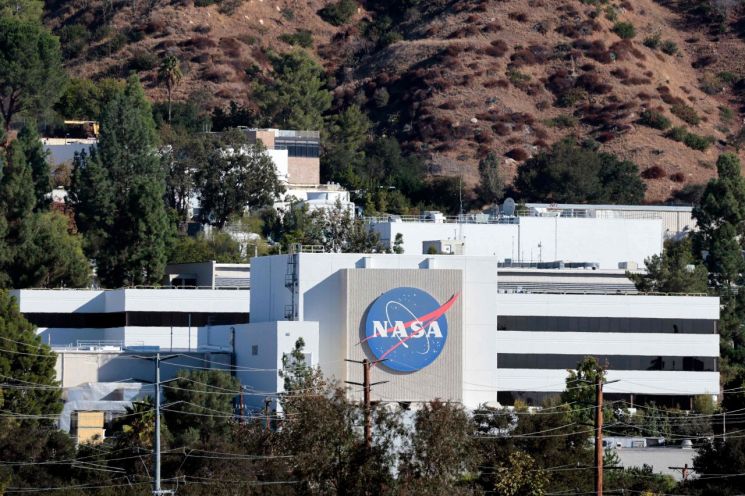
For more than nine months since the beginning of the year, the position of administrator of the National Aeronautics and Space Administration (NASA) has remained vacant, sparking an intense power struggle within the U.S. political sphere. As President Donald Trump seeks to reinstate billionaire Jared Isaacman-whose nomination for NASA administrator was withdrawn in May-opposition is mounting, particularly among those close to President Trump. Some observers warn that if the political dispute prolongs the vacancy at NASA, the United States may fall behind China and Russia in space projects.
Isaacman, Whose Nomination Was Withdrawn in May, Interviewed Again... Emerges as Leading Candidate for Next Administrator
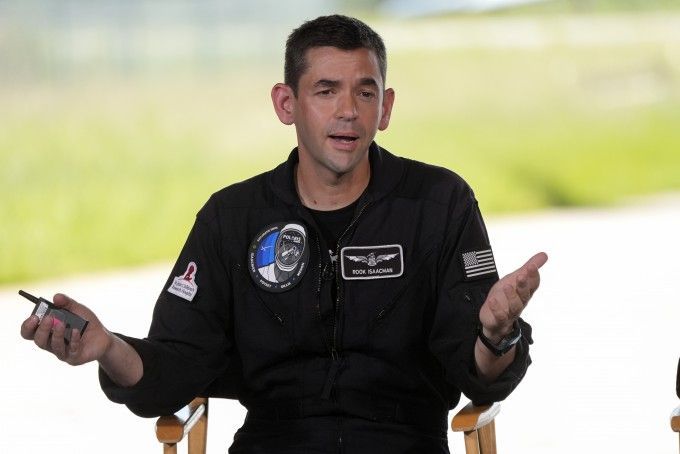 Billionaire Jared Isaacman, once again mentioned as the next administrator of the National Aeronautics and Space Administration (NASA). Photo by AP News Agency
According to CNN, on the 13th (local time), NASA conducted an interview with Isaacman as a candidate for its next administrator. Isaacman is the founder of the major U.S. payment company Shift4 Payments and a billionaire who maintains a close relationship with Tesla CEO Elon Musk. In 2021, he became the world’s first private astronaut after successfully completing a spaceflight and spacewalk aboard a SpaceX spacecraft. He is currently serving as a senior space engineer at SpaceX.
President Trump initially nominated Isaacman for NASA administrator in December last year at the recommendation of CEO Musk, but withdrew the nomination in May this year after a falling out with Musk. Since then, with no permanent administrator in place, U.S. Secretary of Transportation Sean Duffy has been serving as acting administrator of NASA.
However, President Trump has since changed his mind and decided to reconsider Isaacman, leading to the recent interview.
Clash Over NASA Leadership Between Secretary of Transportation Sean Duffy and Isaacman... Negative Impact on SpaceX
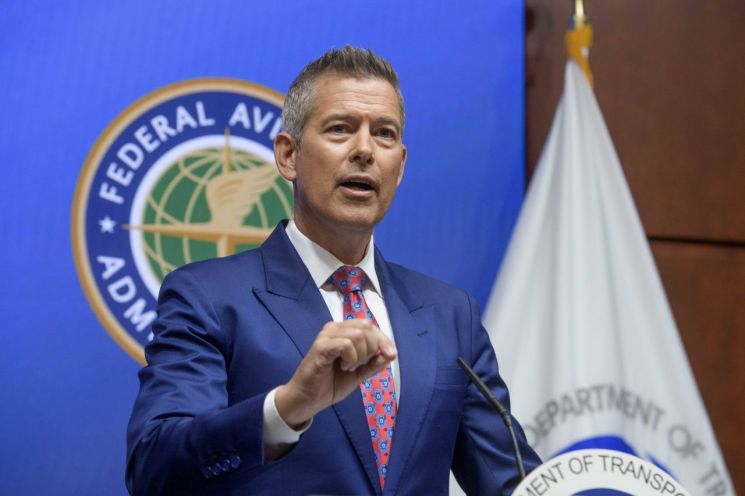 Sean Duffy, U.S. Secretary of Transportation and Acting Administrator of the National Aeronautics and Space Administration (NASA). Photo by AP Yonhap News
Within the Trump administration, opposition to Isaacman’s potential reappointment is growing. Secretary Duffy is reportedly strongly opposed to Isaacman’s appointment. The Wall Street Journal (WSJ), citing U.S. government officials, reported, "Advisors and lawmakers supporting either Duffy or Isaacman have been reaching out directly to President Trump," and added, "Duffy’s camp has even told White House officials that Isaacman is hiring lobbyists and influencers to secure the NASA administrator position."
Isaacman has pushed back against these rumors. In a statement following his NASA administrator interview, he said, "I have never hired lobbyists or influencers for pay," and emphasized, "I have never expressed confidence about being renominated as NASA administrator under any circumstances." Nevertheless, according to the WSJ, negative rumors about Isaacman persist both inside and outside the White House, largely due to concerns that his reappointment could increase CEO Musk’s influence within the White House.
Separately, a dispute has also erupted between Secretary Duffy and CEO Musk. In a CNBC interview on the 20th, Secretary Duffy publicly criticized SpaceX, saying, "The Artemis lunar launch schedule continues to be delayed because of SpaceX," and added, "We must win the competition with China, and we want to reach the moon within President Trump’s term. If necessary, we will contract with another company."
CEO Musk responded with even harsher criticism of Secretary Duffy. On his social media platform X, Musk posted, "Sean Dummy has a two-digit IQ," and added, "I wonder if someone who is only good at climbing trees should be running America’s space program."
U.S. Space Projects Expected to Face Setbacks... Falling Behind China and Russia in Lunar Base Construction?
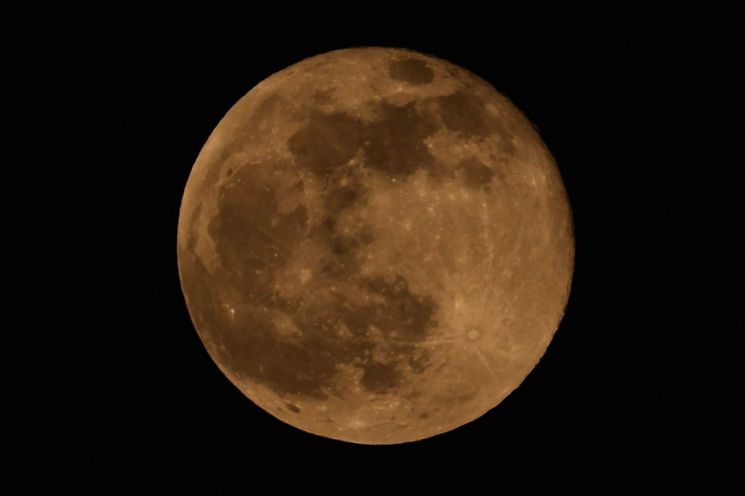
With the ongoing political dispute over the NASA administrator position, concerns are mounting that the United States may fall behind China and Russia in the race to build a crewed lunar base. While China and Russia are making concrete progress on their lunar base projects, NASA is facing a leadership vacuum, budget cuts, and even a wave of personnel departures.
According to CNBC, NASA’s workforce has shrunk by about 4,000 employees this year due to restructuring measures such as budget cuts by the Trump administration and early retirement incentives. As a result, the number of employees has dropped from around 18,000 to 14,000. In the U.S. government’s 2026 fiscal year budget proposal (covering October 1, 2025, to September 30, 2026), released by the White House in May, NASA’s budget was set at $18.8 billion (approximately 26.9 trillion won), a 24% decrease from the previous year’s $24.8 billion.
As a result, the schedule for Artemis, the U.S. crewed lunar exploration project, continues to face delays. More than three years have passed since the uncrewed Artemis I spacecraft completed its lunar mission in 2022, but there is still no concrete timeline for the launch of the crewed Artemis II. The launch, originally planned for 2023, has been postponed by a year each year, and now there is speculation that it may not be possible until February next year. Given NASA’s current situation, some predict that lunar base construction may not be possible until the late 2030s.
In contrast, China and Russia are rapidly advancing their crewed lunar base projects. In May, the two countries signed a contract to build a nuclear reactor at a planned crewed base near the lunar south pole, and they are currently conducting performance tests on lunar exploration robots. The Chinese government plans to launch the Chang’e 8 rocket in early 2028 to lay the groundwork for lunar base construction.
© The Asia Business Daily(www.asiae.co.kr). All rights reserved.



















