Ethanol Identified as a Substance That Increases the Risk of Cancer and Pregnancy Complications
Recently, controversy has arisen as the European Union (EU) is considering classifying ethanol, a key ingredient in hand sanitizer, as a carcinogen.
According to the Financial Times (FT) on the 21st (local time), a working group under the European Chemicals Agency (ECHA), an EU body, issued an internal recommendation on the 10th. The group identified ethanol as a toxic substance that increases the risk of cancer and pregnancy complications, and recommended the use of alternative substances.
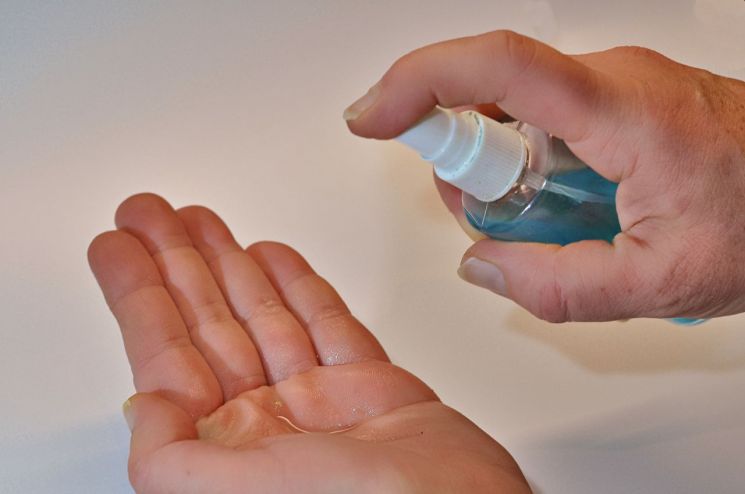
The ECHA Biocidal Products Committee (BPC) is scheduled to hold a meeting from the 24th to the 27th of next month to discuss the potential health risks of ethanol. Afterward, the European Commission will make a final decision. ECHA stated, "If the expert committee determines that ethanol is carcinogenic, we will recommend alternatives. However, if it is deemed safe under actual usage conditions or if there are no substitutes, it may continue to be used for certain applications."
This news has prompted concerns from the healthcare and industrial sectors, as it could have significant impacts on hospitals and related facilities.
Alexandra Peters, a professor at the University of Geneva and a member of the Clean Hospital Network, emphasized, "The number of deaths caused by healthcare-associated infections is higher than the combined deaths from malaria, tuberculosis, and AIDS," adding, "Hygiene management using alcohol-based hand sanitizers prevents 16 million infections globally each year."
Currently, isopropanol, which is widely used in general disinfectants, is being considered as an alternative to ethanol. However, there are concerns that it is even more toxic.
Professor Peters expressed concern, stating, "Isopropanol is more toxic," and added, "Repeated washing with soap takes a long time and damages the skin. Without hand sanitizer, nurses would have to spend more than 30 minutes every hour washing their hands during surgery."
Alcohol is classified as a Group 1 carcinogen by the World Health Organization (WHO), but this applies to cancer risks arising from alcohol consumption. The ethanol used in hand sanitizers is applied to the skin, so the route of human exposure is different. However, there is still relatively little research on this topic.

Nicol Beini, EU Secretary General of the International Association for Soaps, Detergents and Maintenance Products (AISDMP), pointed out, "If the ECHA review is based on data from alcohol consumption, there is insufficient scientific evidence to apply it directly to topical products such as hand sanitizers."
ECHA has not yet made a final decision. Professor Peters said, "Ethanol can be produced from almost any raw material, which allowed for the rapid supply of hand sanitizers during crisis situations such as the COVID-19 pandemic," adding, "It is impossible to convert distilleries into isopropanol plants."
FT reported that about 300 opinions were submitted during the public consultation held earlier this year, with the majority expressing opposition.
Meanwhile, hand sanitizers have become an essential means of infection prevention as the importance of personal hygiene has increased following the COVID-19 pandemic.
© The Asia Business Daily(www.asiae.co.kr). All rights reserved.
![Clutching a Stolen Dior Bag, Saying "I Hate Being Poor but Real"... The Grotesque Con of a "Human Knockoff" [Slate]](https://cwcontent.asiae.co.kr/asiaresize/183/2026021902243444107_1771435474.jpg)

















