"Stronger Grip Strength Linked to Reduced Risk of Organ Damage"
A recent study has found that greater grip strength is associated with a lower risk of physical function decline and mortality due to obesity.
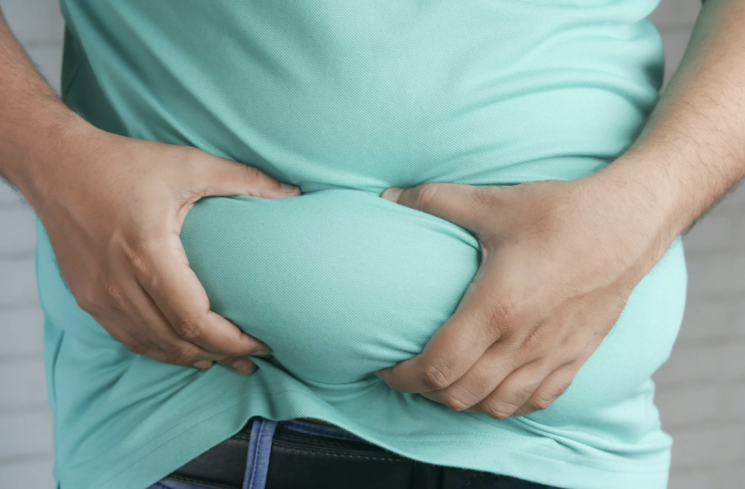
On October 21, a research team led by Dr. Xian Yun and Dr. Hu Kang at the Pennington Biomedical Research Center, Louisiana State University, reported in the Journal of Clinical Endocrinology & Metabolism (JCEM), the official publication of the Endocrine Society, that higher grip strength tends to correlate with reduced progression of obesity and lower risk of death.
The researchers investigated the association between grip strength and the progression of "preclinical obesity" using data from 93,275 participants in the UK Biobank. Preclinical obesity refers to a state in which body mass index (BMI) and abdominal obesity indicators (waist circumference, waist-to-hip ratio, waist-to-height ratio, body fat percentage, etc.) are abnormally high, but metabolic abnormalities associated with obesity have not yet appeared.
The team established a three-stage pathway from preclinical obesity to functional impairment and then to mortality, applying a multistate model. Participants in the preclinical obesity stage, as defined by BMI, were divided into high, medium, and low groups based on their average grip strength in both hands. The researchers then analyzed the risk of organ dysfunction and death due to obesity across these groups.
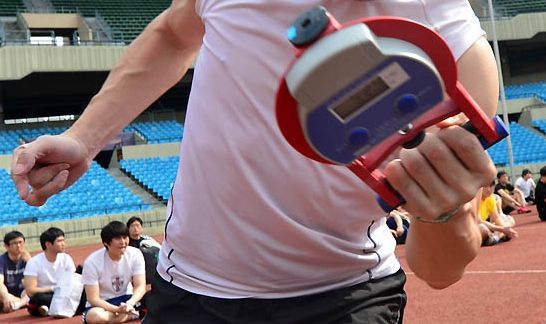
During a follow-up period of 13 years and 4 months, the team analyzed 8,163 deaths. They found that for each one standard deviation (SD) increase in grip strength (about 10-12 kg), the risk of organ dysfunction due to obesity decreased by approximately 14%. The greatest reduction in risk was observed in the initial stage, where participants transitioned from normal function to the first signs of impairment.
The group with the highest grip strength (top tertile) had lower risks of disease progression and mortality at all stages compared to the lower groups. The protective effect of grip strength was most pronounced in the high-risk phase, where two or more functional impairments led to death. Sensitivity analyses using muscle mass, lean body mass, and muscle-to-weight ratio showed similar trends.
The researchers stated, "Greater grip strength was significantly associated with lower risk of functional impairment and all-cause mortality due to obesity. These findings highlight the importance of increasing muscle mass and strength during the preclinical obesity stage."
© The Asia Business Daily(www.asiae.co.kr). All rights reserved.
![Clutching a Stolen Dior Bag, Saying "I Hate Being Poor but Real"... The Grotesque Con of a "Human Knockoff" [Slate]](https://cwcontent.asiae.co.kr/asiaresize/183/2026021902243444107_1771435474.jpg)

















