A Moment's Carelessness Can Lead to Fractures
If You Feel Pain, Visit a Hospital
This autumn has seen frequent rainfall, to the extent that it could be mistaken for the summer monsoon season.
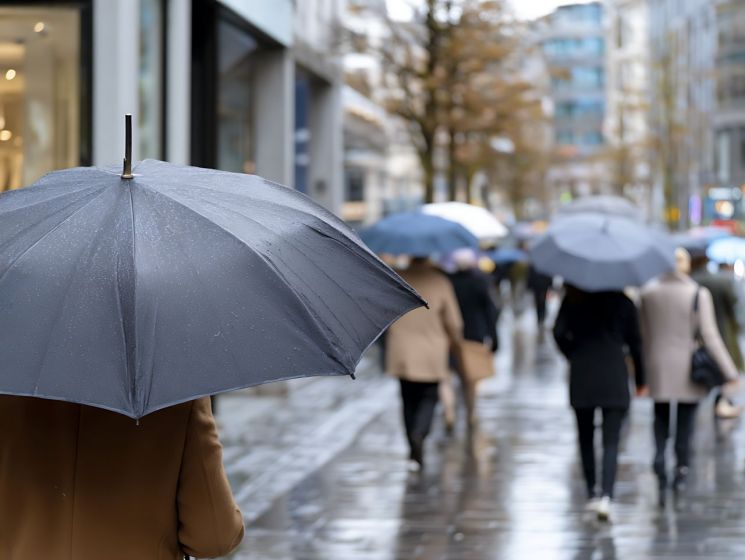
Ms. A, a woman in her late 60s living in an apartment in Buk-gu, Ulsan, went out after the Chuseok holiday to take care of the recycling she had postponed. She noticed the rain at the entrance a bit late, but feeling too lazy to go back for an umbrella, she ran to the recycling area in slippers, holding a cardboard box over her head with both hands. She slipped and fell. Unable to get up for a while, Ms. A was transported to a nearby hospital by emergency responders after bystanders called 119. She is currently hospitalized and receiving treatment for a fractured wrist after emergency surgery.
As outdoor activities increase in autumn, people tend to go out more even when it rains, raising the risk of slip-and-fall accidents on wet surfaces. This risk is particularly high for the elderly, as natural aging weakens joints, bones, and muscles, reducing strength and balance and making falls more likely.
Decreased reflexes and agility also mean that falls can result in more serious injuries, so extra caution is necessary.
As in Ms. A's case, building entrances on rainy days tend to be wet because people open and close their umbrellas there. If the entrance lobby or corridors are covered with marble, extra care is needed, as wet surfaces reduce friction and increase the risk of slipping. Not only building entrances but also curbs and stairs can be slippery, requiring attention.
When walking, make sure your umbrella does not block your view so you can spot obstacles. Most drains between sidewalks and roads are made of metal, which can be slippery or uneven, leading to missteps and falls. If you are wearing high heels, your heel could get stuck in a drain, causing you to trip or injure your ankle. When using stairs, it is advisable to hold onto the handrail.
If you fall on a rainy day, check the area of impact, the level of pain, and any bleeding. If there is no pain or bleeding, rest and apply an ice pack to any bruised area. However, if it is difficult to move or the pain worsens when you put weight on the area, a fracture may be suspected. In such cases, do not try to move unnecessarily and seek help from emergency services immediately.
Instinctively, people tend to break their fall with their hands. This puts body weight on the wrist and forearm, making fractures more likely. Many people who fall assume it is just a minor sprain and treat it lightly with over-the-counter patches or painkillers from the pharmacy. However, if the pain worsens and swelling increases over several days, they often end up visiting the hospital later, only to be diagnosed with a fracture that requires long-term treatment.
Delaying initial treatment can damage tissues around the fracture or result in serious complications. Therefore, if your wrist swells severely or pain is intense immediately after a fall, you should visit a hospital without delay and undergo diagnostic imaging such as X-rays or CT scans for proper treatment.
Fracture treatment is generally divided into surgical and non-surgical methods. Casting the fracture with plaster is a typical non-surgical treatment. If casting is not possible but surgery is unnecessary, complete rest is required until the fracture heals. Surgical treatments include realigning the broken bone and fixing it with metal hardware, or replacing it with an artificial joint. The most appropriate method is chosen by a specialist based on the patient's fracture condition and age.
Lee Heeseong, head of the Joint and Spine Center at Ulsan Elijah Hospital and an orthopedic specialist, stated, "Most elderly people have low bone density due to osteoporosis, so even a minor fall can result in a wrist fracture, spinal compression fracture, or femoral fracture. Recovery can take a long time, including extended hospitalization, and there is a risk of complications and deterioration in health. Therefore, it is important to take precautions against falls when it is raining or snowing."
He added, "If your hands, hips, or spine are severely swollen or painful after a fall, do not ignore it. Visit a hospital for diagnosis and treatment. Delaying treatment because you think pain is normal after a fall can lead to nerve damage or deformity of the fracture site, so caution is needed."
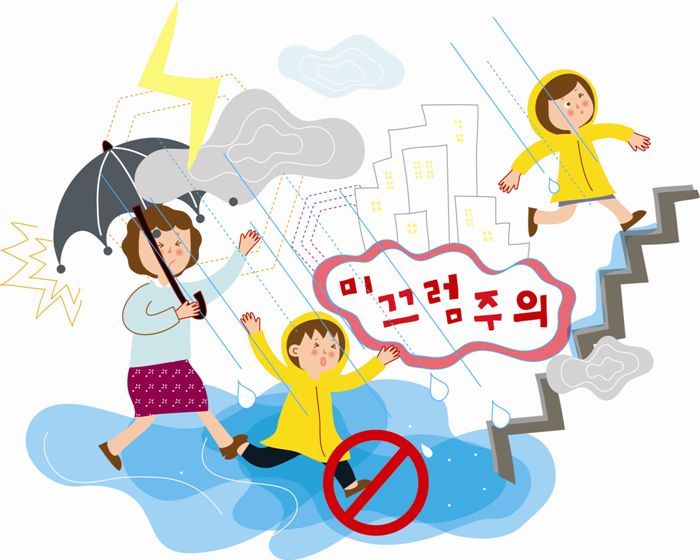 Prolonged autumn rain, slippery floors: Beware of fall accidents. Provided by Clipart Korea (not related to the report)
To prevent slip-and-fall accidents, it is important to avoid going out on rainy days whenever possible and to steer clear of areas that pose a risk of accidents. The elderly and vulnerable should use transparent umbrellas to better spot obstacles, and take care not to be distracted by phones or conversations while walking. Avoid running to escape the rain, wearing low-traction slippers, or high-heeled shoes; instead, opt for footwear with slip-resistant soles.
Even after the rain stops, avoid puddles and wet areas. It is advisable to choose an exercise routine that suits you and practice it regularly. For older adults, consuming foods or supplements rich in vitamin D and calcium can help maintain bone density.
© The Asia Business Daily(www.asiae.co.kr). All rights reserved.


















