Full Reflection of Second Supplementary Budget Execution
From January to August of this year, the national fiscal deficit reached 88.3 trillion won. This is the second-largest deficit on record since 2020, when government spending was significantly increased due to the pandemic. The deficit widened further compared to the previous month as the implementation of the second supplementary budget gained momentum.
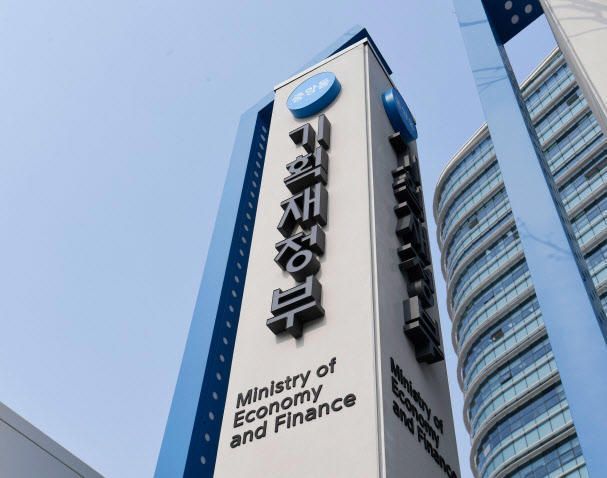
According to the “Monthly Fiscal Trends, October Edition” released by the Ministry of Economy and Finance on October 16, the managed fiscal balance posted a deficit of 88.3 trillion won. As of the end of August, this is the second-largest deficit since monthly managed fiscal balance data began to be compiled, following August 2020. In August 2020, when three rounds of supplementary budgets were executed in response to the pandemic, the managed fiscal deficit was 96 trillion won. The managed fiscal balance excludes the four major social security funds, such as the National Pension, and serves as an indicator of the government’s actual fiscal status. The consolidated fiscal balance, which subtracts total expenditures from total revenues, recorded a deficit of 53.7 trillion won.
Hwang Heejeong, Director of Fiscal Soundness at the Ministry of Economy and Finance, explained, “As the supplementary budget execution was fully reflected, the deficit widened significantly compared to the previous month (July). Since the total annual supplementary budget is 111 trillion won, the deficit is progressing in line with that scale.” In July, when the second supplementary budget execution was first reflected, the managed fiscal deficit stood at 86.8 trillion won. The second supplementary budget, approved and finalized by the National Assembly, amounts to a total of 31.8 trillion won.
As of the end of August, the national debt (central government debt) stood at 1,260.9 trillion won, an increase of 20.4 trillion won from the previous month, marking an all-time high. The size of government bonds issued last month was 21.5 trillion won.
As of the end of August, total revenue amounted to 431.7 trillion won, an increase of 35 trillion won compared to the same period last year. The increase in total revenue was due to rises in both tax revenue and non-tax revenue. Tax revenue reached 260.8 trillion won, up by 28.6 trillion won year-on-year. Corporate tax collections increased by 17.8 trillion won, and income tax rose by 9.6 trillion won. In contrast, value-added tax decreased by 1.2 trillion won. Non-tax revenue was 22.8 trillion won, an increase of 2.2 trillion won compared to the same period last year. Fund revenue also rose by 4.2 trillion won year-on-year, reaching 148.1 trillion won.
Total expenditures from January to August this year amounted to 485.4 trillion won, an increase of 38.4 trillion won compared to the same period last year. The budget execution rate was 68.1%, up 0.9% from a year earlier. General account spending increased by 32.1 trillion won, while fund spending rose by 5 trillion won.
© The Asia Business Daily(www.asiae.co.kr). All rights reserved.
!["The Woman Who Threw Herself into the Water Clutching a Stolen Dior Bag"...A Grotesque Success Story That Shakes the Korean Psyche [Slate]](https://cwcontent.asiae.co.kr/asiaresize/183/2026021902243444107_1771435474.jpg)
















