Pakistan-Afghanistan Border Clash Leaves Hundreds Dead and Injured
Taliban Expansion Triggers Conflict...Concerns Over Nuclear Seizure
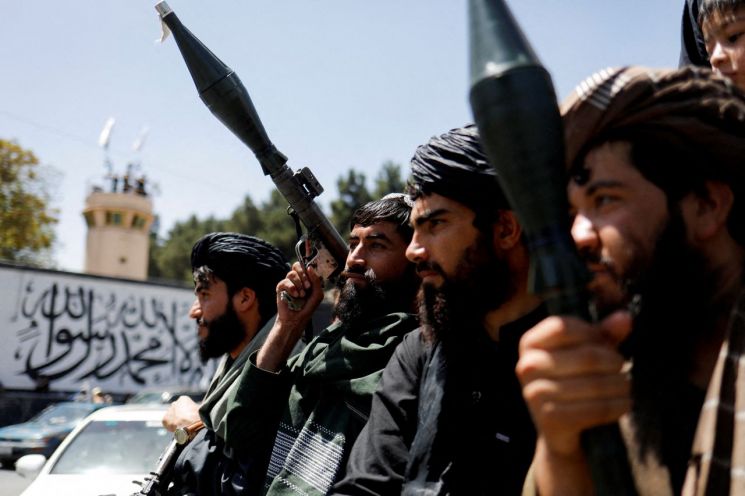
The 'Pakistani Taliban' organization, which triggered the armed conflict resulting in hundreds of casualties in the border region between Pakistan and Afghanistan, has come into the spotlight. This group, a faction of the Taliban currently ruling Afghanistan, operates throughout northwestern Pakistan and is putting military pressure on the Pakistani government. If the Taliban continues to expand its influence within Pakistan, there are concerns that they could seize some of Pakistan’s nuclear facilities or nuclear weapons.
'Pakistani Taliban' Sparked the Pakistan-Afghanistan Border Clash
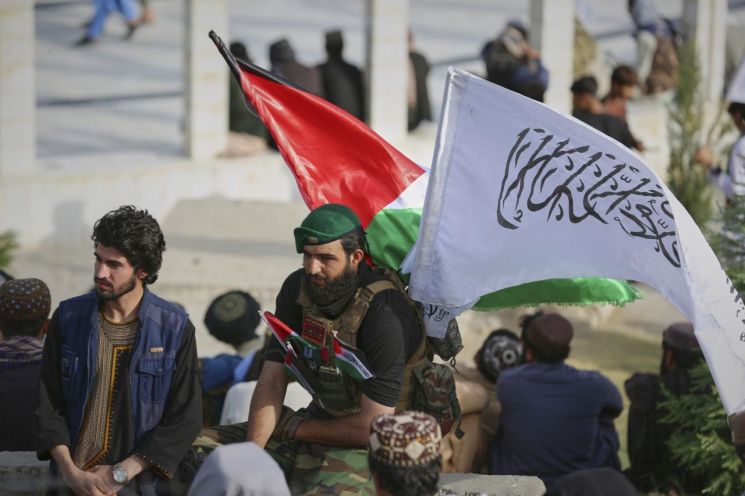
The conflict in the border area between Pakistan and Afghanistan began on October 9 (local time), after the Pakistani military bombed Kabul, the capital of Afghanistan, and several other cities. Following this, the Taliban launched a counterattack, resulting in clashes in the border region that caused more than 250 casualties on both sides.
The Pakistani government stated that the airstrikes were an operation targeting the leadership of the Pakistani Taliban, who have been inciting unrest within Pakistan. At a press conference on October 12, Pakistani military commander Ahmed Sharif Chaudhry said, "The Pakistani Taliban are using Afghanistan as a base for terrorist operations," adding, "We took the necessary measures to protect the lives and property of our people."
On the day of the Pakistani military’s airstrike on Kabul, October 9, it was reported that Noor Wali Mehsud, the leader of the Pakistani Taliban, was visiting Afghanistan. After the airstrikes, rumors spread that Mehsud had disappeared from public view and had died. In response, the Pakistani Taliban released an audio message from Mehsud, denying the rumors of his death.
The Pakistani Taliban, which has emerged as a source of tension between Pakistan and Afghanistan, is a regional Taliban organization established in northwestern Pakistan in 2007. The group grew in size as some Taliban members who were driven out of Afghanistan after the 2001 war joined forces with the indigenous Pashtun people of northwestern Pakistan. Currently, they control most of the Khyber Pakhtunkhwa region in northwestern Pakistan and frequently engage in skirmishes with the Pakistani military.
The Pakistani government has criticized the Taliban regime ruling Afghanistan for providing military support to the Pakistani Taliban from behind the scenes. In response, the Taliban denies any interaction with the group and rejects claims of military ties.
Western Authorities Also on Alert Over Taliban Expansion...Concerns Over Pakistan’s Nuclear Weapons
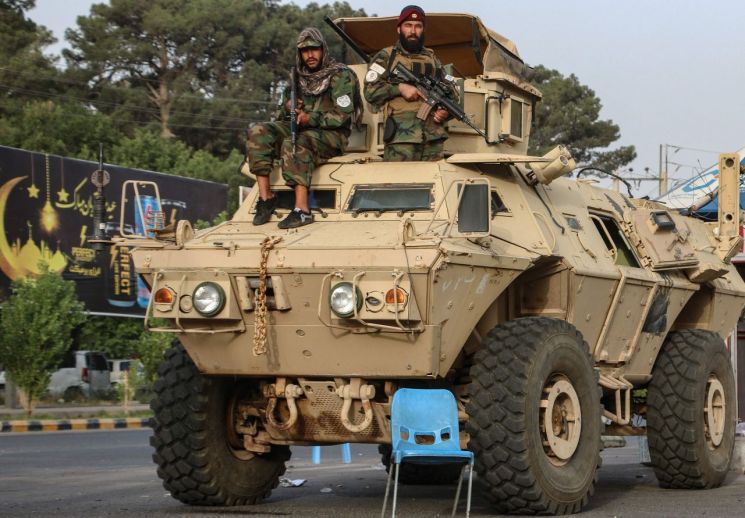
Not only the Pakistani government but also the United States and Western authorities are concerned about the expansion of Taliban influence. In particular, since Pakistan possesses a significant number of nuclear weapons and nuclear facilities, there are growing concerns that the Taliban could potentially seize these nuclear assets.
According to a report released by the United Nations in July, the Pakistani Taliban organization is receiving military support, including weapons and food, from the Taliban government in Afghanistan. Their forces are estimated to number between 30,000 and 35,000. The Pakistani government has attempted to curb the expansion of the Pakistani Taliban by expelling up to one million Afghan refugees last year, but has not been able to eradicate the group easily.
If the Pakistani Taliban continues to expand its influence in coordination with the Afghan Taliban government, there is a possibility that they could seize nuclear facilities or nuclear weapons within Pakistan. Officially, Pakistan possesses four nuclear power plants and is estimated to have about 170 nuclear warheads. In January, Pakistan and India, which are currently engaged in disputes in the border region, shared lists of their nuclear facilities and renewed a treaty prohibiting attacks on these facilities in order to prevent a mutual nuclear war.
The Times of India pointed out, "The Pakistani government is in a predicament and faces a tough fight," adding, "If the Taliban regime continues to expand its influence in coordination with the Pakistani Taliban, the safety of Pakistan's nuclear facilities and nuclear weapons could also be at risk."
© The Asia Business Daily(www.asiae.co.kr). All rights reserved.
![Clutching a Stolen Dior Bag, Saying "I Hate Being Poor but Real"... The Grotesque Con of a "Human Knockoff" [Slate]](https://cwcontent.asiae.co.kr/asiaresize/183/2026021902243444107_1771435474.jpg)


















