Establishment and Implementation of the "Gyeonggi-Style Comprehensive Livestock Quarantine Plan"
Responding to Evolving Quarantine Challenges: Five Key Strategies and Seventeen Detailed Tasks
Gyeonggi Province announced on October 12, 2025, that it will proactively respond to ongoing livestock infectious diseases such as highly pathogenic avian influenza and African swine fever by increasing the proportion of its independent projects within the quarantine budget from 17% to 30% between 2025 and 2029, investing approximately 73.2 billion won over five years.
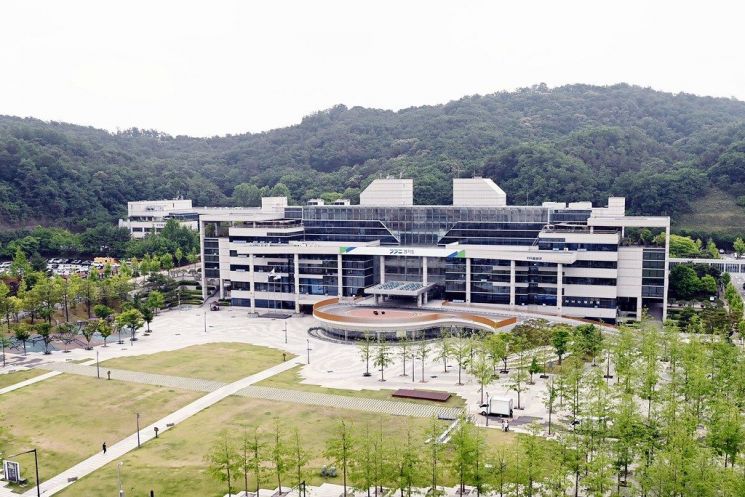
Gyeonggi Province stated that it has established a "Gyeonggi-Style Comprehensive Livestock Quarantine Plan" containing these measures and will begin implementing it this month.
The core of this plan is to move away from the existing state-led and reactive quarantine system, shifting instead to a preventive, proactive approach tailored to the realities of Gyeonggi Province, and to promote autonomous quarantine led by local communities and the private sector.
Accordingly, the province plans to invest approximately 73.2 billion won from 2025 to 2029 to focus on the prevention and rapid response to major livestock infectious diseases, including highly pathogenic avian influenza (AI), African swine fever (ASF), and foot-and-mouth disease. In particular, the province will introduce a smart quarantine system based on big data and artificial intelligence to manage high-risk areas and farms differentially, and will significantly expand collaboration with private quarantine personnel and disease diagnosis institutions.
At the same time, the province aims to systematically implement five key strategies and 17 detailed tasks to actively respond to newly emerging diseases and expand cooperation with the private sector. The five strategies are: ▲ Strengthening the establishment of a preventive quarantine system ▲ Gradually expanding quarantine infrastructure ▲ Enhancing quarantine work capabilities ▲ Transitioning farms to autonomous quarantine ▲ Expanding private sector collaboration.
In the area of establishing a preventive and proactive quarantine system, the province will invest 24.9 billion won (8.6 billion won from the provincial budget) in five projects: support for livestock disease prevention medicines, support for blocking wild birds and animals, support for compensation for poultry farm operation suspensions, establishment of a verification system for foot-and-mouth disease vaccination, and establishment of a goat disease monitoring system.
For the gradual expansion of quarantine infrastructure, the province will invest 26.1 billion won (9.9 billion won from the provincial budget) in three projects: creating advanced quarantine farms, strengthening the operation of core disinfection facilities and control posts, and establishing BL3 (biosafety level 3) diagnostic facilities.
To enhance quarantine work capabilities, the province has allocated 6.2 billion won (6.2 billion won from the provincial budget) to three projects: revitalizing institutional improvement through the surveillance council, supporting the development of quarantine officers' capabilities through international seminars, and revitalizing and strengthening the expertise of the local livestock quarantine deliberation committee.
For the transition to autonomous quarantine at farms, the province will invest 1.6 billion won (1.6 billion won from the provincial budget) in four projects: strengthening promotion of livestock quarantine and livestock product safety management, expanding participation in the assignment of quarantine standards for layer farms, and providing customized autonomous quarantine consulting for pig farms.
In the area of expanding private sector collaboration, the province will invest 14.1 billion won (7.7 billion won from the provincial budget) in three projects: cost estimation services for public animal health work, increasing and expanding the scope of allowances for contract veterinarians, and implementing joint tuberculosis testing projects.
Lee Kangyoung, Director of the Livestock and Animal Welfare Bureau of Gyeonggi Province, said, "Through Gyeonggi Province's tailored quarantine policies and public-private cooperation, we will ensure both the stable income of livestock farmers and the safety of our residents. Based on communication with the field, we will continue to expand quarantine infrastructure and lead the transition to a preventive, advanced quarantine system."
© The Asia Business Daily(www.asiae.co.kr). All rights reserved.

















