Considering Ongoing Negotiations with Multinational Pharmaceutical Companies
Reports have emerged that the administration of former U.S. President Donald Trump has decided to postpone the implementation of a "100% tariff" on imported pharmaceuticals, which was scheduled to take effect on October 1 (local time).
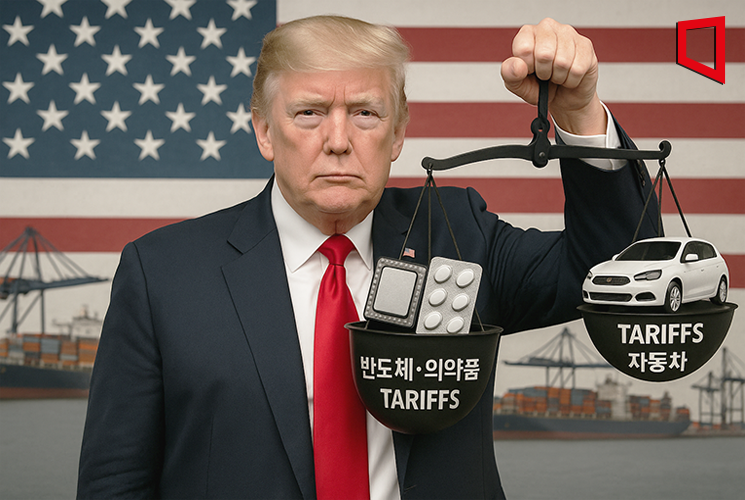
According to the U.S. political media outlet Politico, a White House official stated that the administration has temporarily halted plans to impose tariffs on pharmaceuticals while negotiations are ongoing with multinational pharmaceutical companies.
Previously, on September 25, President Trump announced on the social media platform Truth Social, "If you are not building pharmaceutical manufacturing plants in the United States, starting from the 1st, a 100% tariff will be imposed on all branded pharmaceuticals (products sold under specific brand names that are generic versions of original drugs whose patents have expired) or patented pharmaceuticals."
As of the afternoon of October 2, there has been no news that President Trump has signed any executive order or similar measure to formalize this social media announcement. The delay in imposing pharmaceutical tariffs is due to ongoing negotiations with major foreign pharmaceutical companies.
Following President Trump's announcement of the "100% tariff" plan on pharmaceuticals, Pfizer was the first to respond. On September 30, Pfizer announced plans to lower the prices of new drugs sold in the United States and invest 70 billion dollars (98 trillion won) in the U.S. market. In response, President Trump promised a "three-year tariff exemption" for Pfizer.
As other multinational pharmaceutical companies are also negotiating with the U.S. government regarding investments in the United States and price reductions for products sold in the U.S., the United States is currently moving to delay the schedule for imposing pharmaceutical tariffs.
© The Asia Business Daily(www.asiae.co.kr). All rights reserved.
!["The Woman Who Threw Herself into the Water Clutching a Stolen Dior Bag"...A Grotesque Success Story That Shakes the Korean Psyche [Slate]](https://cwcontent.asiae.co.kr/asiaresize/183/2026021902243444107_1771435474.jpg)
















