Stricter Scrutiny of Western Equipment
Chinese Market Share Drops from 12% to 4%
On October 2, the Financial Times (FT) reported that the Chinese government is restricting the use of Western equipment in its domestic telecommunications networks, aiming to separate its core technology infrastructure from the West.
According to two sources, FT stated that a Chinese state-owned IT equipment procurement agency has begun to scrutinize and monitor overseas bids more closely.
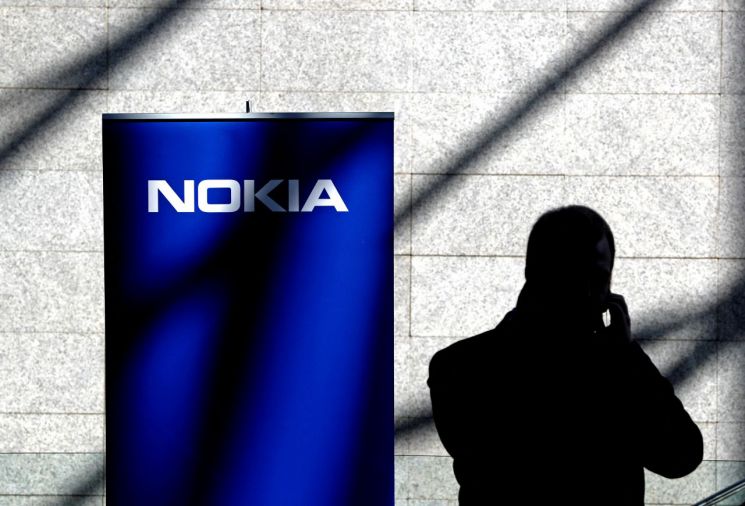
Contracts signed by Sweden’s Ericsson and Finland’s Nokia must undergo a “black box” national security review by the Cyberspace Administration of China (CAC). These companies are not informed about the criteria by which their equipment is evaluated.
This review process can take more than three months. Sources said that even if European companies receive final approval, the lengthy and uncertain review procedures often leave them at a competitive disadvantage compared to Chinese rivals who are not subject to such regulations.
One source remarked, “If China is taking these measures for national security reasons, why doesn’t Europe respond by applying the same standards?”
The Chinese authorities’ efforts to exclude European equipment intensified after the 2022 amendment to the Cybersecurity Law. Operators of critical information infrastructure are now required to submit all procurement cases that may pose security risks to the CAC.
According to officials familiar with these regulations, state-owned buyers of telecommunications equipment now require bidders to submit detailed documentation, including all system components and the proportion of local sourcing. Foreign companies are supplementing their documents with details about their research and development (R&D) activities in China. Buyers send these detailed documents to the CAC, which reviews them and directly notifies whether the purchase may proceed.
According to Stefan Pongratz, an analyst at market research firm Dell’Oro Group, these Chinese regulations caused the combined market share of Ericsson and Nokia in China’s mobile network market to plummet from 12% in 2020 to about 4% last year.
The European Union Chamber of Commerce in China recently stated that local content requirements in the IT and telecommunications sectors are threatening the very existence of European technology companies.
European authorities have also raised security concerns, warning of espionage risks and potential backdoor access associated with Chinese telecommunications equipment providers. However, most countries have been reluctant to implement bans due to the low prices of Chinese equipment and diplomatic concerns regarding China.
According to regulatory research firm Cullen International, as of June this year, only 10 out of 27 EU member states had adopted restrictions, about five years after the European Commission recommended excluding high-risk suppliers such as Huawei and ZTE.
Dell’Oro Group reports that Huawei and ZTE maintain a 30-35% market share in the European mobile infrastructure market, a decline of 5-10 percentage points compared to 2020.
According to Strand Consult, 59% of the 5G equipment installed in Germany is supplied by Chinese companies. Germany plans to phase out high-risk Chinese suppliers by 2029. However, Strand noted, “All mobile network equipment in Berlin is made in China,” adding, “Germany does not want to worsen relations with China because it has major corporations in sectors like chemicals and automobiles.”
© The Asia Business Daily(www.asiae.co.kr). All rights reserved.
![Clutching a Stolen Dior Bag, Saying "I Hate Being Poor but Real"... The Grotesque Con of a "Human Knockoff" [Slate]](https://cwcontent.asiae.co.kr/asiaresize/183/2026021902243444107_1771435474.jpg)
















