"Follow the Principles of Advance Preparation, Lifestyle Management, and Emergency Response"
The extended holiday period can be a particularly risky time for patients suffering from chronic diseases such as hypertension, diabetes, arthritis, and heart disease. This is because the usual daily routine is disrupted, and individuals are more easily exposed to health threats such as fatty and salty holiday foods, long-distance travel, and excessive housework.
Kim Yumi, Head of the Endocrinology Department at Incheon Himchan General Hospital, stated on October 5, "Neglecting to take medication or giving up on dietary control during a long holiday can lead to emergencies," and advised, "If patients and their families adhere to three key principles-advance preparation, lifestyle management, and emergency response-they can enjoy a safe holiday."
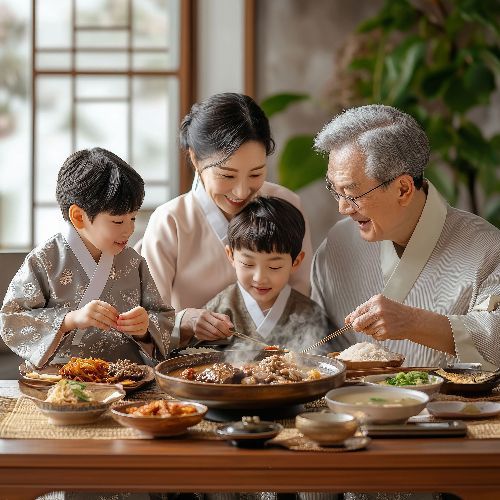
Traditional Chuseok holiday meals often include high-calorie, high-fat, and high-sodium foods such as songpyeon (rice cakes), jeon (Korean pancakes), japchae (stir-fried glass noodles), hangwa (traditional sweets), and sikhye (sweet rice drink). In particular, three pieces of songpyeon (90g) contain about 35g of carbohydrates, which is equivalent to half a bowl of rice. When combined with other dishes, people may consume two to three times more calories and sugar than usual, leading to elevated blood sugar and blood pressure, which is especially dangerous for those with chronic illnesses.
Diabetes patients should avoid foods high in carbohydrates. Songpyeon intake should be limited to one or two pieces per day, and japchae should be made with vegetables instead of glass noodles. For beverages, water or barley tea is recommended instead of sikhye or sujeonggwa (cinnamon punch). Fruit intake should also be limited to small amounts, such as one-third of an apple or pear, or about 10 grapes per day. Hypertension patients should avoid salty foods such as stews, soups, and salted seafood, and make an effort to eat less salty dishes. When eating jeon, it is better to pair them with vegetables instead of soy sauce. Kidney disease patients should avoid high-potassium foods that can cause hyperkalemia, such as dried persimmons, bananas, and taro soup.
To reduce calorie intake, changing the order of eating can be effective. Instead of starting with rice, begin with vegetables or greens (fiber), then move on to tofu or lean meat (protein), and finish with rice (carbohydrates). Consuming dietary fiber first helps stabilize blood sugar and insulin secretion, and naturally reduces carbohydrate intake, which is a major cause of blood sugar spikes. Eating vegetables and greens first also slows down the absorption of sodium in the stomach. Using smaller plates can also help control portion sizes.
For patients with spinal or joint conditions, long-distance travel and housework are risk factors. It is important to minimize physical strain through posture correction and distributing physical effort. When traveling by car, place a small cushion behind the lower back to maintain the natural curve of the spine, and stop every one to two hours to stretch or move lightly for five minutes.
When preparing holiday meals, avoid sitting on the floor or squatting. Instead, use a table or sink and either stand or sit on a high chair while cooking. Since repetitive motions are common when using a frying pan or washing dishes, those with wrist joint pain should wear a wrist brace in advance.
Kim Taeseop, Director of Orthopedics at Bupyeong Himchan Hospital, said, "During the holiday period, the most commonly overlooked issue is sitting directly on the floor or squatting, and maintaining the same posture for long periods," adding, "Patients with arthritis or lower back pain often visit the hospital due to pain caused by temporary housework or prolonged travel."
Patients with cardiovascular or respiratory diseases may face emergencies during the long holiday. In particular, those with myocardial infarction, angina, or chronic obstructive pulmonary disease (COPD) may experience sudden chest pain or difficulty breathing. Such patients should keep a list of their regular medications, their doctor's contact information, and the names of their underlying conditions in their wallet. If sudden chest pain, dizziness, or shortness of breath occurs, they should call 119 immediately.
For dialysis patients, the dialysis schedule is directly linked to survival. Even a single missed session can lead to electrolyte imbalance, edema, or worsening kidney failure. Before traveling home for the holidays, patients should consult with their medical team to adjust their dialysis schedule and check in advance for hospitals near their destination that can provide dialysis treatment.
During extended holidays, medical institution operations are often reduced, so it is essential to check the emergency medical network in advance. Through the Ministry of Health and Welfare call center, local call centers, and the emergency situation management center (119), patients can find out which hospitals and pharmacies are open during the holidays. Hospital locations and contact information can also be found on the emergency medical portal.
© The Asia Business Daily(www.asiae.co.kr). All rights reserved.
!["The Woman Who Threw Herself into the Water Clutching a Stolen Dior Bag"...A Grotesque Success Story That Shakes the Korean Psyche [Slate]](https://cwcontent.asiae.co.kr/asiaresize/183/2026021902243444107_1771435474.jpg)
















