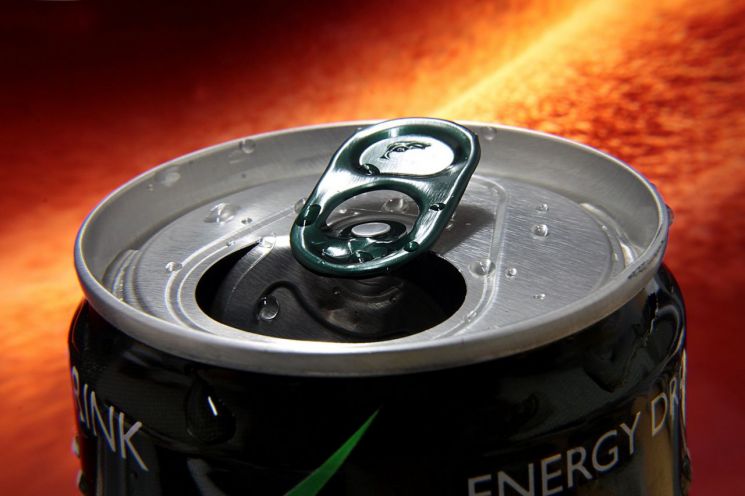
Portuguese health authorities are considering a ban on the sale of energy drinks to minors.
On September 30 (local time), Euronews reported that the Directorate-General of Health (DGS), under the Portuguese Ministry of Health, plans to prohibit advertising targeting those under the age of 16 and to ban the sale of energy drinks in public schools.
The DGS told Euronews, "In addition to regulating advertising and restricting sales in certain public places, additional measures may be necessary to reduce youth access to and consumption of these drinks. For example, we are considering restricting sales to specific population groups, such as children and adolescents."
The DGS also cited the United Kingdom's policy of restricting energy drink sales to those under 16 as an example, stating, "Just as the sugar tax has spread, this measure could also be adopted by other countries." The DGS added, "Portugal is closely monitoring the effects of this measure in the UK, as well as the related scientific evidence. If its effectiveness is proven, Portugal will also pursue a similar proposal."
Currently, there are no legal restrictions in Portugal on the sale of energy drinks to minors. However, similar discussions are already underway in several countries, including Spain, Germany, Slovenia, and Hungary. Norway implemented a ban on sales to those under 16 starting in January 2025. In the United Kingdom, it is estimated that one in three children consumes energy drinks every week. Despite most supermarkets having already voluntarily banned sales to minors, consumption remains high. As a result, the UK government is conducting a 12-week public consultation, gathering evidence from health and education experts, the general public, manufacturers, and retailers.
In Portugal, supermarket sales of energy drinks increased by about 50% in just two years. According to the DGS, several international studies have revealed that energy drink consumption among adolescents and young adults is very high and continues to rise. Specifically, about 44.5% of teenagers consumed energy drinks at least once in the past year, and about 33.5% consumed them at least once in the past month.
A single 500ml can of energy drink contains as much sugar as 14 packets of 4g sugar each. Its caffeine content is equivalent to that of five 330ml cans of Coca-Cola. As a result, energy drinks can cause increased heart rate, nervousness, headaches, insomnia, dehydration, dizziness, anxiety, irritability, hand tremors, high blood pressure, and gastrointestinal disorders. The risk is particularly heightened among adolescents who commonly mix energy drinks with alcohol.
© The Asia Business Daily(www.asiae.co.kr). All rights reserved.

















