Following the Pfizer Deal,
Administration Shifts Focus to Negotiations with Major Pharmaceutical Companies
The plan to impose a 100% tariff on imported pharmaceuticals, which U.S. President Donald Trump had announced would take effect from October 1, has been temporarily postponed.
On October 1 (local time), political news outlets such as Politico and The Hill reported that the Trump administration has temporarily suspended the tariff imposition in order to focus on negotiations with major pharmaceutical companies.
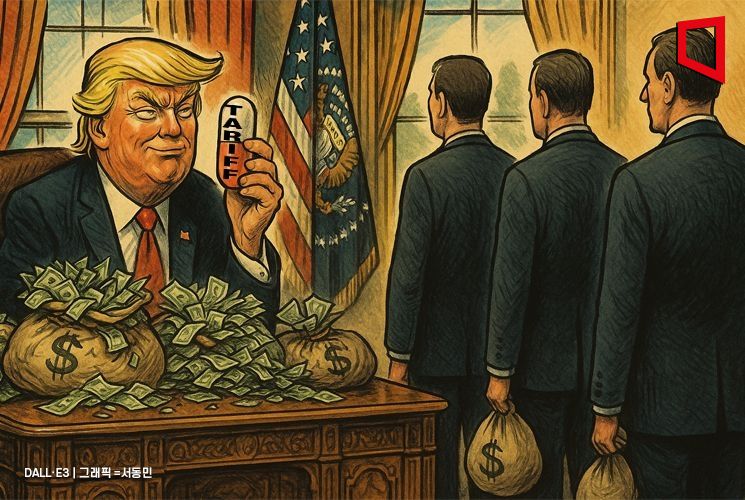
Previously, President Trump had launched an investigation on April 1 of this year into the impact of pharmaceutical imports on national security, based on Section 232 of the Trade Expansion Act. In an interview with CNBC in August, he mentioned that after imposing a small tariff on pharmaceuticals, he would gradually increase the rate to 150% within one to one and a half years, and eventually up to 250%.
Subsequently, on September 25, he heightened industry concerns by announcing via Truth Social that "pharmaceutical companies that do not build factories in the United States will face a 100% tariff starting October 1." However, confusion arose because it is difficult to distinguish between branded and patented drugs using HS codes, and the method for exempting companies with ongoing construction from the tariff system had not been clarified.
According to White House officials, the Trump administration temporarily suspended the tariff plan following a contract signed with Pfizer on September 30. Under this agreement, Pfizer will invest $70 billion (approximately 98 trillion won) to strengthen its pharmaceutical manufacturing capacity in the U.S. and will participate in the Trump administration's direct-purchase platform, 'TrumpRx.gov,' to supply low-cost pharmaceuticals. In return, Pfizer will receive a three-year exemption from tariffs imposed under Section 232 of the Trade Expansion Act.
President Trump referred to the Pfizer case as "a model for other pharmaceutical companies to follow" and stated that "similar announcements will be made next week." On the other hand, he sent a message that companies not participating in negotiations would "face tariffs."
On the same day, President Trump finalized the details of tariffs on imported lumber by signing a proclamation on September 29, as announced via Truth Social. From October 14, tariffs of 10% to 25% will be imposed by item, and after a 2.5-month grace period, the maximum tariff rate will rise to 30% to 50% starting January 1 of next year.
In contrast, for pharmaceutical tariffs, neither an executive order nor a proclamation has been issued, so the official implementation date has not been set. There are also concerns that the imposition of tariffs could be delayed due to administrative staff and procedural setbacks caused by the federal government shutdown that began on October 1. For the time being, the Trump administration is expected to focus its policy on encouraging global pharmaceutical companies to lower branded drug prices (applying the most-favored-nation pricing) and to expand investments in U.S. manufacturing facilities through contracts similar to the one with Pfizer.
© The Asia Business Daily(www.asiae.co.kr). All rights reserved.

















