Increased Risk of Family Car Accidents and Drunk Driving During Chuseok Holiday
Check the Coverage of Key Insurance Riders... Free Inspection Services from Insurers Can Help
In Case of a Traffic Accident, Report the Incident and Move to a Safe L
With the upcoming National Foundation Day on October 3 and an extended Chuseok holiday period compared to usual, the number of people using their vehicles is expected to increase. During such times, the likelihood of accidents also rises, so it is advisable to thoroughly check your vehicle in advance and ensure that you have appropriate insurance coverage.
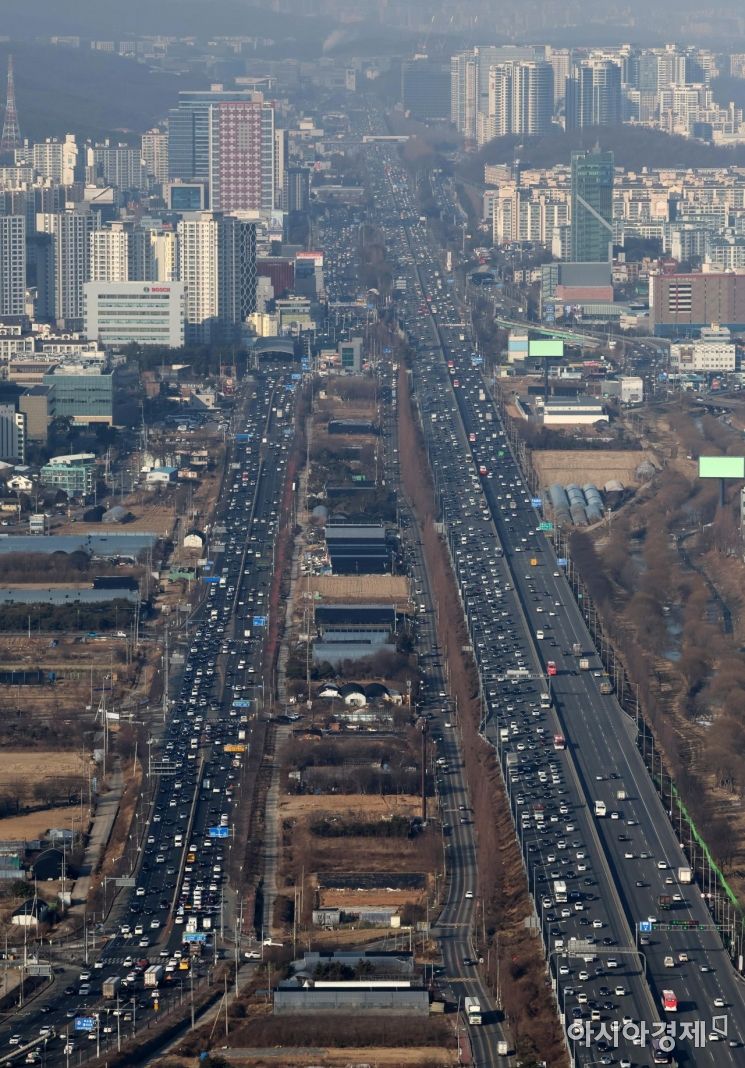 Vehicles are moving slowly on the Gyeongbu Expressway near Singal JC in Yongin-si, Gyeonggi Province during the holiday period. Photo by Kim Hyunmin
Number of Victims per Accident 1.6 Times Higher During Chuseok Holiday
According to the Insurance Development Institute and the General Insurance Association on October 1, the number of accidents on the day before the start of the Chuseok holiday increased by 21% compared to regular days over the past five years (2020-2024). Although the total number of accidents during the Chuseok holiday period was 23% lower than on regular days, the number of victims per accident was 1.6 times higher. This is likely due to increased family travel. The number of victims under the age of 20, including children and adolescents (766), was 2.1 times higher than usual.
Looking at the proportion of accidents occurring outside drivers’ residential areas, there was little difference on the day before and the day after the holiday compared to regular days. However, during the holiday itself, accidents were more frequent than usual. By accident type, rear-end collisions occurring on Chuseok day accounted for the largest share.
As for the times when accident victims were most frequent during the Chuseok holiday, the peak was between 4:00 and 6:00 p.m. on the day before the holiday, and between 12:00 and 4:00 p.m. during the holiday. On Chuseok day, 44% of victims were concentrated between 12:00 and 4:00 p.m., which is 15 percentage points higher than on regular days.
The number of victims from drunk driving accidents on Chuseok day was 1.4 times higher than usual. On the day before and the day after the holiday, the number of victims from unlicensed driving accidents increased by 1.6 times and 1.4 times, respectively, compared to regular days.
Key Precautions When Using Vehicles During the Holiday
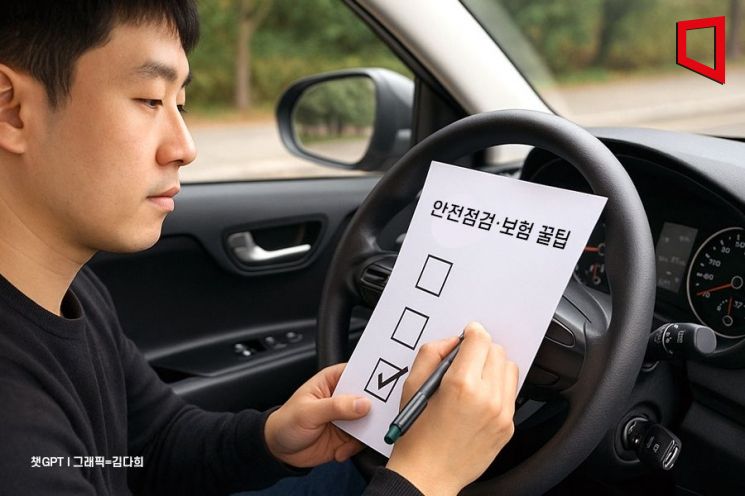
During the Chuseok holiday, traffic volume increases and long-distance driving becomes more common, so drivers should thoroughly inspect their vehicles before driving and pay close attention to safe driving. Before departure, it is essential to check the battery, tire pressure and wear, engine oil, coolant, and brakes in advance.
Since there are often more passengers per vehicle due to family travel during the Chuseok holiday, and because drunk and unlicensed driving also increase, all passengers must fasten their seat belts and traffic laws must be strictly observed.
Because rear-end collisions are more common, it is important to take a break every two hours to prevent drowsy driving and to maintain sufficient distance between vehicles.
For long-distance driving with multiple drivers, check your insurance policy to confirm whether the drivers are covered, and consider adding a rider to expand the coverage if necessary.
The "Short-term Driver Expansion Rider" provides the same coverage as your own insurance if another person drives your car and has an accident. The "Other Vehicle Driving Rider" covers bodily injury, property damage, and personal accident when you or your spouse drive someone else’s vehicle. If you are using a rental car, the "Rental Car Damage Rider" is useful, as it covers damage to the rental car and loss-of-use fees in the event of an accident. "One-day Auto Insurance" is a policy that can be purchased on a daily basis (or hourly with some companies) and covers damages from accidents that occur while driving another vehicle.
It is also a good idea to use the free pre-inspection services offered by general insurance companies. Major insurers plan to provide free services such as tire pressure checks and oil inspections at their nationwide branches right up until the start of the holiday period.
How to Respond in Case of an Emergency While Driving
If an emergency such as a dead battery or a flat tire occurs, it is helpful to immediately use your insurer’s 24-hour emergency roadside assistance service. This service includes jump-starting the battery, tire repair or replacement, towing, and emergency fuel delivery. With the increase in long-distance travel, you can also purchase a rider that extends the towing distance if needed. For electric and hydrogen vehicles, which have seen a sharp increase recently, the lack of charging and repair stations means long-distance towing is more likely, making the extended towing distance rider even more advantageous.
If a traffic accident occurs, you should quickly report the accident to your insurer and evacuate to a safe location. If you receive a text message or phone call through the "Emergency Evacuation Notification Service" while stopped on the highway due to an accident or breakdown, you must follow the provided instructions. Since June 28 of last year, Korea Expressway Corporation has been providing rapid evacuation guidance to drivers at risk of secondary accidents on highways.
If your vehicle is flooded due to autumn heavy rain, do not attempt to start the engine and evacuate immediately to a safe place. As typhoons and localized heavy rains can still cause vehicle flooding in October, it is essential to check the weather before departure. If you only have own-damage insurance that covers car-to-car accidents, you may not be compensated for flood damage, so it is important to check whether you have the "Single Vehicle Accident Damage Compensation Rider."
© The Asia Business Daily(www.asiae.co.kr). All rights reserved.


















