Gestational Diabetes as a Cause
Need for Lifestyle Improvements
Recently, there has been a warning that the increasing rate of babies born weighing over 4 kilograms poses health risks for both mothers and babies.
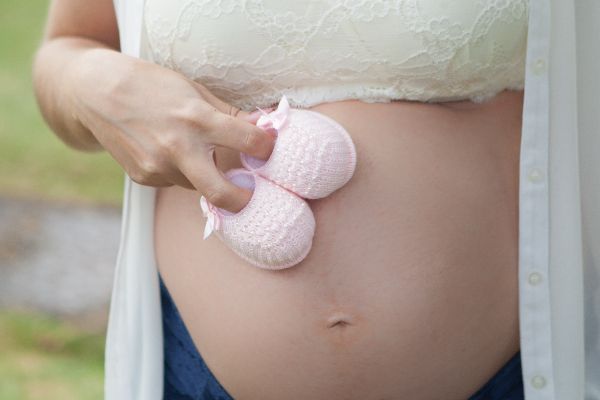
According to a recent report by the British Daily Mail, Dimitrios Siassakos, a professor of obstetrics and gynecology at University College London (UCL), stated, "Babies are getting bigger than they used to be," and pointed out, "Originally, about 10% should fall into the 'macrosomia' category, but the actual proportion is much higher."
'Macrosomia' refers to babies who weigh 4 kilograms or more at birth. As Professor Siassakos mentioned, typically about 10% of all newborns fall into this category, but recent analyses show that this proportion has steadily increased over the past several decades. The problem with macrosomia is that it can cause health issues for both the mother and the baby.
Experts identify 'gestational diabetes' and 'obesity' as the main causes of macrosomia. Gestational diabetes refers to a condition in which the mother's body cannot produce enough insulin during pregnancy, making it difficult to control blood sugar levels. While it can occur at any time during pregnancy, it is most often diagnosed after the second trimester. Gestational diabetes can develop not only in overweight mothers but also in those who are thin or underweight.
If blood sugar is not controlled during pregnancy, the fetus's weight may increase. This can raise the risk of complications for both the mother and the newborn during delivery. Studies have shown that babies with macrosomia born to mothers with gestational diabetes are at higher risk of developing chronic conditions such as diabetes, high blood pressure, and asthma as they grow. Mothers are also reported to have about four times the risk of developing diabetes later in life compared to women without this condition.
Macrosomia can be classified as either symmetrical or asymmetrical. Symmetrical macrosomia occurs when the abdominal circumference increases proportionally with body length, and it is often seen in babies born to taller parents. In such cases, the larger body size usually does not cause significant problems. However, asymmetrical macrosomia is characterized by a disproportionately large abdomen, chest, and shoulders compared to body length, along with higher body fat, which increases the risk of difficult labor and neonatal complications. The baby may experience shoulder dystocia, where the shoulders get stuck in the birth canal, or brain damage due to lack of oxygen. The mother may also face prolonged labor or require emergency cesarean section, increasing the risk of complications.
However, experts emphasize that early diagnosis and management can greatly reduce the risk of complications. Professor Siassakos explained, "Even women with normal weight should pay attention to potential symptoms," and added, "Managing lifestyle habits alone can have a significant preventive effect." He further stated, "No dramatic changes are needed. Just a little attention to exercise and diet can greatly reduce the long-term risk of diabetes for both mother and baby."
© The Asia Business Daily(www.asiae.co.kr). All rights reserved.

















