Tattooist Act Passes National Assembly Plenary Session
Set to Take Effect in Two Years
Tattoo procedures performed by non-medical professionals have been legalized for the first time in 33 years.
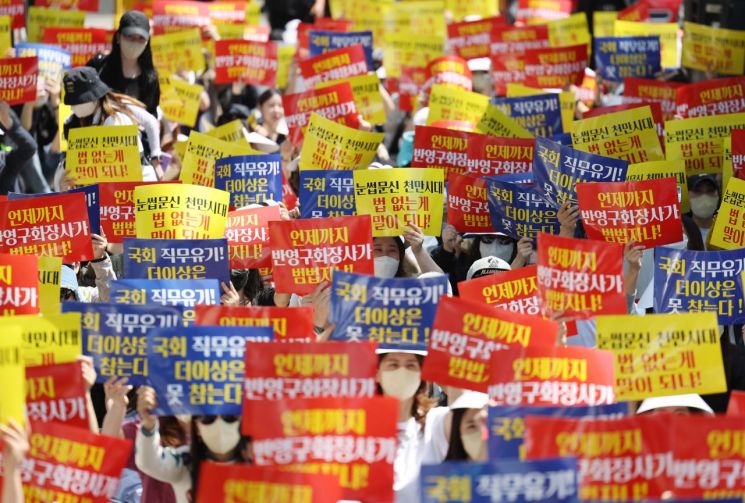
The Ministry of Health and Welfare announced that the "Tattooist Act," which allows non-medical professionals to perform tattoo procedures, passed the plenary session of the National Assembly on September 25.
A tattoo procedure refers to the act of using needles and tattoo ink to engrave letters, images, eyebrows, and more onto a person's skin. Although tattoos for cosmetic and aesthetic purposes have often been performed by non-medical professionals, such acts were inevitably subject to punishment as violations of the Medical Service Act due to concerns about infection risks from invasive procedures.
The new act defines both tattoos and semi-permanent makeup as "tattoo procedures" and grants exclusive rights to perform them only to those who have passed a national examination and obtained a license as tattooists. However, tattoo removal remains prohibited. Tattoo procedures performed by medical professionals are classified as medical practices under the Medical Service Act and may only be conducted in medical institutions.
Tattoo parlors where tattooists perform procedures must meet certain facility and equipment requirements and register their business with city, county, or district authorities. They are also required to purchase liability insurance to cover user damages and are prohibited from making false or misleading advertisements.
In addition, tattoo procedures are prohibited for minors without parental consent, and tattooists are required to complete mandatory hygiene and safety training to protect public health and safety. In the event of an emergency during a tattoo procedure, the client must be transferred to an emergency medical facility. Tattooists are also required to keep records of the date of the procedure, types and amounts of ink used, as well as the location and scope of the tattoo.
The law is set to take effect two years after its promulgation, and for up to two years after implementation, special provisions such as temporary registration will apply.
Minister of Health and Welfare Chung Eun-kyung stated, "The reality that tattoo procedures by non-medical professionals have become widespread was not reflected in our laws and systems. Through the Tattooist Act, which was established after extensive social discussion and consultation, the tattoo industry can now operate safely and soundly within an institutional framework, and the rights and interests of both clients and practitioners are better protected."
© The Asia Business Daily(www.asiae.co.kr). All rights reserved.

















