Lottery System Overhauled Following $100,000 Fee Hike
The Donald Trump administration has raised the H-1B visa application fee to $100,000 and is also changing the lottery system for this visa. Under the new system, applicants with higher salaries will be given more chances in the lottery, proportional to their income.
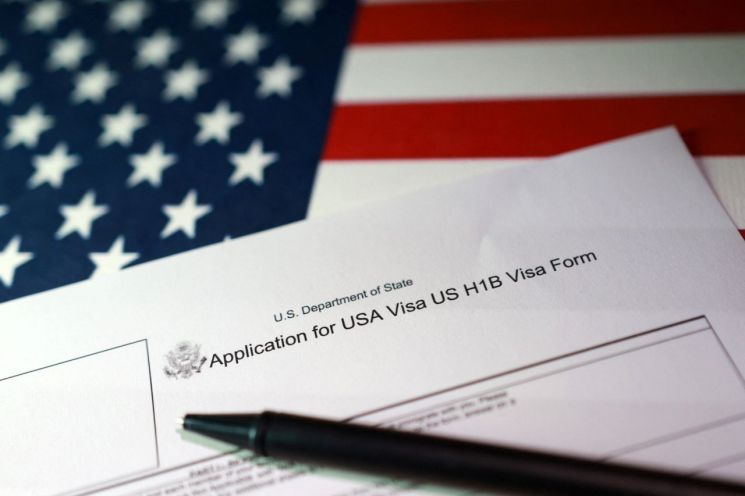
According to Bloomberg and NBC News on September 23 (local time), the U.S. Department of Homeland Security (DHS) announced this H-1B visa reform plan.
Authorities stated that if the number of visa applications in a given year exceeds the quota, salaries will be divided into four tiers. Applicants in the highest wage tier will receive four chances in the lottery, while those in the lowest wage tier will receive only one chance. Currently, the lottery is conducted randomly.
The Department of Homeland Security explained, "This will encourage employers to offer high-wage, highly skilled positions to H-1B workers, while discouraging the use of H-1B visas to fill low-wage, low-skilled positions."
The H-1B visa applies to specialized occupations in the fields of science, technology, engineering, and mathematics (STEM). The number of visas issued annually through the lottery is capped at 85,000, but this cap has been exceeded every year.
If this system is implemented, high-wage employees at large companies, such as developers at major tech firms, will find it easier to obtain visas. The H-1B program was originally created to attract highly skilled talent, but there has been criticism, especially among President Trump's supporters, that staffing agencies have abused the system by hiring large numbers of workers from countries like India and China at low wages without special skills, putting American workers at a disadvantage in the job market. This reform appears to be an effort to address those concerns.
However, industry insiders are concerned that wage-based visa rules will make it more difficult to hire new graduates from U.S. universities, as companies may increase hiring of experienced workers with higher salaries to improve their chances in the lottery. There is also opposition to using wage levels as an indicator of a worker's skill level.
During his first term, President Trump also proposed dividing wage levels into four tiers to determine H-1B visa eligibility, aiming to prevent low-wage, low-skilled workers from using the H-1B visa. However, President Joe Biden later withdrew this plan.
© The Asia Business Daily(www.asiae.co.kr). All rights reserved.

















