Samsung Medical Center Analyzes Diets During Acute Kidney Injury Recovery
"Low-salt, Low-protein, and Low-fat Diets May Promote Kidney Fibrosis"
A new study has challenged the conventional belief that "low salt equals good health." It points out that excessively restricting salt intake in people with deteriorated kidney function can actually delay recovery and worsen kidney damage.
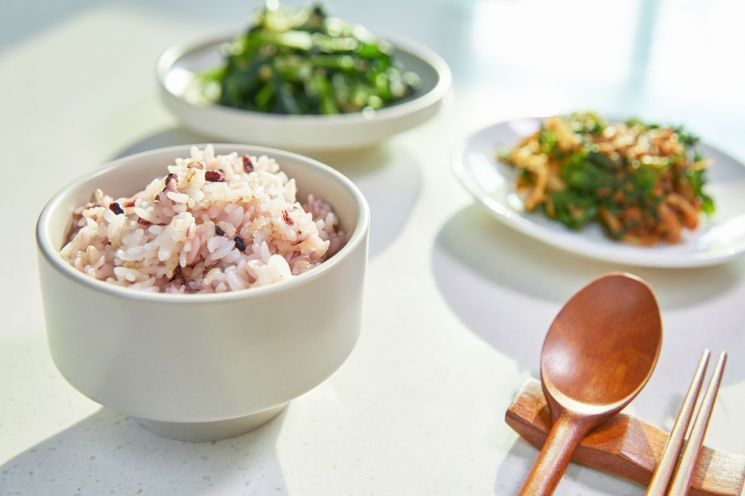 A study has found that excessive salt restriction in people with impaired kidney function can actually hinder kidney recovery. Photo by Getty Images
On September 23, Samsung Medical Center announced that a research team led by Professors Jang Hyeryeon, Jeon Junseok, and Lee Kyungho of the Department of Nephrology recently published a paper in the journal Frontiers in Cell and Developmental Biology on the relationship between dietary control and recovery during the convalescent phase following ischemic acute kidney injury.
The team compared the effects of various diets-including high-salt and low-salt, high-protein and low-protein, and high-fat and low-fat diets-on the recovery process in mice with kidney injury.
Low-salt Diet Triggers Inflammatory Response and Worsens Fibrosis
The analysis found that a sustained low-salt diet, contrary to common belief, promoted inflammatory responses and aggravated kidney fibrosis. Excessive activation of the inflammatory signaling molecule TGF-β created an environment that hindered kidney recovery.
High-salt, high-protein, and high-fat diets also had negative effects. In cell experiments (HK2), exposure to high salt and high protein suppressed the proliferation of kidney cells. The group that consumed a high-salt diet, in particular, experienced severe tubular damage and rapid progression of fibrosis, according to the research team.
Research Team: "Customized Diet Is Needed"
The researchers pointed out that the commonly recommended low-salt, low-protein diet for chronic kidney disease patients could actually be harmful during the recovery phase after acute injury. Professor Jang emphasized, "Dietary therapy is a non-pharmacological treatment strategy that patients can control themselves. It is important to design precise nutritional plans tailored to the kidney condition during recovery." Professor Jeon added, "This study will serve as scientific evidence for establishing customized dietary guidelines."
Since this research was conducted on patients with acute kidney injury, a low-salt diet is still recommended for the general population. The World Health Organization (WHO) recommends a daily sodium intake of 2,000 mg (about 5 grams of salt) for adults. It is advisable to avoid foods high in sodium, such as salted and instant foods, as much as possible. Efforts should also be made to limit the frequency of delivery and restaurant meals, which often have uncontrolled salt levels.
When eating soup or stew, it is better to focus on the solid ingredients rather than the broth, and frequent consumption of fruits and vegetables is beneficial. Potassium, which is abundant in plant-based foods, promotes sodium excretion and helps remove waste from the body. On days when you eat salty foods, it is good to consume potassium-rich fruits and milk, and to drink enough water to lower blood sodium concentration.
© The Asia Business Daily(www.asiae.co.kr). All rights reserved.

















