Three Major Ordinances on Guaranteeing Migrant Human Rights
Passed at Gyeonggi Provincial Assembly Plenary Session
For the first time at both the central and local government levels, legislation has been enacted to prohibit discrimination based on skin color and country of origin, support housing, healthcare, and education for refugees, and institutionally guarantee the rights of foreign children without birth registration.
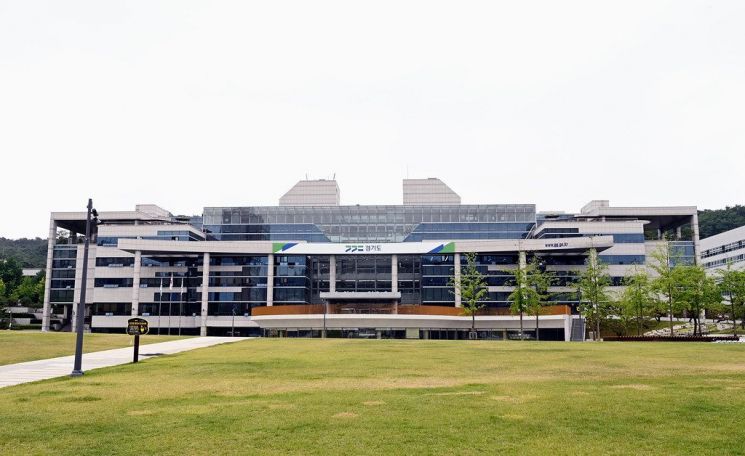
Gyeonggi Province announced on September 22 that during the 386th session of the Provincial Assembly held on September 19, the following ordinances were passed: the "Gyeonggi Province Ordinance on Prohibiting Racial Discrimination and Guaranteeing Human Rights for Residents with Migrant Backgrounds," the "Gyeonggi Province Ordinance on Protecting Refugee Human Rights and Guaranteeing Basic Living," and the "Gyeonggi Province Ordinance on Identifying and Supporting Foreign Children Without Birth Registration."
This legislative initiative is highly significant as it marks the first case nationwide where a local government has institutionally established a foundation for inclusion and human rights in response to the rapidly changing reality of a multicultural and immigrant society.
The "Ordinance on Prohibiting Racial Discrimination and Guaranteeing Human Rights for Residents with Migrant Backgrounds" stipulates measures for the prevention of discrimination, remedies for victims, fact-finding surveys, and promotion and education, ensuring that all migrants are guaranteed equal rights regardless of skin color, country of origin, language, or cultural background. The ordinance also mandates the establishment of a committee and the formulation of a basic plan to ensure the sustainability of the system.
The "Ordinance on Protecting Refugee Human Rights and Guaranteeing Basic Living" establishes the legal basis for supporting various aspects of daily life, including housing, education, healthcare, and employment, for refugees, including asylum seekers and those granted humanitarian stay. It provides for the establishment of a Refugee Policy Advisory Committee and enables the implementation of diverse support programs, such as emergency living expenses, medical and psychological counseling, and employment and entrepreneurship support.
The "Ordinance on Identifying and Supporting Foreign Children Without Birth Registration" institutionalizes procedures for the official identification and issuance of certificates for children born in Korea who have not been registered. Through this, the ordinance aims to guarantee access to basic services such as healthcare, public health, childcare, and education, and to establish a cooperative system with administrative, educational, childcare, and child welfare institutions.
Among these, the two ordinances on prohibiting racial discrimination and on refugees were sponsored by Assemblyman Yoo Hojun (Democratic Party of Korea, Namyangju 6), while the ordinance on foreign children without birth registration was sponsored by Assemblywoman Lee Inae (People Power Party, Goyang 2). The "Private Task Force for Guaranteeing Migrant Human Rights," launched in June, also participated in the process to reflect voices from the field.
Heo Younggil, Director of Immigration Society Policy at Gyeonggi Province, stated, "These ordinances are not just systems, but a social promise for both residents and migrants to coexist without discrimination," adding, "We will swiftly implement follow-up measures to ensure that Gyeonggi Province leads immigration policy."
Gyeonggi Province plans to promptly implement necessary follow-up measures after the promulgation of the ordinances. On October 28, a "Forum on Strengthening the Guarantee of Migrant Human Rights" will be held at the National Assembly Members’ Office Building to share the significance of the ordinances and to seek ways to expand the institutional foundation for migrant policy and social integration nationwide.
© The Asia Business Daily(www.asiae.co.kr). All rights reserved.

















