Necessity Acknowledged, But Concerns Over Side Effects: "Investment Shrinkage"
"Six-Month Wait Is Excessive" "Only Netflix Will Benefit"
Without Guaranteed Screens, Only Investment and Distribution Companies Suffer
Effectiveness in Doubt: "Audience Choice Must Also Be Considered"
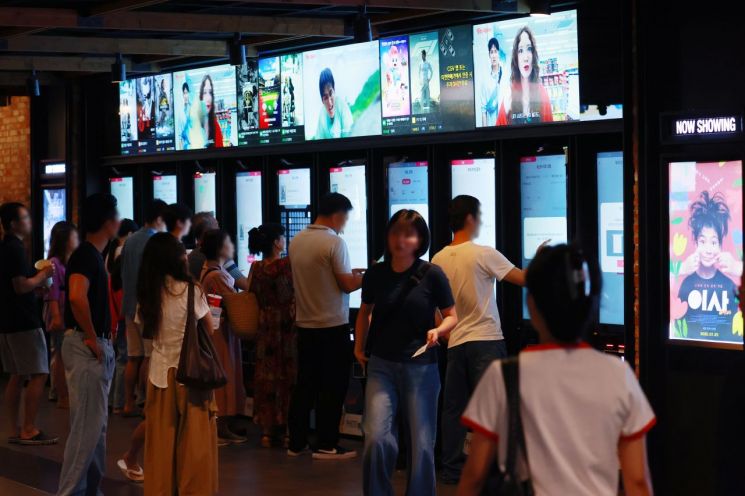
A controversy has arisen within the film industry over the amendment to the "Act on the Promotion of Movies and Videos," which was sponsored by Assemblywoman Lim Ohkyung of the National Assembly's Culture, Sports and Tourism Committee. The amendment includes a hold-back system that would require films to be supplied to online platforms such as OTT and IPTV only after six months have passed since the end of their theatrical run. It also stipulates a fine of up to 50 million won for violations. However, small films, short films, independent films, and art films are exempt from this rule.
The amendment is set against the backdrop of the film industry shrinking due to the overwhelming capital of global OTT platforms. Assemblywoman Lim explained, "Since the COVID-19 pandemic, global OTT platforms have rapidly grown and have been purchasing intellectual property rights and releasing films on internet platforms regardless of their theatrical release schedule, rendering the traditional hold-back system ineffective." In fact, films such as "Hansan: Rising Dragon" and "Emergency Declaration" were released on Coupang Play just one month after their theatrical debut. More recently, "The Deal" was made available on Netflix only 44 days after its release.
It is easy to assume that if theatrical films are released later in the secondary market, their value will decrease and sales will drop. In reality, this is not the case. Distribution official A stated, "A successful film retains its value over time, while an unsuccessful film will struggle to generate revenue even if released immediately." A prime example is "Madame," which was recently released on Netflix. Even though five months had passed since its debut, it was sold at a high price thanks to attracting 3.37 million viewers in theaters.
Investment official B explained, "Box office hits continue to generate steady revenue over time as more secondary market outlets become available." Distribution official C also noted, "The sales price depends on box office performance and negotiation power. Various methods, such as bundling several titles with a hit film, are used to generate additional revenue."
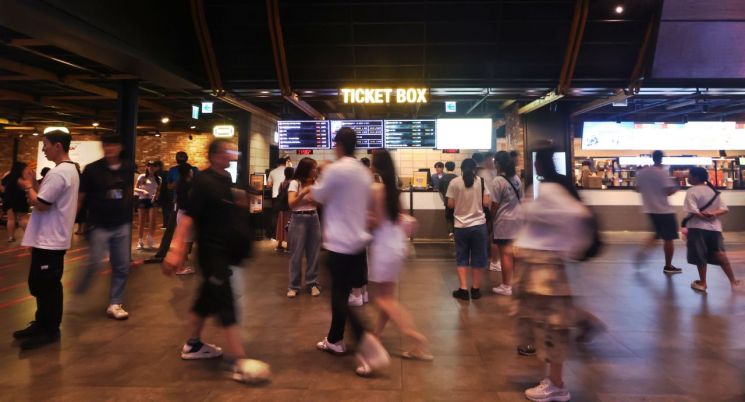
Investment and distribution companies are not necessarily in favor of the amendment. Most argue that the six-month period after the end of theatrical screening is excessive. Official A claimed, "It effectively blocks revenue-generating activities related to the film for half a year," and insisted that additional support or safeguards are needed. Distribution official D criticized, "Six months after the end of theatrical screening actually means seven to ten months after the start of screening. This goes against the rapidly changing content landscape and will further deteriorate the film industry."
According to the "2023 Film Consumer Behavior Survey" published by the Korean Film Council in November last year, the proportion of consumers affected by the hold-back system was not significant. When those who said they watched fewer movies in theaters were asked for their reasons, the most common answers were "There are no movies worth watching (24.8%)" and "Ticket prices have increased relative to quality (24.2%)." In contrast, only 16.6% said, "Because I can watch it through other means if I wait a little after the theatrical release."
Ironically, the amendment could hinder reinvestment by investment and distribution companies, which is needed to overcome the lack of appealing films. This is because it would become difficult to expect investment from IPTV and OTT services. The three major IPTV companies (KT, SK Broadband, and LG Uplus) invested about 300 billion won in films such as "Alienoid" and "The Roundup: No Way Out" starting in 2022. Official D questioned, "With film investment already shrinking, who will take responsibility if even related industry investments are cut off?"
There are also concerns about disruptions in profit distribution and investment cycles. Distribution official E explained, "Typically, 70-80% of profits come from theaters and 20-30% from the secondary market, but a longer hold-back period means final settlements are delayed. Slow investment turnover and delayed production cost recovery place a heavy burden on the investment market." Within companies that operate both theaters and investment/distribution businesses, opinions on the amendment are divided for these reasons.
Excessive hold-back regulations could also infringe on the business rights of OTT platforms. Investment official F warned, "If Tving cannot supply CJ ENM movies and Disney+ cannot supply Disney movies as they do now, their competitiveness will weaken. Ultimately, only Netflix, which avoids theatrical releases, will benefit."
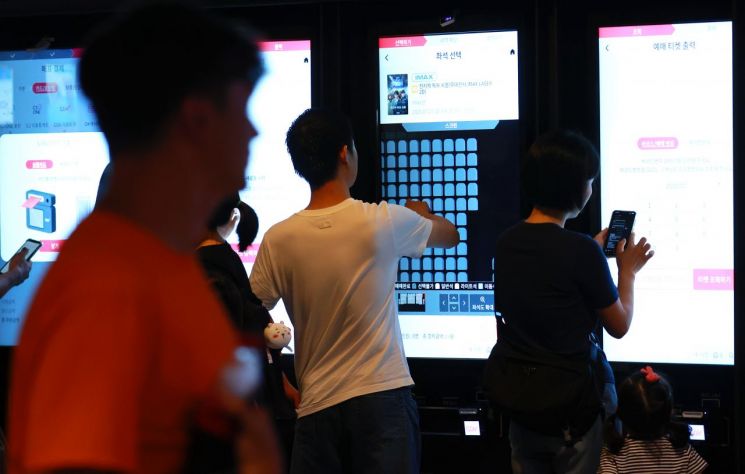
Many investment and distribution companies also raise concerns about fairness with theaters. They unanimously agree that the hold-back period should be adjusted to six months after the start of theatrical screening, with a guarantee of a certain screening period during this time. Distribution official G argued, "If the amendment passes as is, only production companies and investment/distribution companies will bear the losses. Theaters need to lay the groundwork for long-term screenings." Official C added, "For box office hits like 'F1: The Movie,' many viewers still choose to watch in theaters even after the film becomes available on IPTV. The standard should be changed to start from the beginning of the theatrical run, and a certain number of guaranteed screens should be accepted, even conditionally."
If there is no policy approach to balance theaters and the secondary market, the amendment will be difficult to implement effectively. On the contrary, it could create more confusion in the market. Official A expressed regret, saying, "It's unfortunate that the amendment was proposed without even a single public hearing covering the entire industry." Official B stated, "The Culture, Sports and Tourism Committee should not simply rely on the opinions of production companies and theaters, but should listen carefully to voices from all affected sectors. If the goal is the mutual growth of the film and OTT industries, a more detailed and comprehensive review is needed." He added, "This should also include guaranteeing audience choice."
© The Asia Business Daily(www.asiae.co.kr). All rights reserved.



















