Saechulbal Fund Support Extended to Small Business Owners Affected by Martial Law
Grace Period Increased Up to 3 Years
Repayment Period Doubled from 10 to 20 Years
The "Saechulbal Fund," a debt adjustment program for small business owners, will expand its support coverage and strengthen debt restructuring for vulnerable groups. Since the declaration of martial law last year, startup founders have also become eligible for support from the Saechulbal Fund. In addition, the repayment period for unsecured debts held by low-income individuals will be extended to a maximum of 20 years, and the principal reduction rate will be increased to 90%.
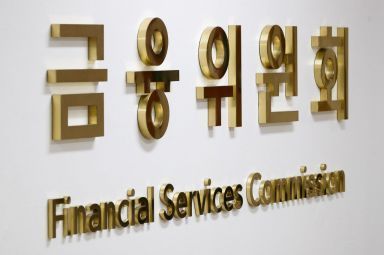
The Financial Services Commission announced on the morning of September 18 that it held a "Saechulbal Fund Agreement Institutions Meeting" and will implement these system improvements starting September 22.
The Saechulbal Fund is a debt adjustment program introduced to help small business owners and self-employed individuals recover from business difficulties following COVID-19. Currently, it provides support to small business owners and self-employed individuals who operated between April 2020 and November 2024, but the eligibility period will be extended to June 2025.
At the same time, support for low-income and socially vulnerable groups will be strengthened. For low-income (60% or less of median income) delinquent borrowers (those with at least one debt overdue for more than three months) with total debt of 100 million won or less, the grace period for unsecured debts will be extended from the current one year to up to three years.
The repayment period will also be extended from a maximum of 10 years to 20 years, and the principal reduction rate will be increased from 80% to 90%.
For socially vulnerable groups such as recipients of basic livelihood security, people with severe disabilities, and those aged 70 and older, the grace period (maximum one year to three years) and repayment period (maximum 10 years to 20 years) will also be extended. For borrowers with delinquencies of 30 days or less, the maximum interest rate applied after debt adjustment will be lowered from the current 9% to between 3.9% and 4.7%.
These expanded benefits for low-income and socially vulnerable groups will also be retroactively applied to borrowers already using the Saechulbal Fund program.
The interest burden for intermediary-type debt adjustment will be eased. Intermediary-type debt adjustment refers to restructuring for borrowers with less than three months of delinquency and secured debts, handled through the Credit Counseling & Recovery Service. During the grace period, instead of paying "pre-adjustment interest," borrowers will now pay "post-adjustment agreed interest."
For "guaranteed claims with early subrogation," to prevent cases where the interest burden increases during the restructuring process, the lower rate between the "initial loan rate" and the "Saechulbal Fund agreed rate" will be applied during debt adjustment.
The debt adjustment procedure will also be expedited. For intermediary-type debt adjustment, if even one of the debts for which Saechulbal Fund adjustment is requested is approved, a debt adjustment agreement will be immediately concluded for all applied debts. The purchase of claims will take place after the agreement, shortening the time required from application to agreement.
Furthermore, if more than 50% of the creditor institutions (based on the amount of claims applied for Saechulbal Fund) agree, "non-consenting claims" will remain with the original creditor institution. This is expected to save Saechulbal Fund resources and reduce the inconvenience to debtors caused by changes in creditor institutions.
The Financial Services Commission stated, "With these system improvements taking effect from September 22, we expect to help small business owners and self-employed individuals struggling with delinquencies to recover, and to accelerate the agreement process. For more details, please refer to the Saechulbal Fund website."
© The Asia Business Daily(www.asiae.co.kr). All rights reserved.


















