Warning of Infection Risks from Freshwater Fish and Wild Greens
Health Promotion Association Strengthens Surveillance to Prevent Spread
Experts are urging heightened caution to prevent parasitic infections after a rare case was recently confirmed in South Korea. This case, discovered during a routine endoscopic health check, marks the first report of this rare fluke infection in the country in a decade.
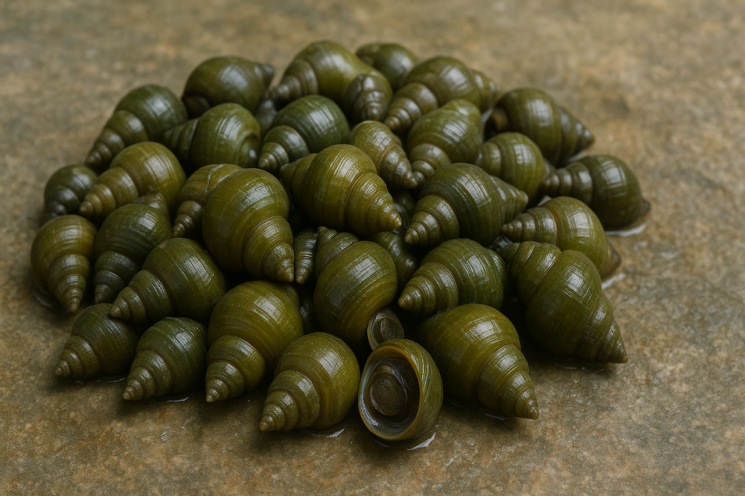
The Medichek Research Institute of the Korea Association of Health Promotion announced on the 11th that four adult parasites were found during a colonoscopy in a woman in her 60s. The patient, who had long suffered from indigestion, constipation, and intermittent diarrhea, visited an internal medicine clinic, where flukes were detected in the terminal ileum and colon during the examination.
Genetic analysis and morphological review identified the parasite as Echinostoma cinetorchis, a species rarely reported in South Korea, with the last known domestic case occurring in 2014.
Notably, while most flukes typically inhabit the small intestine, adult flukes were also detected in the colon in this case. This finding was published in the August issue of Emerging Infectious Diseases, a journal of the U.S. Centers for Disease Control and Prevention (CDC).
The woman runs a street stall in Pyeongtaek selling river snails and loaches, and it is believed she became infected by consuming undercooked river snails. The research institute warned, "Consuming freshwater fish or shellfish that are either raw or not thoroughly cooked during preparation can be a source of infection."
In fact, the total number of reported parasitic infections in South Korea has steadily declined from 3,296 cases in 2014 to 551 cases last year. However, due to lifestyle changes such as increased overseas travel, the rise of dining out, and the growing number of pets, various rare infections are now occurring sporadically.
Other recent cases include a YouTuber who was diagnosed with schistosomiasis after swimming in Malawi, Africa, and a Mongolian patient found to be infected with pinworms in a colonic granuloma, indicating that infections are now emerging through previously uncommon routes.
Experts warn that vulnerable groups such as the elderly, people with disabilities, and those with chronic illnesses-who often have limited access to accurate information-are at higher risk of exposure to false health information about parasites circulating online, which increases their risk of infection.
The Korea Association of Health Promotion identifies parasites found during endoscopies at its 17 regional health screening centers nationwide, maintaining a surveillance system for major species including roundworms, whipworms, and Anisakis. The association also analyzes suspected cases referred by general and university hospitals to improve diagnostic accuracy and collaborates with the Korea Disease Control and Prevention Agency on infection status surveys and policy development.
A representative from the Medichek Research Institute emphasized, "Wild greens collected outdoors, vegetables grown in home gardens, and freshwater ingredients that are not thoroughly cooked all carry a risk of parasitic infection. Everyday habits that are easy to overlook can lead to infection, so we recommend avoiding raw foods and undergoing regular health checkups."
© The Asia Business Daily(www.asiae.co.kr). All rights reserved.

















