Taste, Texture, and Safety All at Risk...Foods You Should Not Freeze
Fried Foods, Eggs, Vegetables...Noticeable Changes in Taste After Freezing
Yogurt, Fresh Cream, and Soft Cheeses Are Also Vulnerable
How to Freeze and Thaw Safely
As the number of single-person households and dual-income families increases, freezers have now become an "essential item for daily life." Storing leftover food or ingredients in the freezer allows for long-term preservation and convenient access when needed. However, not all foods survive the freezer unscathed. Once frozen and then thawed, not only taste and texture but also safety can be compromised, so caution is required.
Taste, Texture, and Safety All at Risk...Foods You Should Not Freeze
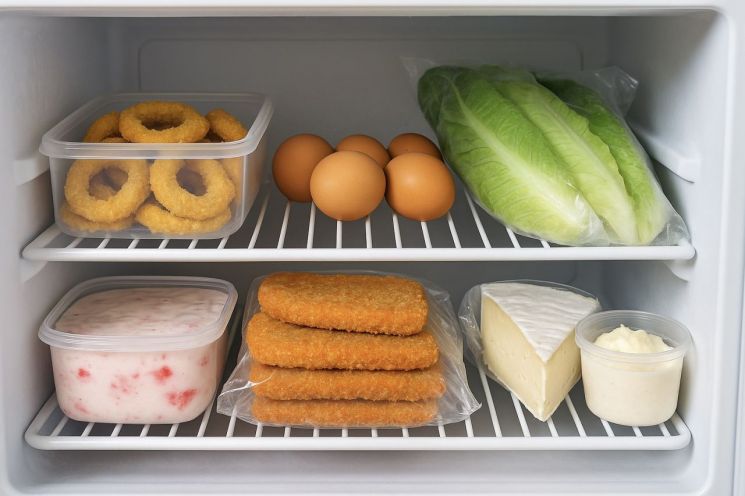
The British consumer media outlet "Which?" recently warned, "Most foods can be stored in the freezer, but some experience significant quality deterioration during the freezing process." In particular, fried foods, boiled eggs, high-moisture vegetables, yogurt, soft cheeses, and fresh cream were cited as representative "foods you should not freeze." This is because tissue destruction and moisture loss make it difficult to maintain their original taste and texture.
Fried Foods, Eggs, Vegetables...Noticeable Changes in Taste After Freezing
Homemade fried foods lose their crispiness completely after being frozen and thawed, as oil and moisture separate. This is because, unlike commercial frozen products, they are not specially coated. Boiled eggs also undergo protein denaturation during freezing, causing the whites to turn rubbery. Experts advise, "Do not store eggs in their shells; instead, use only as much as needed for cooking while they are fresh."
Vegetables with a water content as high as 90%, such as cucumbers and lettuce, have their cell walls destroyed during freezing, resulting in a mushy texture after thawing. While they are unsuitable for salads, they can still be used for cooked dishes such as stir-fries or soups.
Yogurt, Fresh Cream, and Soft Cheeses Are Also Vulnerable
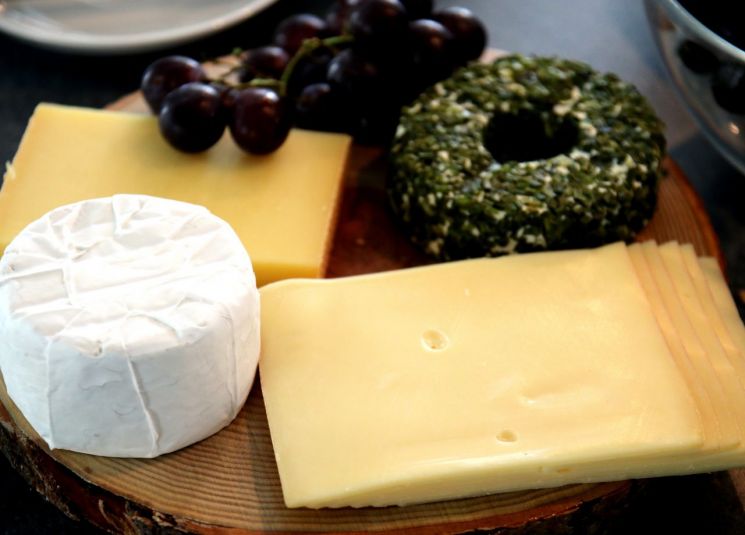
Dairy products are particularly susceptible to freezing. Yogurt and fresh cream separate into fat and water after thawing, resulting in lumps and a loss of creamy texture. While they may not taste good on their own after thawing, they can still be used as cooking ingredients. Soft cheeses like Brie and cream cheese also lose moisture and become crumbly when frozen. In contrast, hard cheeses such as Cheddar and Parmigiano can be stored in the freezer relatively safely.
How to Freeze and Thaw Food Safely
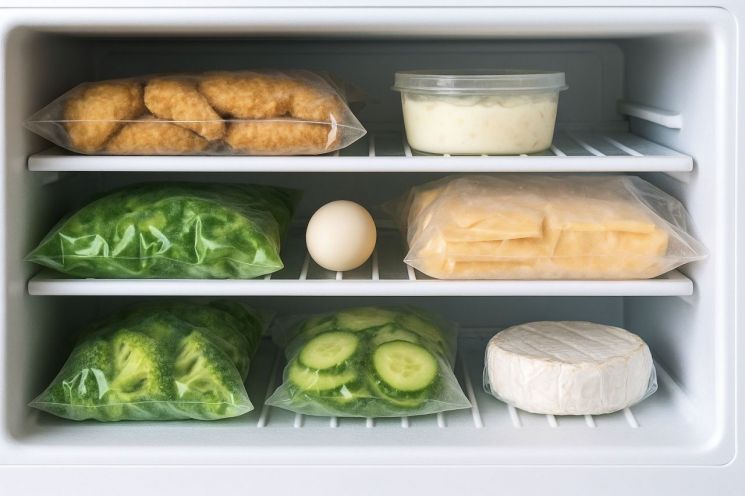
Experts recommend, "Always freeze foods within their expiration date, and when thawing, do so slowly in the refrigerator for safety." They also emphasize, "Always check the product label to confirm whether it is suitable for freezing."
On the other hand, bread, meat, hard cheese, milk, mushrooms, and rice can generally be frozen safely. However, they should be frozen before their expiration date, as freezing after the expiration date increases the risk of food poisoning. For high-risk foods such as milk or chicken, experts advise that the safest way to thaw is slowly in the refrigerator.
© The Asia Business Daily(www.asiae.co.kr). All rights reserved.



















