Special Inspections of Discharge Facilities
and Management of Nonpoint Pollution Sources
to Prevent the Spread of Algal Blooms
Yangsan City in South Gyeongsang Province is implementing a range of measures and mobilizing all available resources to respond to the recent spread of algal blooms in the Nakdong River.
The city is focusing on creating a safe water environment for its residents by intensively managing sources of outdoor compost and water pollutants, strengthening the treatment and discharge water quality management of sewage and wastewater treatment plants, enhancing advanced water purification processes, and expanding algae monitoring efforts.
In particular, to block the causes of algal blooms, the city has intensified inspections and guidance for facilities that discharge water pollutants, such as wastewater and livestock manure discharge facilities. Since August 26, the city has established a special inspection plan and is operating a more robust enforcement system.
The city is also conducting targeted inspections of businesses that discharge treated wastewater directly into rivers. In addition, if any illegal activities are detected, immediate administrative action is being taken as part of strict enforcement activities.
Patrol activities along major rivers have also been strengthened to preemptively block the inflow of algal bloom-causing pollutants, such as illegal discharges and the storage of compost, into waterways.
Related agencies are also pursuing various measures to prevent the spread of algal blooms. The Nakdong River Flood Control Office is working to reduce algal blooms by adjusting dam and estuary barrage discharges and water levels, while the Ministry of Environment (operated by Korea Water Resources Corporation) is physically removing algae using algae removal vessels as part of practical algal bloom reduction efforts.
Furthermore, according to a 2023-2024 Ministry of Environment survey, no algal toxins were detected in the air. To assess the possibility of algal toxins being detected in the human nasal cavity, a "Study on Algal Toxins in the Air and Nasal Cavity" is underway. Through this research, the city plans to identify risk factors in advance and respond proactively based on the results.
An official from Yangsan City stated, "As algal blooms continue to spread, we are mobilizing every possible measure at the city level," adding, "We will do our utmost to monitor water quality and ensure safety so that residents' concerns are minimized."
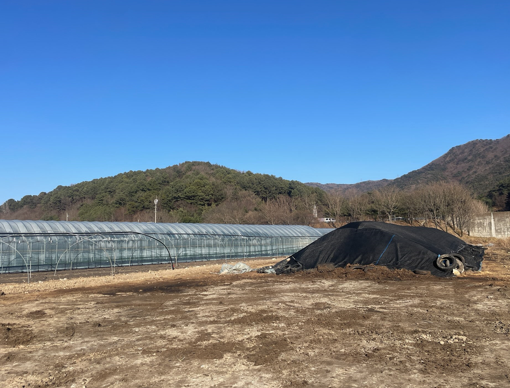 Algae bloom response in the Nakdong River (appearance after outdoor composting). Provided by Yangsan City
© The Asia Business Daily(www.asiae.co.kr). All rights reserved.

















