Trump Administration Submits Statement in Response to Court Ruling on Reciprocal Tariffs
Officials Warn Tariffs Are a Critical Negotiation Tool
Concerns Raised Over Potential Impact on Trade Commitments and Ongoing Agreements
Senior officials from the Donald Trump administration in the United States collectively emphasized to the court the necessity of reciprocal tariffs, describing them as both a "threat and a means of pressure" in trade negotiations with partner countries. They also raised concerns that if reciprocal tariffs were suspended, countries that have already reached trade agreements, such as South Korea and Japan, might not fulfill their commitments.
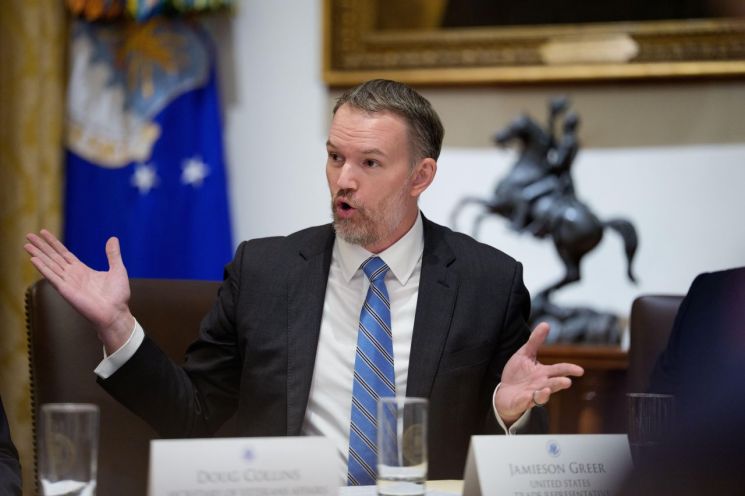
Jamieson Greer, the representative of the United States Trade Representative (USTR), stated in a declaration submitted to the U.S. Court of Appeals for the Federal Circuit in Washington, D.C., on August 29, that "no agreement would have been reached without the credible threat of import restrictions and tariffs," referencing trade deals with various countries. He stressed, "The success of negotiations depends on the immediate possibility of imposing tariffs."
The countries he mentioned include South Korea, the European Union, Japan, Indonesia, the Philippines, Vietnam, and the United Kingdom. Greer added, "Currently, the United States and these trading partners are working quickly to turn these framework agreements into legally binding documents," and noted, "The President will finalize these over the coming months."
In an interview with Fox News the previous day, he also stated that "we are negotiating very closely with our trade partners" even after the court ruling, indicating an intention to proactively block attempts by trading partners to delay negotiations. The arguments presented in his declaration are seen as reflecting these concerns.
The Trump administration submitted this declaration to the court on August 29, the same day the appeals court ruled that imposing reciprocal tariffs under the International Emergency Economic Powers Act (IEEPA) was illegal. The court has suspended the effect of its ruling until October 14, considering the possibility of an appeal by the Trump administration.
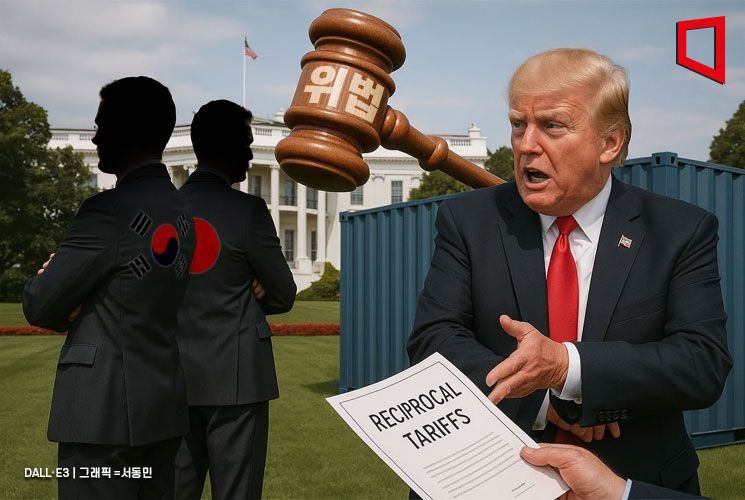
Howard Lutnick, the Secretary of Commerce who leads U.S. trade negotiations, stated in his declaration that suspending tariffs based on the IEEPA "would cause serious and irreparable harm to U.S. foreign and security policy." He pointed out, "This ruling could lead to retaliation and withdrawal from agreements by trading partners and could derail important ongoing negotiations."
Scott Besant, the Secretary of the Treasury, also emphasized, "Tariff pressure is extremely important for the President to bring counterparties to the negotiating table and to respond to attempts to delay negotiations or shift positions through retaliatory tariffs."
Marco Rubio, the Secretary of State in charge of foreign policy, also joined the efforts to defend reciprocal tariffs. He argued that the ruling could negatively impact Ukraine ceasefire negotiations. This appears to reference the case where the United States imposed a 25% "secondary tariff" on India for importing Russian crude oil, citing the IEEPA as the legal basis. However, this measure is largely seen as retaliation for delays in trade negotiations with India, and critics point out that it lacks persuasiveness since China, a major importer of Russian crude oil, was not subjected to the secondary tariff.
© The Asia Business Daily(www.asiae.co.kr). All rights reserved.


















