Dollar Shaken by Concerns Over Fed Independence
Investors Rush to Safe-Haven Gold and Silver
Gold Hits 4-Month High, Silver Surges to $40 for First Time in 14 Years
Gold and silver prices are soaring. As President Donald Trump puts pressure on the U.S. central bank and uncertainty over tariffs expands, investors are flocking to safe-haven assets like gold and silver instead of the dollar. Expectations of interest rate cuts are further fueling this rally.
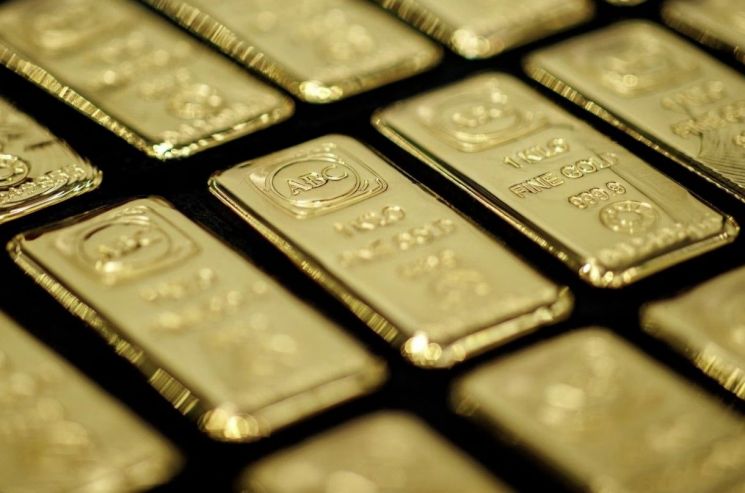
On September 1 (local time), the spot price of gold at the London Bullion Market Association (LBMA) rose 0.9% during trading from the previous session to $3,477 per ounce, marking the highest level in four months. This is close to the all-time high of $3,500.05 recorded on April 22, following a sharp surge in gold prices after President Trump announced reciprocal tariffs. Since the beginning of the year, gold prices have risen a cumulative 34%.
Spot silver climbed 2.6% from the previous day to $40.69 per ounce, reaching its highest level in about 14 years since September 2011.
In contrast, the dollar index, which measures the value of the U.S. dollar against six major currencies, has hit its lowest level since July 28.
This surge in gold and silver prices is a result of President Trump strongly demanding interest rate cuts and increasing pressure on the Federal Reserve (Fed). He publicly urged Fed Chair Jerome Powell to cut rates and escalated his offensive within the Fed by dismissing Fed Governor Lisa Cook over alleged mortgage fraud.
As a result, concerns over the erosion of central bank independence have grown, weakening confidence in the U.S. economy. This has led to increased anxiety about investing in dollar-denominated assets and driven demand for gold and silver investments.
Christine Lagarde, President of the European Central Bank (ECB), commented on President Trump’s interference with the Fed, saying, "I am deeply concerned about the stability of the U.S. economy and, consequently, the impact that the world's largest economy will have on the global stage."
Helen Amos, a commodities analyst at BMO, analyzed, "The market is concerned not only about the Fed but about the overall soundness of U.S. institutions. This is stimulating demand for safe-haven assets, which is naturally having a positive effect on gold prices."
In addition, Chair Powell’s remarks at last month’s Jackson Hole Symposium, where he mentioned the possibility of worsening employment and hinted at potential rate cuts, have further fueled the rise in gold prices. If the August employment report, set to be released on September 5, confirms a slowdown in the labor market, expectations for a rate cut are likely to grow even stronger. Since gold and silver do not generate interest income, their investment appeal tends to increase as interest rates fall.
Moreover, gold and silver have traditionally served as safe havens during periods of heightened uncertainty. Recent geopolitical tensions, such as the stalled ceasefire negotiations between Russia and Ukraine, as well as concerns about slower U.S. growth due to tariff uncertainty, have also contributed to the rise in gold prices. The appellate court ruling that President Trump’s reciprocal tariffs are illegal is further fueling the preference for safe-haven assets amid prolonged economic uncertainty.
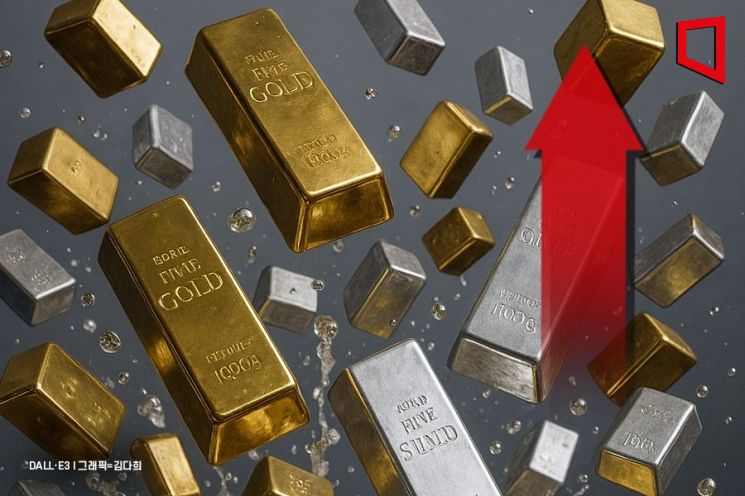
Ole Hansen, Head of Commodity Strategy at Saxo Bank, stated, "Gold, and especially silver, have continued their strong performance since last Friday (August 29). This is due to a combination of persistent U.S. inflation, deteriorating consumer sentiment, expectations of interest rate cuts, and concerns about the independence of the Federal Reserve."
© The Asia Business Daily(www.asiae.co.kr). All rights reserved.
![Clutching a Stolen Dior Bag, Saying "I Hate Being Poor but Real"... The Grotesque Con of a "Human Knockoff" [Slate]](https://cwcontent.asiae.co.kr/asiaresize/183/2026021902243444107_1771435474.jpg)

















