Direct Impact on Samsung and SK Hynix's Chinese Plants
Emerging as a Key Variable in the Global Supply Chain
120-Day Grace Period Granted
"Close Coordination with U.S. Government for Supply Chain Stability"
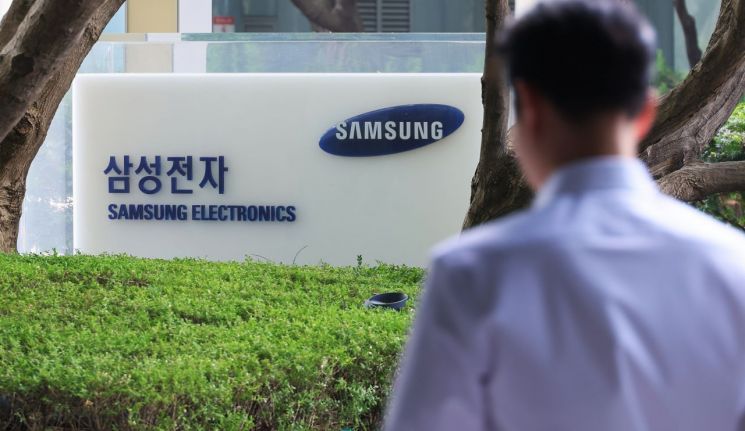
Regarding the U.S. Department of Commerce's withdrawal of the VEU (Validated End User) status previously granted to the Chinese subsidiaries of Samsung Electronics and SK Hynix, the South Korean government stated, "We will closely coordinate with the United States to minimize the impact on our companies."
On the 29th, the Ministry of Trade, Industry and Energy explained, "We will actively discuss with the U.S. government ways to reduce the burden on our companies from the perspective of stabilizing the global supply chain."
The VEU system is a comprehensive approval program that exempts designated overseas facilities from individual export licensing procedures for certain items, such as semiconductor equipment. Thanks to this system, Samsung and SK Hynix have been able to smoothly import U.S.-made equipment into their Chinese factories. With the withdrawal of this status, both companies will now be required to apply for export licenses from the U.S. Department of Commerce on a case-by-case basis for each piece of equipment they wish to bring in. Companies subject to the VEU status withdrawal have been granted a 120-day grace period.
Within the industry, the withdrawal of VEU status is widely seen as a de facto tightening of export controls. Foreign media have also analyzed that this move will restrict the investment of Korean semiconductor companies in China and demonstrates the United States' determination to control the semiconductor supply chain. Some outlets have expressed concern that the withdrawal could serve as direct pressure on Samsung and SK Hynix, leading to administrative delays and increased costs during the equipment import process.
The government has stated its intention to develop countermeasures, considering the potential impact of this measure on the production activities of Korean semiconductor companies in China and the stability of the global supply chain. In previous discussions with the United States, the South Korean government has emphasized that "the smooth operation of our companies' Chinese facilities is essential for global supply chain stability." The plan is to continue consultations with U.S. authorities during the 120-day grace period to seek practical ways to alleviate the burden on companies.
The withdrawal of VEU status is expected to pose a risk not only for the two companies but also for the global semiconductor supply chain as a whole. Analysts believe that the outcome of U.S.-Korea consultations over the next four months will be a crucial variable, affecting not only the operations of Samsung and SK Hynix's Chinese plants but also the overall strategy of the Korean semiconductor industry.
© The Asia Business Daily(www.asiae.co.kr). All rights reserved.

















