Freshwater Eel Faces Possible International Trade Restrictions
Final Decision to Be Made at November Conference
As freshwater eel, a popular health food in East Asia including Japan, faces a growing possibility of being included in international trade regulations, concerns are rising in Japan, where eel consumption is among the highest in the world.
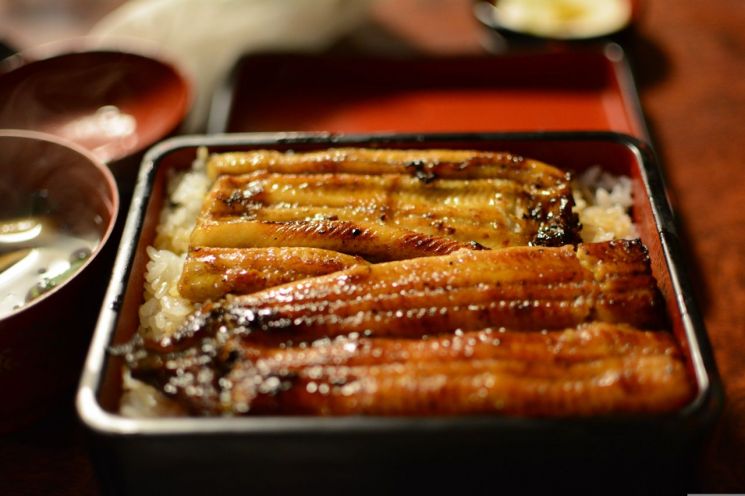
According to the Yomiuri Shimbun and other Japanese media on the 27th, the Secretariat of the Convention on International Trade in Endangered Species of Wild Fauna and Flora (CITES) announced on the 26th a provisional assessment to add 11 aquatic species, including freshwater eel, to the list of species subject to international trade regulation. This provisional assessment will be finalized at the CITES Conference of the Parties to be held in Uzbekistan in November. If more than two-thirds of the member countries agree at the conference, the regulation will be confirmed.
Previously, in June, the European Union proposed including all types of eel, including Japanese eel, in the list of endangered species, in addition to the existing European eel, for the purpose of environmental and resource protection.
The provisional assessment states that all eels, including Japanese eel, meet the criteria for CITES Appendix II. If regulated under Appendix II, countries exporting these species will be required to issue scientific evidence-based permits. This could pose significant restrictions on international trade.
Freshwater eel is a popular ingredient for health foods in Japan, Korea, China, and other regions, with Japan ranking at the top in global eel consumption. Currently, about 70% of eel consumed in Japan is imported from countries such as China, so if the regulation is confirmed, there is a possibility of disruptions in eel supply.
The Yomiuri Shimbun reported, "The Japanese government maintains that the Japanese eel population is sufficiently abundant and that there is no risk of extinction due to international trade." However, the newspaper also conveyed concerns that if the regulation is finalized, it could affect eel imports, leading to potential supply disruptions and price increases in Japan.
© The Asia Business Daily(www.asiae.co.kr). All rights reserved.
![Clutching a Stolen Dior Bag, Saying "I Hate Being Poor but Real"... The Grotesque Con of a "Human Knockoff" [Slate]](https://cwcontent.asiae.co.kr/asiaresize/183/2026021902243444107_1771435474.jpg)











