Nvidia has expressed concerns that it could become embroiled in lawsuits over its agreement to pay the U.S. government 15% of its China sales in exchange for permission to export its H20 artificial intelligence (AI) semiconductors to China. However, the company noted that if the U.S. government’s policy is not enacted into law, it may be able to export to China without paying the fee.
According to Bloomberg News on the 27th (local time), Nvidia stated in a regulatory filing that day, "If the U.S. government requires a percentage of our revenue, we could become involved in litigation, face increased costs, see our competitive position undermined, and provide advantages to competitors not subject to such measures."
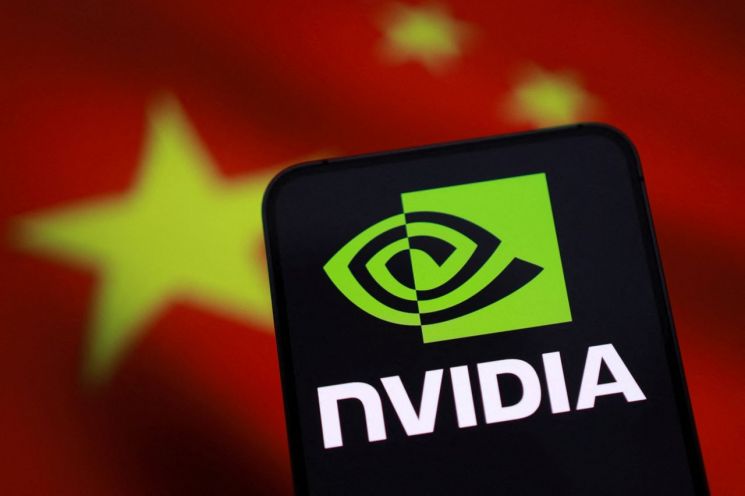
Colette Kress, Nvidia’s Chief Financial Officer, said during a conference call following the earnings announcement that the U.S. government has not yet clarified how it will implement these regulations, and discussions with the government are ongoing.
The Donald Trump administration had banned the sale of Nvidia’s H20 chips to China in April, but earlier this month decided to grant export permits. In return, it reportedly demanded a 15% fee on China sales.
Kress, the CFO, explained that sales to China have been halted due to delays in U.S. government export approvals, but projected that if approval is granted promptly, sales in the third quarter could reach as much as $5 billion. However, she noted that projected China sales are not included in the overall third-quarter revenue outlook.
Kress also told Bloomberg that if the U.S. government’s policy is not made law, Nvidia could proceed with sales to China without paying the fee. She added that she is in ongoing communication with the government, stating, "If no regulation is established, it means we already have the license. There is no need to pay the 15% fee until any regulation is introduced."
© The Asia Business Daily(www.asiae.co.kr). All rights reserved.

















