Wegovy and Mounjaro Drive Economic Growth in the US and Denmark
Grocery Spending Drops by 5-8% as Consumer Habits Shift
Concerns Remain Over the "Health Gap" Due to Limited Insurance Coverage
The world is paying close attention to GLP-1 class obesity treatments, often referred to as "game changers." Analysts note that their impact extends beyond simple weight loss, influencing the broader economy and society as a whole.
 A notice saying "Belly Fat Medicine In Stock" is posted at a pharmacy in Jongno-gu, Seoul. Photo by Kang Jinhyung aymsdream@
According to industry sources on August 28, glucagon-like peptide-1 (GLP-1) receptor agonists-widely known under brand names such as Wegovy and Zepbound-are drugs that mimic naturally occurring hormones to suppress appetite and regulate blood sugar, and are used to treat type 2 diabetes and obesity. Obesity is a significant risk factor that contributes to a considerable portion of major causes of death, and the influence of these new drugs has now expanded into new industrial sectors.
In the United States and Denmark, where obesity treatments have been commercialized, these drugs have become a pillar of economic growth. According to estimates from the medical journal Jama Health Forum, if Medicare in the U.S. were to cover GLP-1 therapies, net spending on retiree health improvement programs alone is projected to increase by $47.7 billion (about 66.1694 trillion won) over the next decade.
In Denmark, the market capitalization of Novo Nordisk, the manufacturer of Wegovy, surpassed the country’s entire GDP last year, and the weight loss pharmaceutical industry continues to make a significant contribution to the Danish economy. The GLP-1 class is expected to expand its indications beyond simple weight loss to include diabetes, MASH (metabolic-associated steatohepatitis), cardiovascular diseases, and Alzheimer’s disease. This pharmaceutical innovation is being recognized as a new growth engine, leading to job creation and changes in industrial structures.
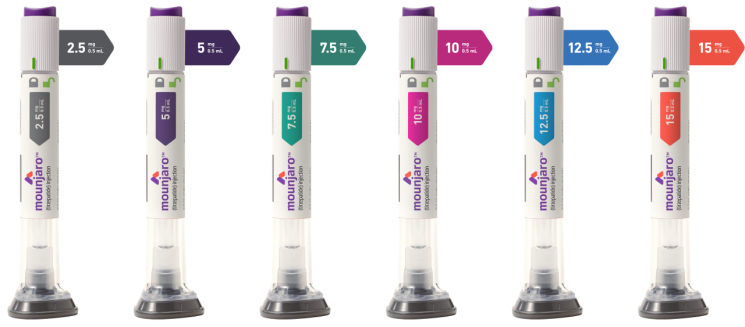
Global pharmaceutical giants such as AstraZeneca and Roche are also racing to enter the GLP-1 market. Experts emphasize that, in the case of obesity treatments, it is not absolutely necessary to be "first in class." Follow-up drugs may reduce side effects and improve efficacy and convenience, so competition actually accelerates pharmaceutical development.
Consumer patterns are also expected to change. According to a Cornell University study, households taking GLP-1 drugs saw their grocery spending decrease by an average of 5.3% within six months, with high-income households reducing spending by as much as 8.2%. In particular, consumption of bakery and snack products plummeted, prompting FMCG (fast-moving consumer goods) companies to rapidly shift toward "high-protein, low-calorie" product lines. Furthermore, reductions in alcohol and gambling addiction have been observed, leading the alcoholic beverage industry to closely monitor these market changes.
However, accessibility remains an issue. The high cost of these drugs and limited insurance coverage in many countries make it virtually impossible for low-income groups to use obesity treatments. Experts point out that "the higher the obesity rate among low-income groups, the lower their access to these drugs, which could exacerbate inequality." There are concerns that a "health gap"-where the wealthy become slimmer while the poor become more obese-could escalate into a broader social problem.

© The Asia Business Daily(www.asiae.co.kr). All rights reserved.



















